By Roy Denish
Joseph Pararajasingham’s assassination remains unresolved more than 20 years after the MP was shot during Christmas Mass in Batticaloa.
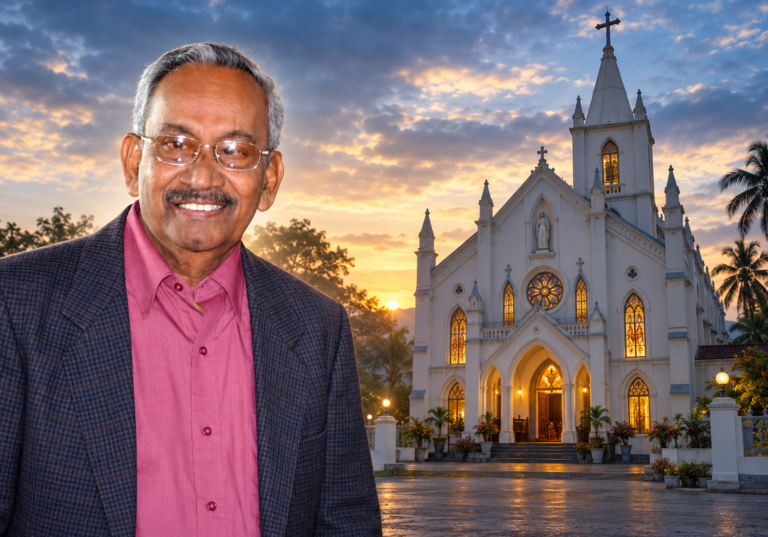
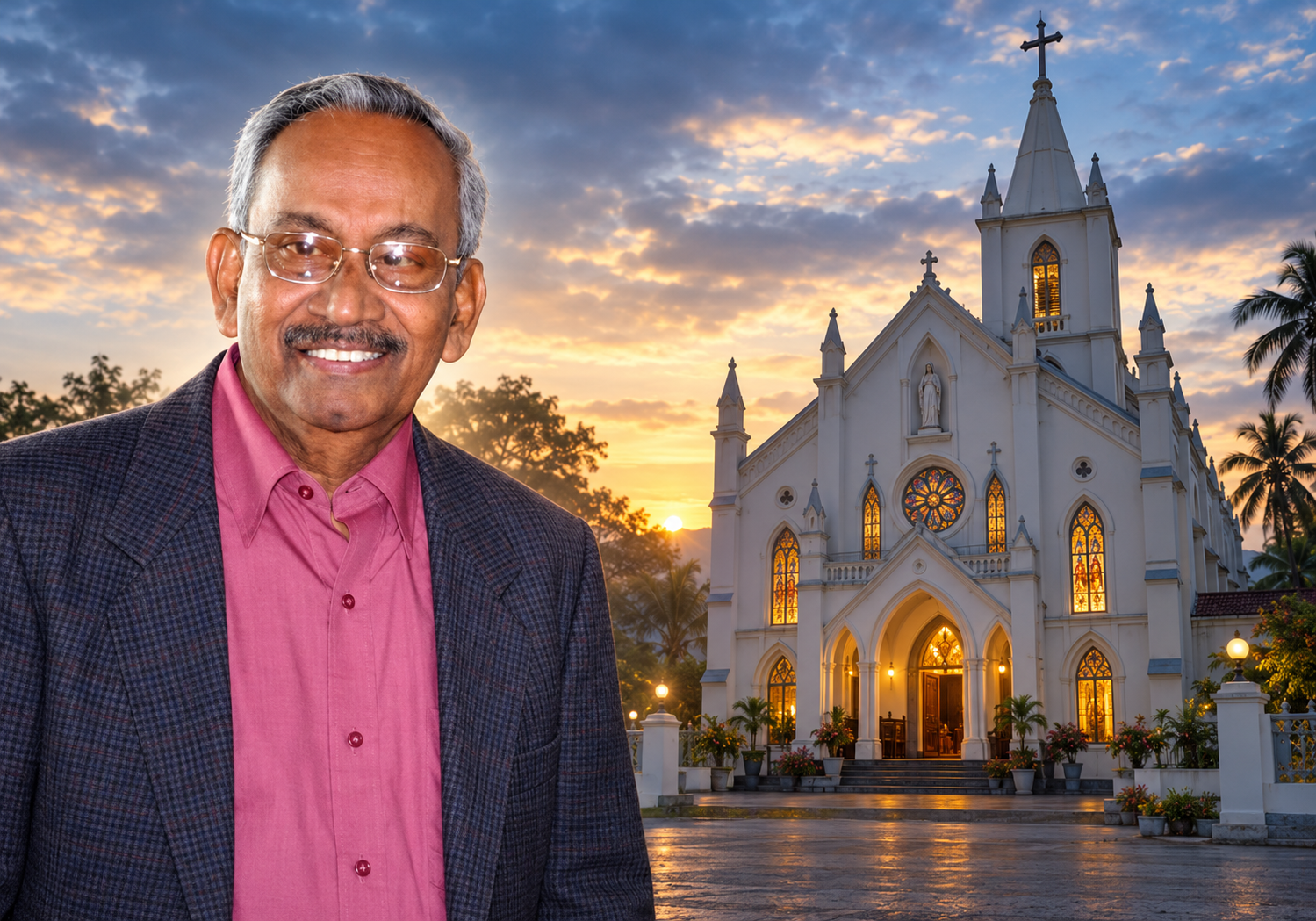
BATTICALOA – More than two decades after veteran journalist and Tamil National Alliance Member of Parliament Joseph Pararajasingham was assassinated during Christmas Mass at St. Mary’s Cathedral in Batticaloa, questions surrounding the killing, its political circumstances and the failure to secure a criminal conviction remain unresolved.
The assassination, carried out in the early hours of 25 December 2005, became one of the most shocking political killings of Sri Lanka’s civil war.
Pararajasingham, aged 71, was attending a religious service when gunmen entered the cathedral and opened fire.

His wife was also wounded in the attack.
The killing sent shockwaves through the Eastern Province, where rival political and armed groups were competing for influence following the division of the Liberation Tigers of Tamil Eelam.
The Political Rupture in the East
The circumstances surrounding the assassination cannot be separated from the political instability that followed the 2004 split within the LTTE.
Vinayagamoorthy Muralitharan, widely known as Karuna Amman, broke away from the organisation’s northern leadership, triggering violent confrontations between rival factions.
Sivanesathurai Chandrakanthan, commonly known as Pillayan, subsequently emerged as a prominent figure within the breakaway political and military movement.
The conflict fundamentally altered the security environment in Batticaloa and neighbouring districts.
Pararajasingham, a prominent Tamil politician and journalist, remained associated with the Tamil National Alliance and was critical of violence affecting civilians.
His public position and political influence placed him within an increasingly dangerous environment.
A Killing Inside a Place of Worship
The decision to attack Pararajasingham during a Christmas religious service demonstrated the vulnerability of political figures and civilians even within places traditionally regarded as sanctuaries.
The assassination occurred in a region marked by extensive military deployments, armed factional activity and heightened security controls.
The ability of the attackers to enter the cathedral and escape prompted questions about how the operation had been planned and whether those responsible received assistance.
However, the precise identity of the perpetrators and any alleged involvement of intelligence or paramilitary organisations have not been conclusively established through a criminal conviction.
Investigations and the Collapse of Prosecution
Following years of controversy surrounding the investigation, Sri Lankan authorities reopened inquiries after the change of government in 2015.
Pillayan and several other suspects were subsequently arrested in connection with the killing.
The case attracted national and international attention because of the political prominence of those implicated and concerns about the use of evidence obtained during detention.
In January 2021, the Attorney General’s Department informed the court that it would not proceed with the prosecution.
The Batticaloa High Court subsequently discharged the accused.
The termination of those proceedings left the central question of responsibility for Pararajasingham’s murder unresolved.
New Legal Developments Involving Pillayan
Although no new prosecution concerning the Pararajasingham assassination has been confirmed, Pillayan has continued to face separate legal proceedings.
On 13 October 2026, Newsfirst reported that Pillayan and two other individuals had been further remanded until 27 October in connection with an investigation involving the killing of five people in Batticaloa.
That case is separate from the Pararajasingham assassination and must not be presented as establishing responsibility for the 2005 murder.
Separately, proceedings concerning a fundamental rights petition filed by Pillayan in connection with his earlier arrest and detention have continued before the Supreme Court.
These developments demonstrate that investigations into alleged wartime crimes and related legal disputes remain active more than a decade after the formal end of the conflict.
Questions of Accountability
The assassination of Joseph Pararajasingham remains significant beyond the death of an individual politician.
It represents a period during which journalists, political representatives and human rights advocates faced extraordinary dangers.
The prolonged inability to secure a conviction has contributed to wider concerns about accountability for politically motivated violence.
Determining responsibility requires admissible evidence capable of withstanding independent judicial scrutiny.
Until that occurs, the events at St. Mary’s Cathedral on Christmas morning in 2005 will remain an unresolved chapter in Sri Lanka’s political history.
Sources
- Inter-Parliamentary Union — Sri Lanka Human Rights Cases, Including Joseph Pararajasingham
- Newsfirst — Pillayan Further Remanded in Multiple Murder Case, 13 October 2026
- Ada Derana — Supreme Court Proceedings Concerning Pillayan’s Fundamental Rights Petition
- Tamil Guardian — Remembering Joseph Pararajasingham 20 Years On