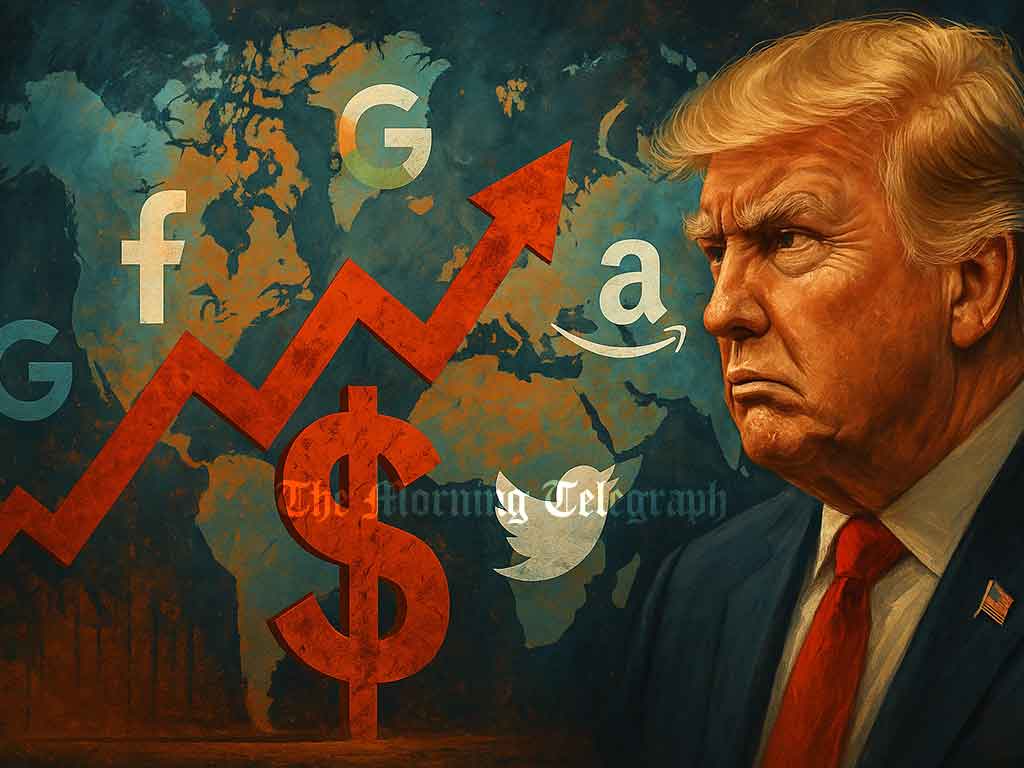
Sri Lanka’s decision to impose an 18% VAT on US digital service providers like Google, Meta, Netflix, and Amazon sparks fears of a fresh trade clash with Donald Trump. The move, timed just after a 30% tariff hike on Sri Lankan exports, risks escalating tensions between Colombo and Washington.
Sri Lanka’s new 18% VAT on digital services provided by foreign tech companies most of which are American giants like Facebook (Meta), Amazon, Netflix, Google, and X (formerly Twitter) is expected to provoke a serious diplomatic backlash from Washington. The tax, set to take effect in October, directly targets US digital revenue in Sri Lanka and comes just weeks after former President Donald Trump slapped a steep 30% tariff on Sri Lankan apparel exports.
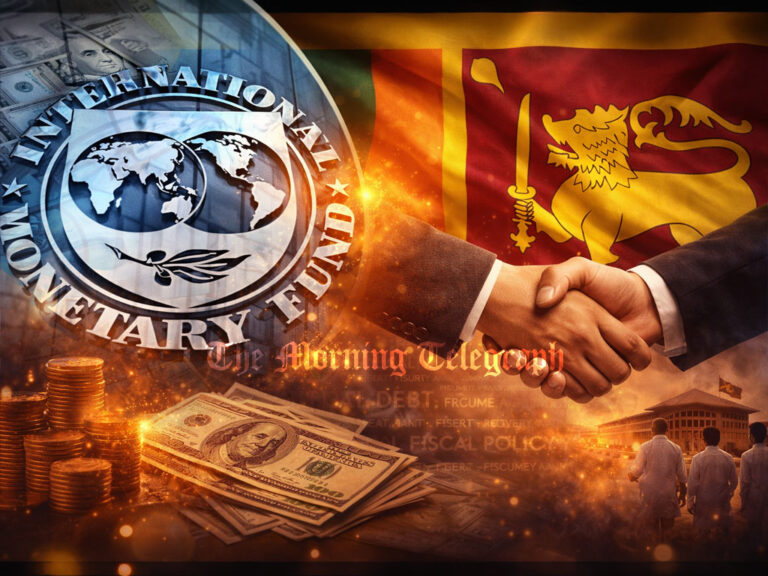
The decision, while aimed at bolstering domestic tax revenues and addressing Sri Lanka’s mounting debt and fiscal deficit, may instead ignite a trade war. Trump, who has long condemned what he calls “digital discrimination” against US tech companies, previously retaliated with trade penalties against countries like France, India, and the UK for similar tax initiatives. Now, with Sri Lanka in his crosshairs over textile trade imbalances, this digital VAT could worsen the situation dramatically.
Sri Lanka’s move is expected to generate approximately $36 million annually in revenue but comes at the risk of losing far more. The 30% tariff already imposed on Sri Lankan apparel by Trump’s administration is predicted to cost the country $582 million per year a staggering loss when compared to the potential VAT gain.
According to Washington-based trade analysts, this tax may be viewed by Trump’s team as another provocation. “The Trump administration made it clear: tax US companies unfairly, and your exports will be taxed in return,” one analyst stated. Sri Lanka is already flagged for its trade imbalance with the US, and this VAT could add fuel to that fire.
Speaking at a recent rally, Trump reaffirmed his hardline approach: “If any country unfairly taxes American companies, they will pay a big price. We will end up being taken advantage of no more.”
Despite the criticism, Sri Lanka’s Finance Ministry defends the tax as part of a broader global shift toward tax fairness, aligning with OECD frameworks already adopted in parts of Europe and Asia. Officials argue that it levels the playing field between domestic and foreign digital service providers and helps stabilize state revenues.
However, the timing just after Trump’s tariff hike makes the digital tax a diplomatic flashpoint. The Sri Lankan government’s hope of balancing fiscal needs with global fairness may now backfire by triggering harsher retaliation.
What Could Happen Next?
- Higher Tariffs: Trump could escalate tariffs beyond the existing 30% on Sri Lankan exports, particularly textiles.
- Service Cuts: Major US tech platforms could reduce services, advertising options, or product availability in Sri Lanka in response to the VAT.
- Bilateral Negotiations: Sri Lanka may be forced into urgent trade talks to avoid escalation and could consider temporary digital tax exemptions or phased rollout plans.
The situation now presents Sri Lanka with a difficult diplomatic balancing act between domestic survival and international fallout.