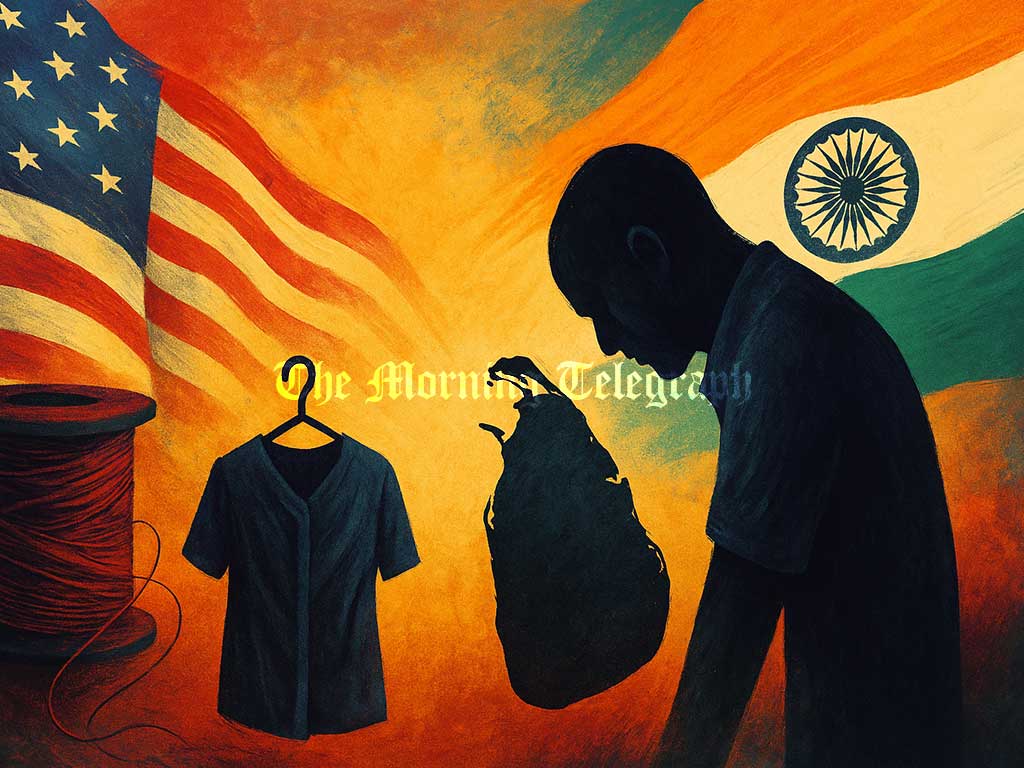
Sri Lanka’s garment industry, which depends heavily on US exports, faces a looming crisis as a US-India trade deal could grant India a lower tariff, undercutting Sri Lankan competitiveness. With a 30% tariff on Sri Lankan apparel set to activate July 1, stakeholders warn of dire consequences unless urgent diplomatic action is taken.
If Sri Lanka fails to secure a reduction in the 30% tariff imposed by the United States under its new “reciprocal duty” framework, the country’s vital apparel industry could face a major crisis. Industry experts warn that American apparel buyers may shift to countries like India or Vietnam, which enjoy lower tariff concessions. The 30% tariff is scheduled to take effect from July 1.
Currently, Vietnam enjoys a 20% tariff rate, and India is expected to receive a rate even lower than that under an anticipated trade agreement with the United States. If that deal materializes, Indian apparel exporters could outcompete Sri Lanka in the US market, presenting the most significant threat to Sri Lanka’s garments sector, according to industry insiders.
Last year, Sri Lanka earned $4.7 billion in garment export revenue, with 40.04% equivalent to $1.9 billion coming from exports to the United States.
During the first five months of this year, Sri Lanka’s apparel exports totaled $2 billion, with $746.53 million attributed to sales in the US. These figures highlight just how dependent the country’s apparel sector is on the American market.
The US remains Sri Lanka’s largest export destination for garments, with the United Kingdom ranking second. In 2023, the US accounted for 40.04% of all apparel exports, while the UK made up 14.17%.
Speaking at a recent press conference, Senior Economic Advisor to the President, Duminda Hulangamuwa, emphasized that the United States is Sri Lanka’s principal apparel buyer a market that cannot be replaced overnight.
The Joint Apparel Forum remains hopeful that the 30% tariff imposed under US President Donald Trump’s reciprocal duty system will be reduced before July 1. However, if negotiations fail, industry leaders warn that Sri Lanka’s apparel sector could face severe setbacks, potentially impacting billions in revenue and thousands of jobs.