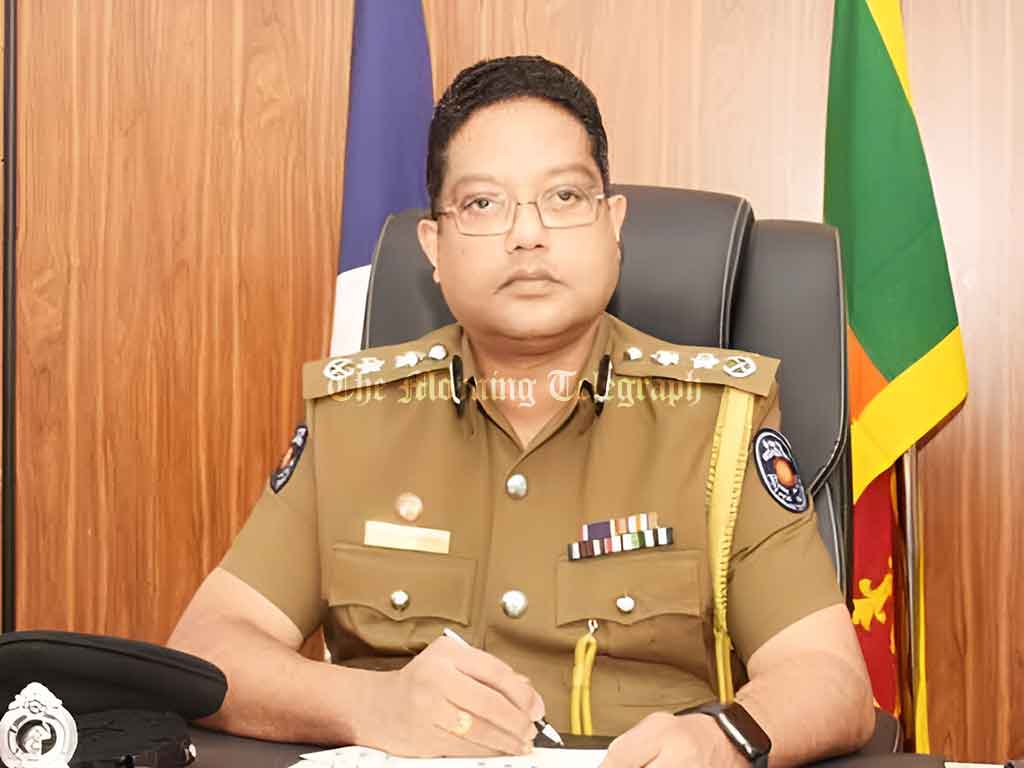
In a stunning reversal, Sri Lanka’s National Police Commission has sacked DIG Nilantha Jayawardena over the 2019 Easter Sunday attacks, despite previously clearing him. Legal experts call out the U-turn, sparking debate over national security, accountability, and political pressure.
In a controversial and dramatic twist, Sri Lanka’s National Police Commission (NPC) has dismissed Senior Deputy Inspector General (DIG) Nilantha Jayawardena from the Sri Lanka Police, citing serious misconduct linked to the 2019 Easter Sunday terror attacks. This sudden decision, made public on July 17, 2025, directly contradicts a previous ruling by the same Commission which had cleared Jayawardena of disciplinary charges raising alarm over procedural integrity, legal coherence, and potential political interference.
Despite the gravity of the dismissal, legal experts have noted a key complication: the Director of the State Intelligence Service (SIS), a role held by Jayawardena, operates outside the direct jurisdiction of the Police Ordinance or Police Regulations in Sri Lanka.
The NPC’s reversal has created significant unrest in legal and administrative circles, with Colombo-based media reporting concerns of duplicity, inconsistency, and compromised institutional credibility.
Previous NPC Decision in 2023
On July 13, 2023, after conducting a preliminary disciplinary inquiry, the NPC concluded there was insufficient evidence to justify disciplinary action against Jayawardena. The Commission cited statements from witnesses, media reports, and other documents which, according to official records, did not meet the standard for formal misconduct. The NPC formally informed both Jayawardena and the Inspector General of Police (IGP) of its decision.
However, this week marked a complete reversal. During a meeting chaired by retired High Court Judge Lalith Ekanayake, the NPC cited new findings from a full disciplinary investigation and terminated Jayawardena’s service with immediate effect. The ruling tribunal found him guilty on all charges listed in Charge Sheet No. PC/EST/DISC/ASP/1/2023, first issued in November 2023.
The charges revolve around Jayawardena’s alleged failure to act on credible intelligence before the 2019 attacks a violation considered punishable under Sri Lanka’s Establishments Code for public officers. The NPC cited Section 24:3:1 of Chapter XLVIII to justify the termination on grounds of serious misconduct.
Legal Grey Area Around SIS Authority
Despite the ruling, senior legal sources from the Attorney General’s Department maintain that the Director of SIS is not subject to the Police Ordinance or its disciplinary procedures. The SIS is an independent civilian intelligence body operating under the Ministry of Defence distinct from the Sri Lanka Police Service though it includes many personnel with military or police backgrounds.
“Officers like Jayawardena may come from police ranks, but once appointed to the SIS, they fall under the Ministry of Defence,” sources emphasized. “Thus, the Director of SIS cannot be prosecuted or held accountable under Police Ordinance or Regulations because the post is outside that institutional framework.”
Public and Expert Reactions
The Commission’s abrupt policy reversal has drawn intense scrutiny from legal analysts and civil society. Some believe the change in position was prompted by behind-the-scenes political influence or a calculated legal maneuver, while others accuse the NPC of undermining public trust by flip-flopping on critical issues of national security accountability.
“First, they said there was no case. A year later, they’ve dismissed the same man for the same charges based on a new report,” a senior Colombo-based legal expert said anonymously. “This isn’t just about Jayawardena anymore it’s about whether the Commission itself can be trusted.”
The case has reopened debate on how Sri Lanka balances national security with legal transparency and whether powerful officials are shielded or scapegoated depending on shifting political winds.