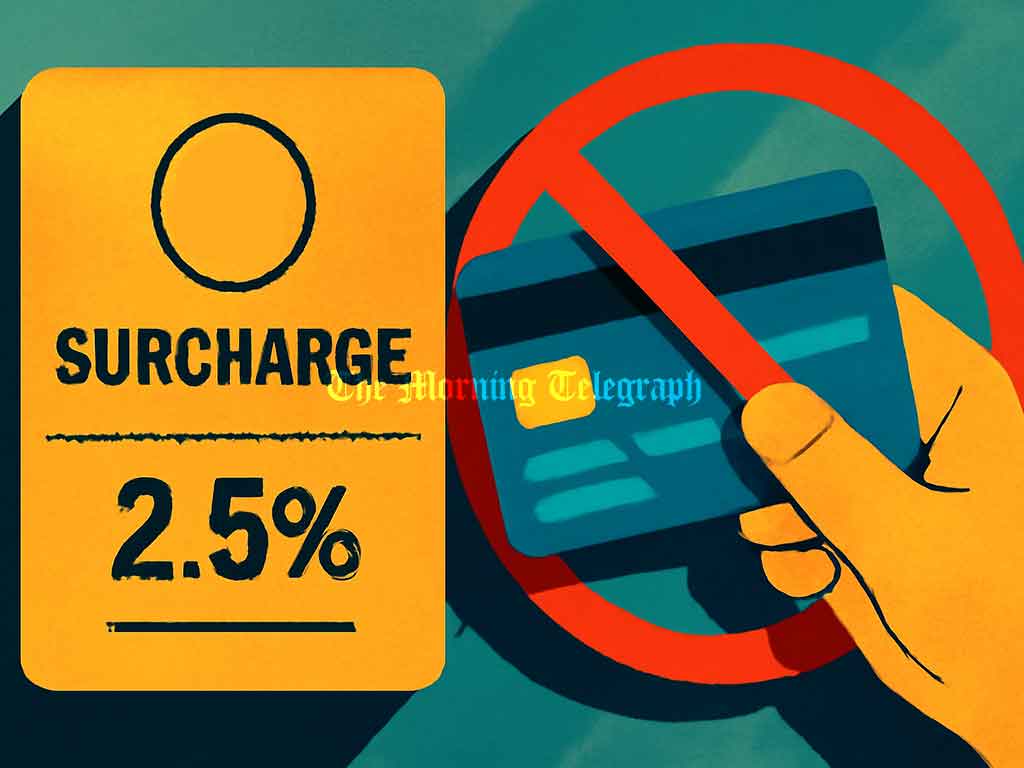
Sri Lanka’s Central Bank clarifies the legal stance on the 2.5% surcharge often added to card payments. Shop owners who impose this fee are violating agreements, and here’s how you can fight back.
Sri Lanka’s Central Bank has clarified the ongoing confusion surrounding the 2.5% surcharge added to card payments. Many shoppers in Sri Lanka have experienced this situation, particularly when purchasing essentials like rice. When paying with a credit or debit card, some shop owners have added this additional fee, taking customers by surprise.
Is Charging a Surcharge on Card Payments Legal?
Many customers, particularly those in busy areas or without easy access to ATMs, often choose to pay the surcharge rather than go through the hassle of withdrawing cash. However, the question remains: Do shop owners have the legal right to charge this 2.5% or even 3% surcharge?
According to Wasantha Alwis, the Director of Payments and Settlements at the Central Bank of Sri Lanka, merchants are not permitted to charge any additional fees for card transactions.
Digital Transactions in Sri Lanka
The Central Bank reports that Sri Lanka has been seeing an average of 1.6 million digital transactions per day. Out of these, 800,000 are made using credit or debit cards, and the other 600,000 are online transactions. However, some shop owners have been charging the surcharge to prevent a reduction in profits, attempting to pass the cost of card processing onto customers.
Wasantha Alwis explained in a press conference that this surcharge is not applied at all shops. In fact, there is a clear agreement between merchants and banks when card payment machines are provided to shops. This agreement explicitly states that merchants cannot charge customers any excess amount. If customers find themselves being overcharged, they are urged to file a complaint with the bank that issued their card.
How to Handle Overcharges
If you find that you have been overcharged due to an additional surcharge, it is crucial to request a receipt that shows the extra charge. With this receipt, you can approach the bank that issued your card and request a refund for the overcharged amount.
The Role of ‘GovPay’
As part of the government’s digital initiative, ‘GovPay’ was launched on February 7. This service is designed to modernize government transactions, ensuring they are efficient, secure, and fully digital. However, despite this effort, many institutions still refuse to accept card payments.
Shoppers Facing Issues with Card Payments
Many consumers, like Nimali Perera, have faced similar issues. When she went to purchase jewelry from a leading store, she was told that a 3% surcharge would apply if she chose to pay by card. After negotiating, the shop reduced the surcharge and called it a discount.
Another example occurred when a vehicle smoke inspection station in Piliyandala refused card payments altogether. In the absence of sufficient cash, the customer was forced to go to an ATM, withdraw money, and pay for the service.
Sri Lanka’s Central Bank has made it clear that additional charges on card payments are not allowed. If you are charged a surcharge, it is essential to demand a receipt and report it to your bank for a refund. Additionally, the government’s ‘GovPay’ initiative aims to improve digital payment methods in Sri Lanka, though challenges remain in getting local businesses on board.