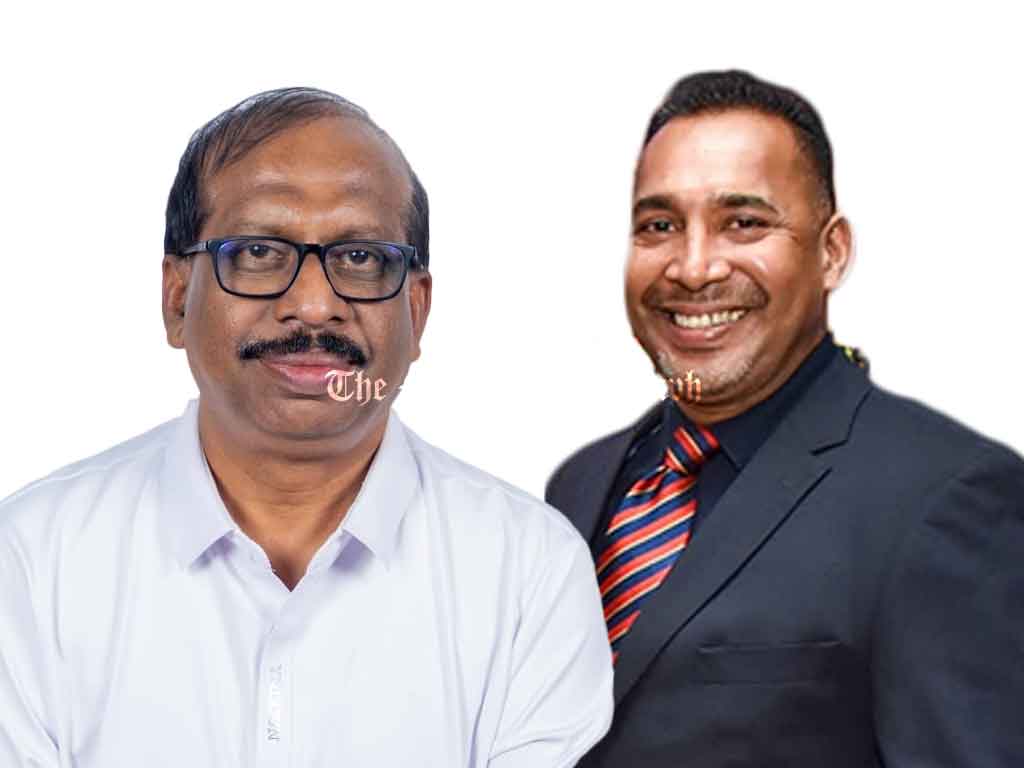
In a scandal that has sent tremors through Sri Lanka’s sporting establishment, Rohan Abeykoon, a controversial figure clinging to power, continues to occupy a seat on the National Sports Council (NSC) illegally in open violation of the country’s sports law.
Abeykoon, a known supplier of sportswear, has been exposed as a registered vendor for Sri Lanka Cricket, having sold over Rs. 2 million worth of T-shirts in previous deals. According to existing sports law, any supplier of sport-related goods is strictly prohibited from holding office in such governing bodies to avoid conflicts of interest. Yet, Abeykoon sits unmoved, unbothered, and unrepentant, thumbing his nose at both the law and public outrage.
Even more alarming is the cozy relationship he enjoys with NSC Chairman Priyantha Ekanayake, with whom he shares a suspiciously aligned agenda. The duo, both with deep rugby ties, attempted to sneak into the Sri Lanka Rugby (SLR) Working Task Force a five-member panel appointed by the Minister of Sports to steer rugby forward. But their plot was embarrassingly short-lived.
Within 24 hours of their appointment, media backlash erupted, pointing out the glaring flaws and conflict of interest. The Minister of Sports had no choice but to yank both men off the panel, replacing them with more reputable figures former SDIG (Rtd) Hafeel Marso and rugby administrator Ravi Wijenathan.
One would think such public disgrace would prompt a dignified exit. But not for Abeykoon.
In a move described by many as tone-deaf and shameless, Abeykoon continues to cling to his NSC seat. Most individuals, if not bound by honor, would have stepped aside at the very least or never accepted the appointment in the first place. But here he remains, undeterred by shame, as if insulated from consequence.
His latest excuse? A self-serving claim that in 2022 he had provided jerseys to Sri Lanka Rugby free of charge, a gesture which was apparently recorded in official minutes. But does this benevolent act grant him immunity from the law? Two wrongs do not make a right, and this flimsy justification has drawn even more ire from sports ethics advocates.
Observers across the sporting community are asking: How long will this charade continue? Has the NSC become a safe haven for conflicted insiders and political cronies? And more importantly, why hasn’t the Ministry of Sports taken action to remove Abeykoon officially?
As public faith in sports governance continues to erode, Rohan Abeykoon’s brazen defiance stands as a symbol of all that is rotten in the system, a man who chooses power over principle, and audacity over accountability.
The clock is ticking for Sports Minister Sunil Kumara Gamage to finally clean up the mess, even if it means owning up to the blunder of appointing Abeykoon in the first place. To delay any further would be nothing short of a betrayal to the integrity of sport itself.