UNP MP Ravi Karunanayake warns that Sri Lanka’s move to scrap SVAT from October 2025 could cripple exports, spark liquidity crises, and damage the country’s fragile economic recovery unless safeguards and tested refund systems are urgently implemented.
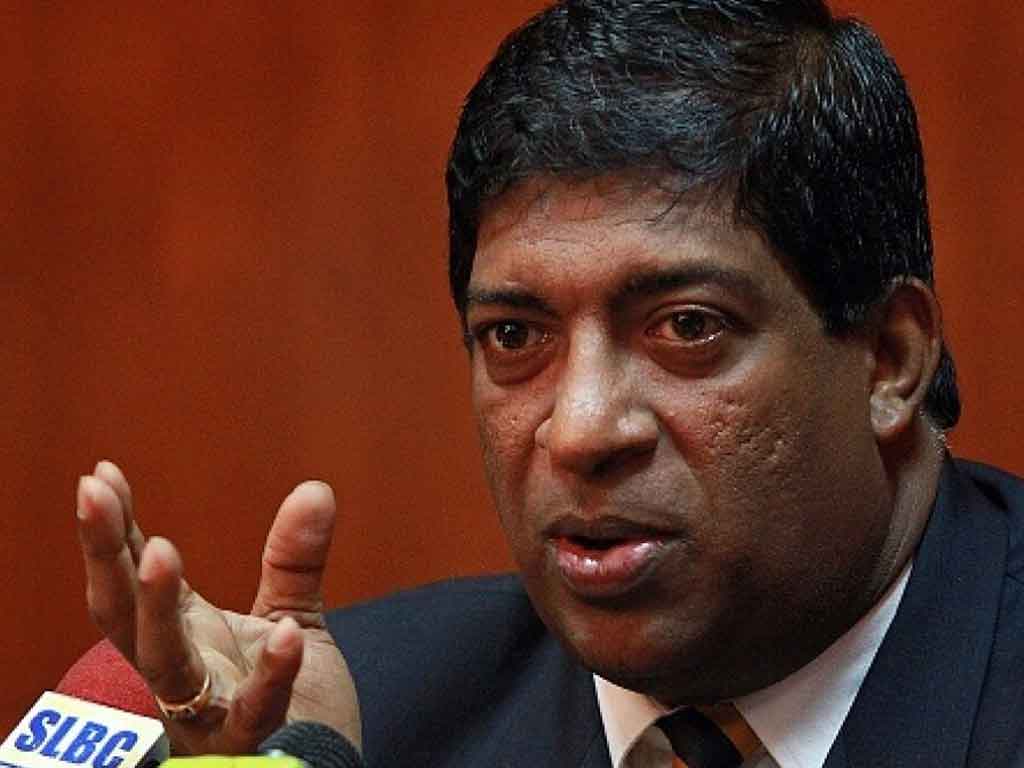
UNP MP Ravi Karunanayake issued a stark warning in Parliament yesterday (23), strongly criticizing the government’s decision to abolish the Simplified VAT (SVAT) scheme starting October 1, 2025, calling it a potentially disastrous move that could destabilize Sri Lanka’s export economy.
Raising serious concerns during the parliamentary session, Karunanayake emphasized that the SVAT system has long been a lifeline for exporters, offering critical cash flow support. He suggested that the decision to dismantle it reportedly influenced by IMF policy reforms was both untimely and economically reckless, given the country’s fragile recovery trajectory.
Karunanayake expressed doubt over the proposed 45-day VAT refund timeline, citing long-standing mistrust in the Inland Revenue Department (IRD) due to repeated delays in tax refunds. He stressed that without a tested and guaranteed refund system, the export sector could face severe liquidity challenges, jeopardizing thousands of businesses and jobs.
In his address, the former Finance Minister further pointed to rising external threats such as new U.S. tariffs, warning that the combined effects of global trade pressures and flawed local policy shifts could cripple Sri Lanka’s export competitiveness and lead to factory closures and job losses.
Karunanayake called upon the current Finance Minister to explain the rationale behind scrapping SVAT and to detail a transition plan, including clear safeguards to ensure refund efficiency. He insisted the government present the IMF’s recommendations in Parliament, along with measures to mitigate the fallout from this decision.
The UNP MP also urged the government to explore interim financial support for exporters, such as working capital facilities or temporary tax relief mechanisms, until a smooth and credible refund process is established.
He concluded with a dire warning: if exporters don’t receive timely VAT refunds, the resulting cash flow shortages will cascade through the entire export supply chain, possibly triggering a systemic economic setback at a time when the country can least afford it.