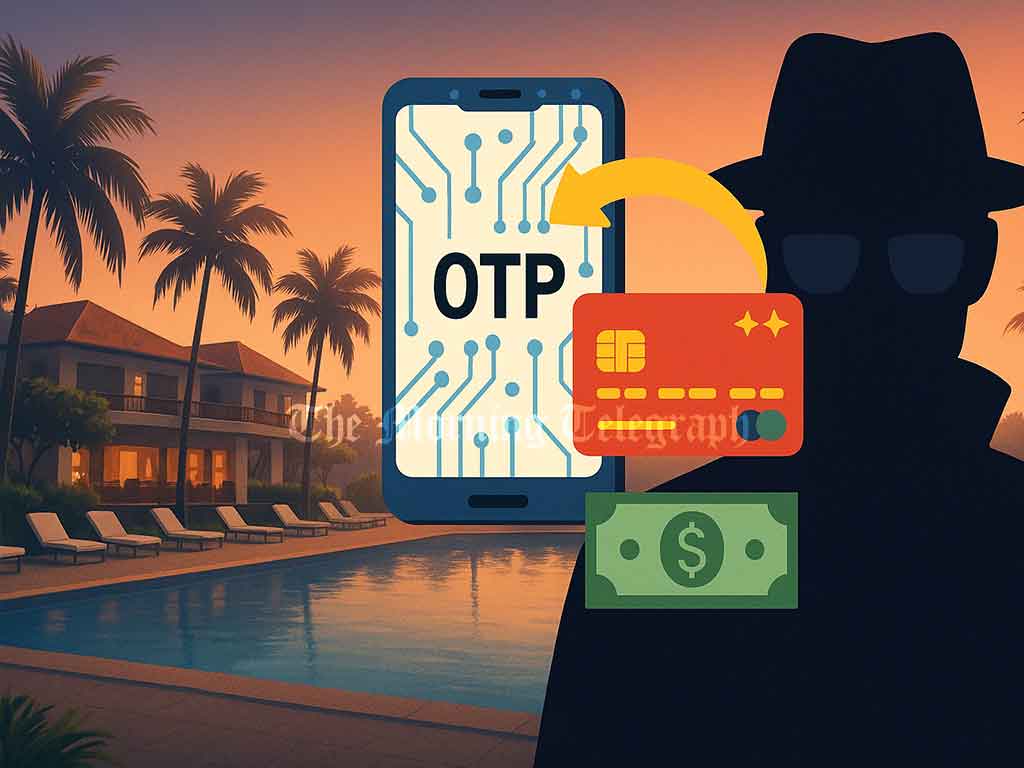
Sri Lanka’s tourist hotels are now prime targets for cunning online fraudsters exploiting booking websites and OTP systems to steal millions. Authorities warn the public to remain vigilant as even romantic scammers and drug traffickers expand their web of deception.
The Illegal Assets Investigation Unit has revealed that tourist hotels in Sri Lanka have become the latest target of organized online fraud rings, especially those using sophisticated banking scams via the internet.
These fraudsters, often posing as tourists on popular hotel booking platforms, contact hotels and claim to have transferred money to their accounts. Investigations show that these scams exploit the one-time OTP codes sent to the mobile numbers registered with the hotels’ bank accounts. Once fraudsters trick someone into providing this OTP, they quickly withdraw large sums sometimes millions of rupees, directly from hotel accounts.
The Online Fraud Investigation Unit of the Illegal Assets Investigation Division confirmed they have received numerous complaints of this nature and issued a strong warning: never share OTP codes received via SMS with any external party, no matter how convincing they sound.
Investigators further stated that many of these criminals, particularly Nigerian nationals, use fluent English and pose as foreign travelers to build trust with hotel staff before emptying their accounts. But the scams don’t stop at hotels.
The fraudsters also target women via fake Facebook and social media profiles. Posing as foreign men promising marriage and overseas relocation, they trick women into revealing their bank information and OTP numbers under the guise of sending them valuable “gifts.” These women often find their accounts drained shortly after.
The Illegal Assets Investigation Division noted that these scams persist due to a lack of awareness and misplaced public trust. Many victims fall prey simply because they don’t realize how convincing and well-coordinated these fraud networks have become.
Additionally, the Division discovered that foreign bank accounts are often used to launder funds gained through these internet scams and drug trafficking. Addicted mules are recruited by local traffickers who offer them drugs in exchange for opening bank accounts using their NICs. These new accounts and debit cards are then used to move illicit funds.
The Online Fraud Investigation Unit emphasizes that many investigations point to the same strategy: using gullible, often drug-dependent individuals to open accounts that become conduits for high-level trafficking and fraud operations.