Minister Nalinda Jayatissa has unveiled a sweeping healthcare reform that shifts the focus from flashy hospital projects to meaningful community health. With 2,000 new Primary Health Care Centers planned across Sri Lanka in three years, the move aims to end decades of politically driven hospital expansion and deliver real care where it’s needed most at the grassroots. This people-first initiative will combat NCDs, mental health issues, and hospital congestion, marking a transformative shift in public healthcare.
A significant transformation in Sri Lanka’s healthcare landscape is underway, as Minister of Health and Mass Media Dr. Nalinda Jayatissa launched a project to establish 2,000 new Primary Health Care Centers across the island. Unlike past efforts driven by political agendas and the need to showcase massive hospitals in electoral districts, this initiative focuses on delivering essential medical services to communities based on population need and accessibility.
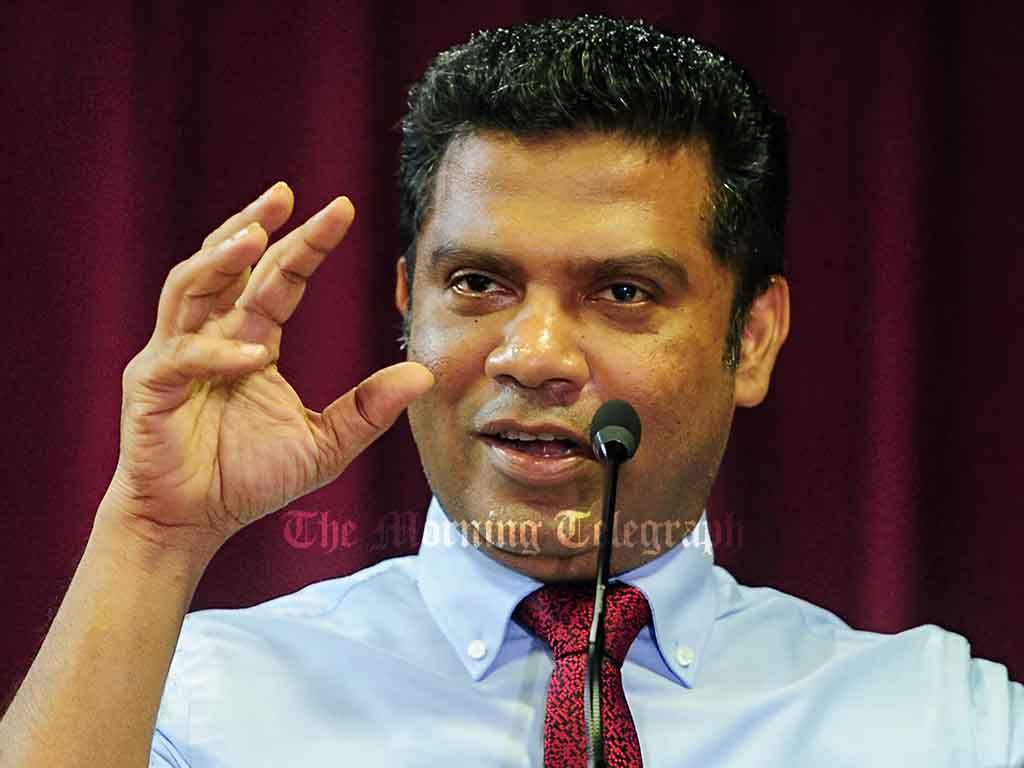
Speaking at a workshop held at the Sri Lanka Foundation Auditorium, Dr. Jayatissa stated that the program aims to place one Primary Health Care Center for every 10,000 people. The project will begin with 100 centers this year and expand to 2,000 within three years. Each center will be staffed with eight professionals and offer a range of services, including care for non-communicable diseases, mental health support, elderly care, palliative care, youth services, oral and eye care, and alcohol rehabilitation.
The Minister criticized past administrations for investing primarily in secondary and tertiary hospitals for political mileage, stating that the future must be built around citizen-focused primary healthcare delivery. He said this shift is necessary to reduce patient congestion in large hospitals and bring healthcare closer to where people live and work.
Jayatissa acknowledged that previous primary care reforms failed due to high population loads and lack of accessibility. In contrast, the new initiative will select familiar and frequented public spaces and obtain funding from the treasury, private donors, and international organizations.
The success of the project, he said, depends more on human resources than physical infrastructure or technology. He added that with Sri Lanka’s aging population and increasing mental health issues and suicide rates, timely intervention through accessible primary care is critical.
The Minister promised improved facilities and transport solutions for public health nursing officers, including motorcycles and allowances by early next year. Over 200 nursing officers attended the workshop, voicing concerns about staffing, salaries, promotions, and training gaps. Dr. Jayatissa assured them their issues would be addressed in a phased manner to ensure higher satisfaction and service quality.