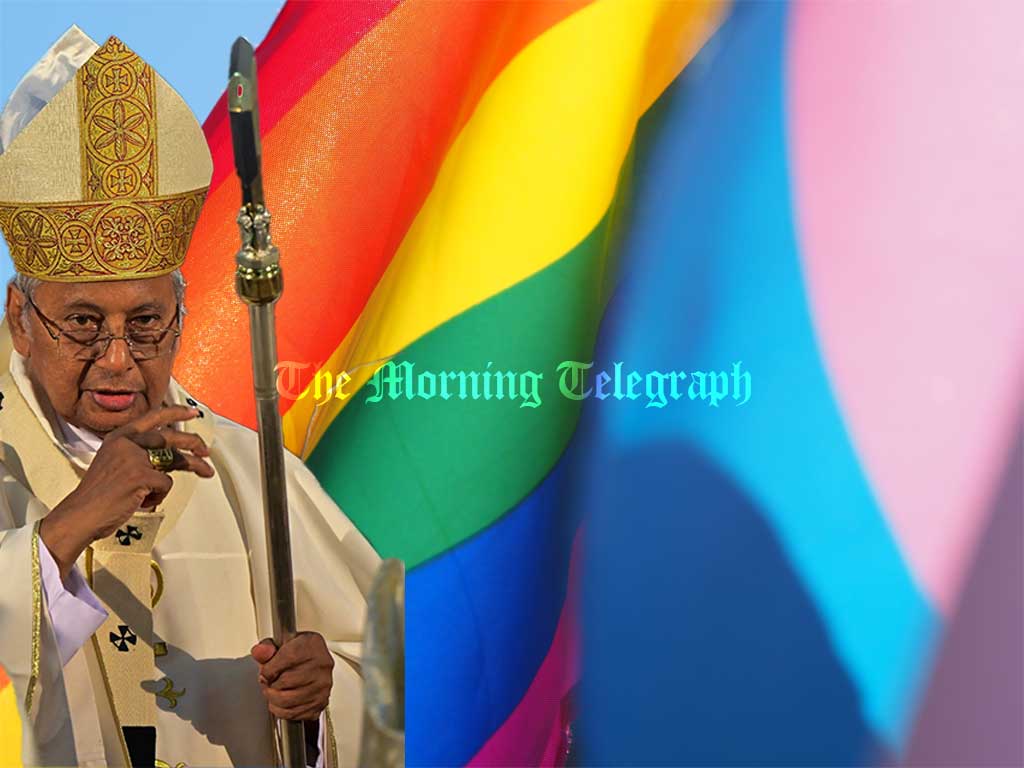
A heated national debate has erupted in Sri Lanka following a controversial statement made by the Archbishop of Colombo, His Eminence Cardinal Malcolm Ranjith, who questioned the legitimacy of same-sex marriage, drawing backlash from LGBTQ+ activists and human rights advocates.
A storm of controversy has erupted in Sri Lanka following remarks by Archbishop of Colombo His Eminence Cardinal Malcolm Ranjith, who publicly questioned same-sex marriage, prompting a wave of backlash from LGBTQ+ rights advocates, civil society organizations, and human rights defenders. His statement, which many labeled as outdated and discriminatory, came shortly after the United Nations High Commissioner for Human Rights, Volker Turk, praised Sri Lanka’s attempts to decriminalize same-sex relations.
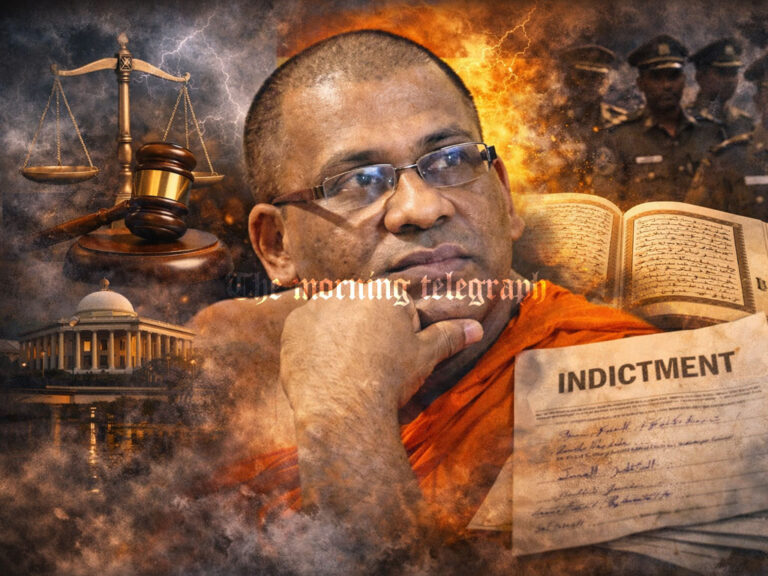
“How can this be a human right? How can two men form a family? How can they have children?” Cardinal Malcolm asked during a religious program held at St. Anne’s Church in Beruwala on July 26. His comments were seen as a direct criticism of same-sex unions and the global movement toward LGBTQ+ equality. He expressed concern that such relationships, accepted in other countries, were being pushed onto Sri Lankan society under the guise of human rights.
The timing of the Cardinal’s comments drew even more scrutiny as they closely followed Volker Turk’s official visit to Sri Lanka, during which the UN High Commissioner expressed his support for the decriminalization of same-sex relations. “I welcome the efforts being made to legalize the bill tabled in the last parliament that decriminalizes same-sex relations,” Turk said, showing alignment with international human rights standards.
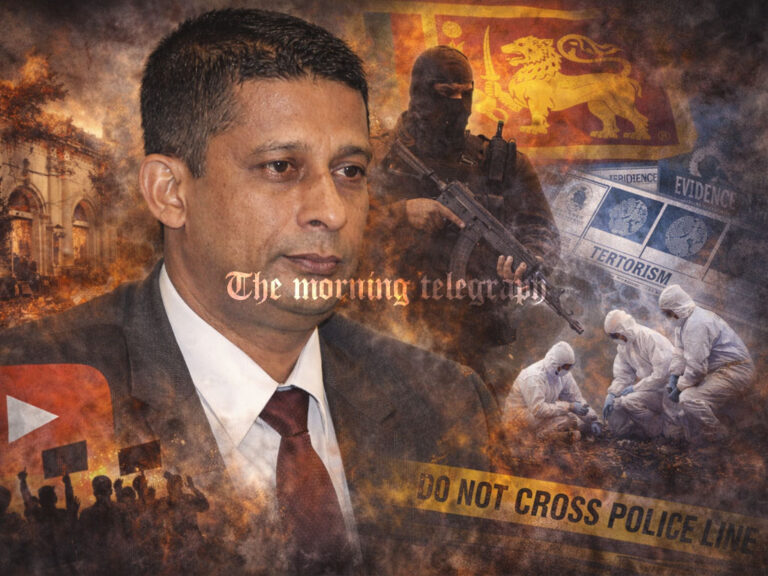
Unsurprisingly, members of the LGBTQ+ community and allies voiced outrage. Dr. Visakesa Chandrasekaram, an academic and human rights advocate, told BBC Sinhala that the Cardinal should apologize. “The Cardinal should mind his own business and not come into our bedrooms,” he said, criticizing religious interference in the personal lives and rights of citizens.
He added, “Before we even think about same-sex marriage, we have more urgent issues. We are still being treated as criminals. Sections 365 and 365A of the Penal Code must be repealed first. The real problem is not gay marriage—it’s criminalization.”
He argued that religious institutions should focus on cleaning up misconduct within their own circles before casting judgment on others. “Sexual abuse happens across religious communities. Be it Catholic, Buddhist, or Islamic institutions, there are reports of abuse, especially involving minors. What are they doing to address that? Why not focus on that instead of dictating our sexual lives?”
Dr. Chandrasekaram strongly condemned the Cardinal’s statement, calling for its retraction and a formal apology to Sri Lanka’s gay community. “We haven’t wronged anyone. We simply ask to live without shame, fear, or discrimination. He should retract that statement and say sorry,” he said.
He also noted that while Pope Francis has taken steps toward greater acceptance, including allowing blessings for same-sex couples, Sri Lanka’s Cardinal remains entrenched in what he called “old-school ideology.”
The broader legal context further complicates the situation. Sections 365 and 365A of the Sri Lankan Penal Code criminalize “sexual intercourse against the order of nature” and are often used to target consensual same-sex relations, punishable by up to ten years in prison. Section 399 criminalizes “concealment of gender identity” and has been weaponized against transgender individuals. Additionally, the Promiscuous Behaviour Act of 1842 is regularly used to harass, detain, or extort individuals who don’t conform to gender norms.
Former MP Premanath C. Dolawatta introduced a private member’s bill to amend the Penal Code and decriminalize same-sex relations. The bill was challenged in the Supreme Court, which later informed Parliament that it did not violate the Constitution. Dr. Chandrasekaram was one of the petitioners involved in the case.
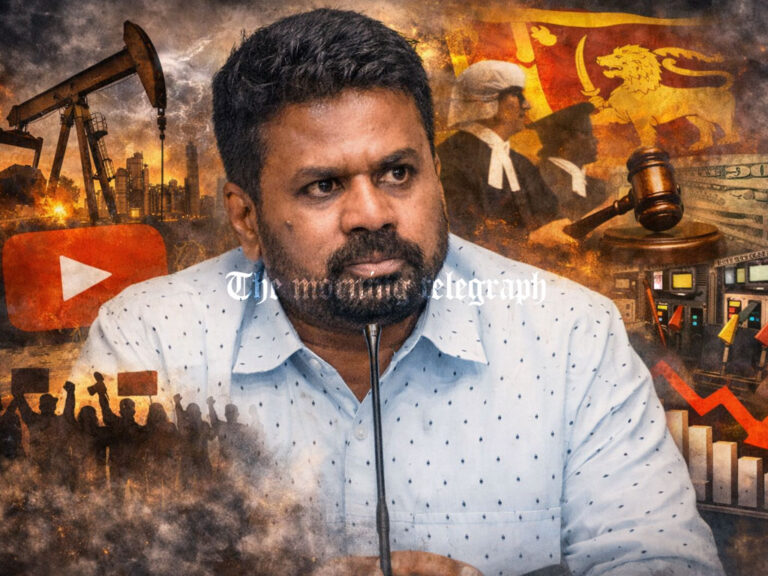
Speaking on broader constitutional rights, President Anura Kumara Dissanayake had previously told BBC Sinhala that “no one should be made a second-class citizen” due to language, religion, or sexual identity. He emphasized the importance of structured societal dialogue and legal protections for marginalized communities.
Meanwhile, Justice Minister Harshana Nanayakkara stated that Cardinal Malcolm Ranjith had the right to express his opinion. “He has every right to say that. I will not respond to his statement,” Nanayakkara told BBC Sinhala. When asked if the government intended to recognize same-sex marriage legally, he said, “There is no discussion at the moment. We have not initiated anything of the sort.”
Still, he emphasized that all human beings, regardless of identity, deserve to be treated with fairness and equality. “We believe marginalized communities, including homosexuals, must be treated fairly on the basis of humanity. That’s our position. But no steps have been taken to legalize same-sex marriage.”
Dr. Chandrasekaram further argued that religious leaders, who wield immense influence over millions, must speak responsibly. “One word from the Cardinal can shape public opinion. He must realize that power comes with responsibility. Words cannot be spit out carelessly. They must be considered, because they shape lives and policies.”
He also reminded the public of his role in another legal battle. “I am a petitioner in a fundamental rights case on the Easter Sunday attacks. Cardinal Unnanse should know that 13 of us filed these petitions, including journalist Kasun Pussewela. Ours called for the Attorney General to prosecute the responsible parties. His didn’t.”
According to Dr. Chandrasekaram, the Cardinal must acknowledge that equality cannot be applied selectively. “He has read the Bible, but he needs to read the Constitution too. You can’t use Article 12 to defend Easter victims and deny it to homosexuals. Equality is not a menu you pick and choose from. It’s either for everyone or for no one.”
His final message was clear: the liberation of LGBTQ+ people in Sri Lanka won’t come from religious permission but from constitutional guarantees. “We’re not asking for blessings. We’re asking for rights. And no one has the authority to decide our worth.”