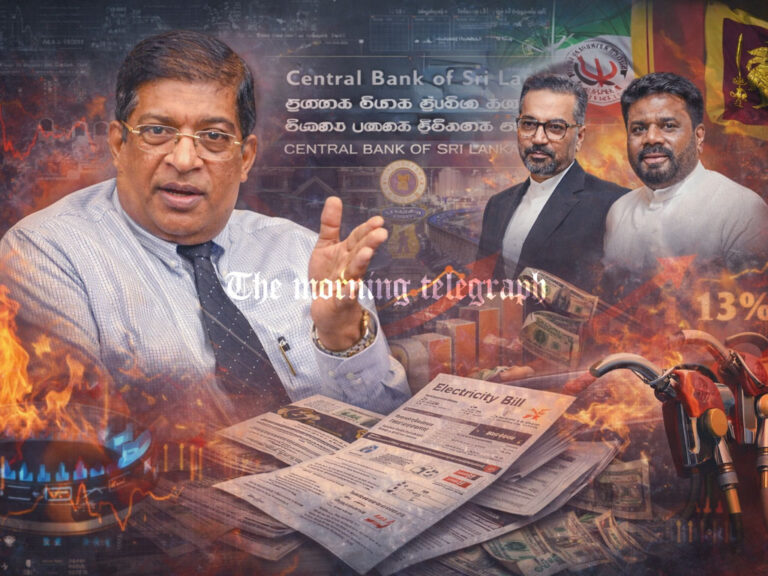
Deputy Minister Chathuranga Abeysinghe delivers a scathing critique of Sri Lanka’s Industry and Entrepreneurship Ministry, admitting that trust is collapsing and policies are failing. He blames a hidden mafia, foreign influence, and systemic inaction for sabotaging national industry growth.
Trust in the Ministry of Industry and Entrepreneurship is eroding day by day, says Sri Lanka’s Deputy Minister of Industry, Chathuranga Abeysinghe.
Speaking at the inauguration ceremony of the Small Business Development Sector Pilot Project, Abeysinghe delivered a brutally honest assessment of the Ministry’s current standing.
“Unfortunately, trust in our Ministry of Industry and Entrepreneurship is eroding day by day. In terms of national policy, we are failing. Whether it is tax policy, investment policy, or even adherence to the rule of law, we are failing miserably,” he admitted.
He noted that while efforts are being made to adjust and reform these economic and industrial policies, they remain entangled within the broader limitations of the country’s economic situation.
Abeysinghe stressed that the issues faced by every industrial sector are being tossed from ministry to ministry without resolution, with countless letters written and little meaningful action taken. He highlighted that a shadowy mafia is actively working to suppress industrial growth in developing countries like Sri Lanka.
“Traders don’t want trade, and they don’t want production. Foreign powers are working to destroy our domestic production capabilities,” he warned.
He called on industrialists and entrepreneurs not to battle the Ministry directly, explaining that the visible political apparatus is only part of the problem. “We are also clashing with a massive invisible force. You can’t take this on by fighting the minister or the ministry alone.”
Abeysinghe proposed the establishment of a national development bank to strengthen the foundation for small and medium-sized enterprises (SMEs) through effective public-private partnerships. He said this would be a key step in preventing state enterprises from becoming long-term burdens on the national economy.
With Sri Lanka’s industrial sector facing unprecedented economic pressure, his remarks offer a rare glimpse into the internal dysfunctions, foreign interference, and bureaucratic failures hindering national economic recovery and SME development.