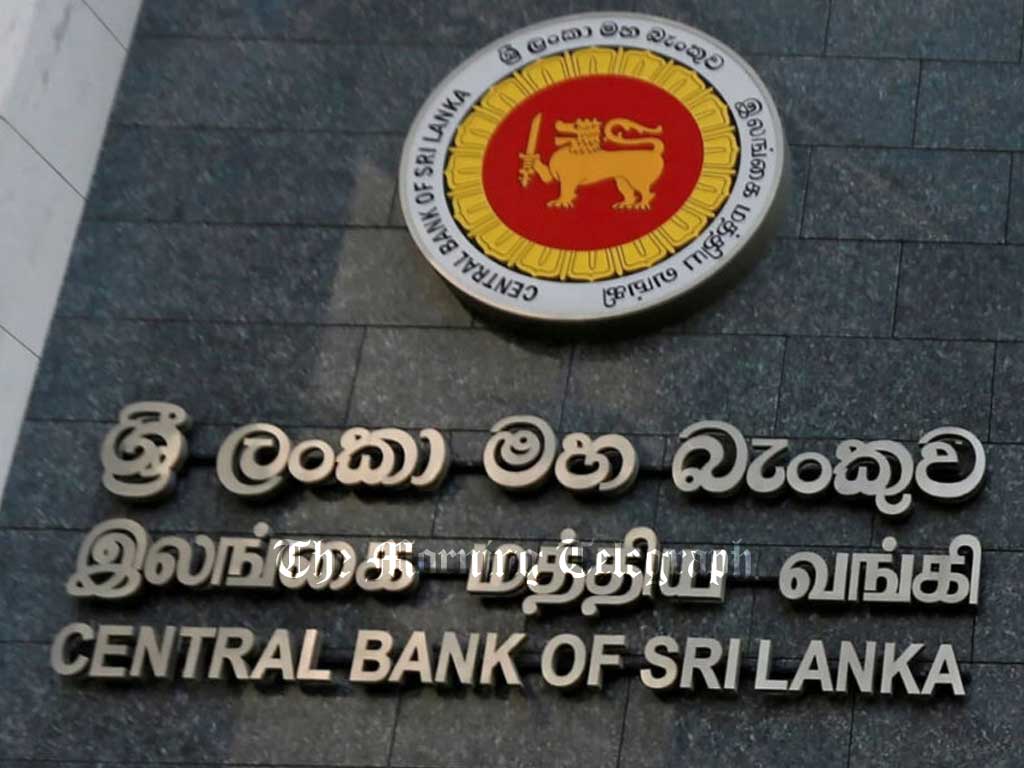
The Central Bank of Sri Lanka is set to auction treasury bills worth Rs. 82 billion today in a critical bid to manage short-term government debt. With offerings across three key maturities 91, 182, and 364 days, investors and financial analysts are watching closely as the country navigates economic recovery. Here’s what you need to know.
The Central Bank of Sri Lanka is conducting a major treasury bill auction today, targeting to raise Rs. 82,000 million in total as part of its weekly domestic debt issuance program.
The auction, a crucial part of the government’s strategy to meet short-term funding requirements, includes treasury bills across three maturities. A sum of Rs. 25,000 million in 91-day bills, Rs. 30,000 million in 182-day bills, and Rs. 27,000 million in 364-day bills are up for grabs.
Treasury bills, commonly referred to as T-bills, are short-term debt instruments issued by the government to manage liquidity and finance public expenditure. These bills are popular among banks, institutional investors, and individuals seeking low-risk, fixed-income investments.
The Central Bank’s move comes at a time when managing domestic borrowing costs and sustaining fiscal discipline is of vital importance. Recent auctions have seen mixed participation levels, but this Rs. 82 billion offering is expected to attract high interest, given prevailing liquidity in the financial system and recent trends in yields.
With foreign reserves stabilizing and inflation showing signs of control, today’s auction also signals the Central Bank’s confidence in debt market mechanisms. Investors will be keeping an eye on yield movements, especially for the 364-day bills, which often serve as a barometer for short-term borrowing costs in the country.
This treasury bill auction also aligns with the broader macroeconomic roadmap set out in Sri Lanka’s IMF-backed reform program, where transparent and market-based domestic debt mobilization plays a pivotal role in the recovery path.
The Central Bank will release the auction results later today, providing insights into investor appetite, accepted yields, and coverage ratios—all critical indicators of market sentiment and debt sustainability in the current economic context.