Bali’s once-idyllic charm is vanishing beneath a wave of pollution, crime, and unchecked development. As locals and activists sound the alarm, calls grow louder for urgent government action before the island’s global reputation is lost forever.
The Indonesian island of Bali, long hailed for its breathtaking natural beauty and spiritual serenity, is now under siege from escalating environmental and social threats. According to a recent investigation by The Times UK, unchecked tourism, poorly enforced regulations, and rising criminal activity are pushing the island into what many locals now describe as a “dirty danger zone.”
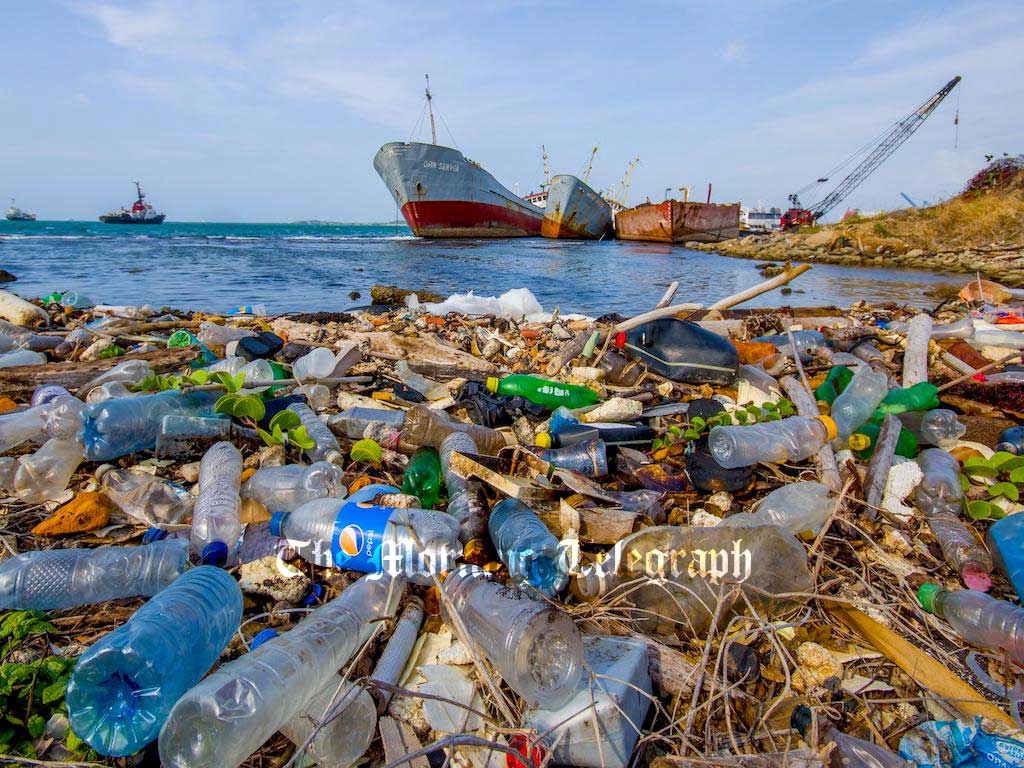
Beaches once renowned for their pristine sands are now littered with plastic, construction debris, and household waste. Jungle retreats and scenic spots are no longer spared, with residents voicing concern that rapid development has come at an irreversible cost to Bali’s ecological balance and community well-being.
The crisis is not limited to environmental degradation. Locals are increasingly alarmed by what they describe as a rise in lawlessness and illicit activity, which they attribute to weak enforcement and widespread corruption. The unchecked expansion of tourism-related infrastructure, including unauthorized resorts and villas, has provided cover for organized crime syndicates. Activities such as drug trafficking, money laundering, and illegal property deals have taken root within the very hospitality and real estate sectors that once defined Bali’s economic success.
Environmental activists warn that Bali is fast approaching a point of no return. “If the government does not take decisive action now, Bali risks losing everything that made it magical in the first place,” a local campaigner told The Times UK. They argue that the island’s environmental and social fabric is being steadily eroded, even as international tourist arrivals surge.
Waste management has become another flashpoint. Residents in both urban and remote areas report sporadic and inadequate garbage collection. Community-led cleanups have become a daily necessity, but their efforts are often undermined by recurring floods that wash uncollected garbage from landfills into rivers and the ocean. The resulting pollution cycle has been devastating to marine life and public health.
Tourism, which contributes more than half of Bali’s GDP, has rebounded strongly in the post-Covid era. However, that growth has been accompanied by a surge in illegal construction and the exploitation of regulatory loopholes. New resorts and villas are often erected without proper environmental impact assessments or sewage treatment facilities, leaving fragile ecosystems exposed to contamination.
“Tourism has brought wealth, but also chaos,” said one local hotel owner. “There’s a sense that anything goes now , as long as you have money.” Many residents echo this sentiment, pointing to a cultural shift where short-term profits appear to outweigh long-term sustainability and community values.
Local authorities claim they are cracking down on rogue development and tightening regulations, but critics say the efforts have fallen short. Weak governance, bureaucratic hurdles, and corruption are often cited as reasons why meaningful reform has yet to take hold.
As Bali teeters between prosperity and peril, long-term expatriates and local communities are pleading for intervention. They are calling on the Indonesian government and international stakeholders to treat the island’s crisis with urgency. Without coordinated, sustainable action, Bali risks losing not only its beauty but its soul—the very qualities that made it one of the world’s most beloved destinations.