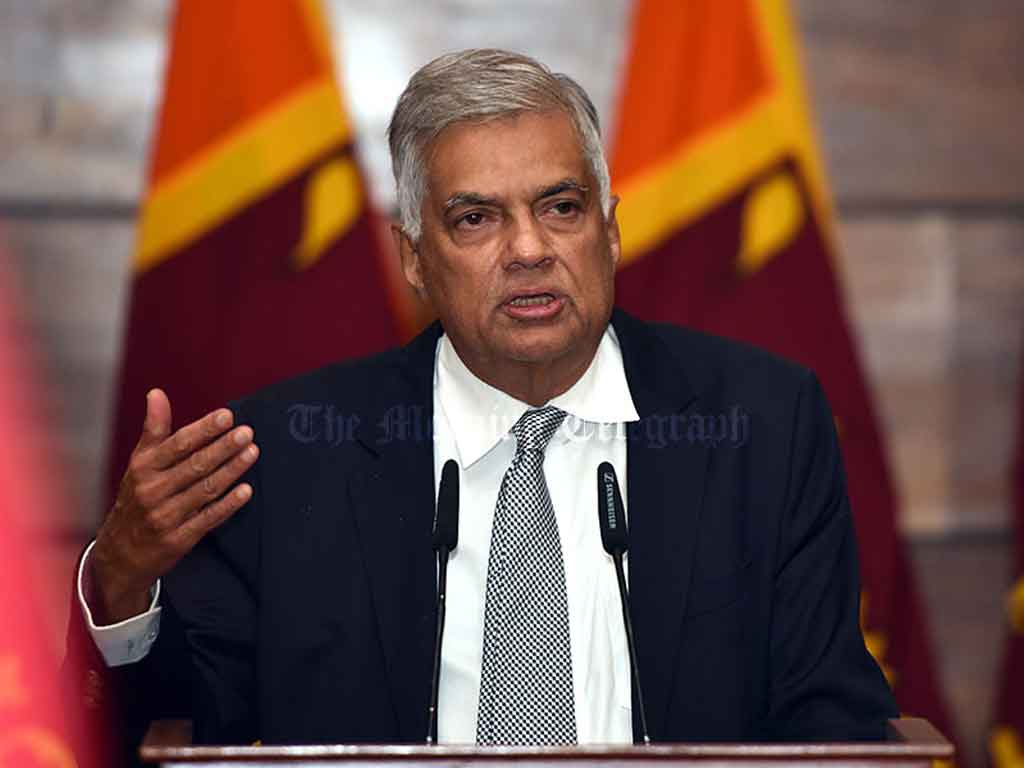
Former President Ranil Wickremesinghe has cautioned that politicizing Sri Lanka’s youth clubs could dismantle a 40-year-old movement that has nurtured talent, built community spirit, and shaped future leaders. He urged immediate dialogue to resolve growing protests before political parties exploit the unrest.
Former President Ranil Wickremesinghe has warned that the politicization of Sri Lanka’s youth clubs could destroy the nation’s largest and most successful youth movement.
Speaking today (10) on the growing controversy over amendments to the youth club constitution, the former President stressed that Sri Lanka’s youth should not be drawn into political agendas. He urged the responsible minister to hold discussions with both former and current youth club officials to reach a solution that satisfies all parties.

“I started youth clubs about forty years ago at the request of the youth of Sri Lanka,” Wickremesinghe recalled. “The main aim was to develop the talents and abilities of young people through a space where they could gather for hobbies, arts, and other activities. That initiative has been very successful, with many young people now active in various fields of society. Some have entered politics, others are in business, and many continue to support the program.”
He warned that the proposed constitutional changes have triggered nationwide protests, with demonstrations expected even after the ongoing national conference. Protesters claim the amendments are designed to politicize youth clubs, a move Wickremesinghe says could cause the movement to collapse.
“This issue must be resolved without allowing it to escalate,” he stressed. “If protests continue, political parties will get involved, and the youth social movement we built will disappear. I want to protect this movement. That is why I decided to deliver this short message.”
The former President reiterated that the youth movement, which has thrived for decades, must remain free from political interference and should continue to be a platform for developing skills, fostering unity, and building a better future for Sri Lanka’s young generation.