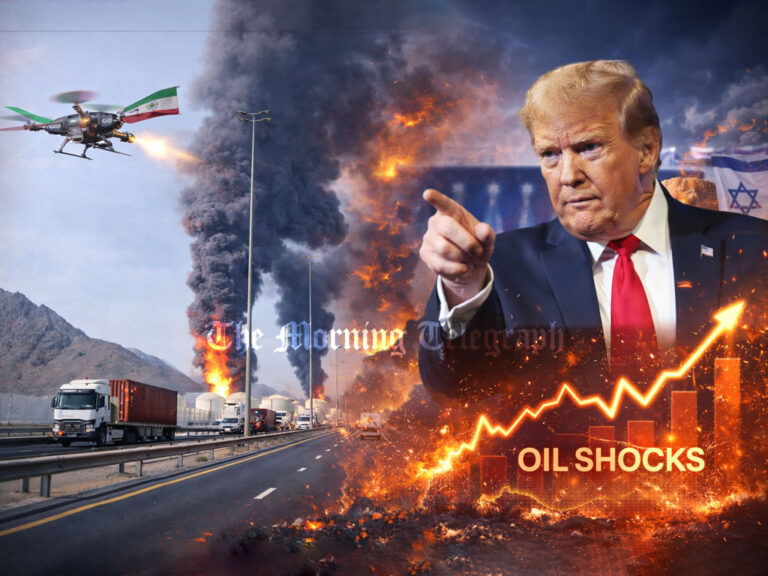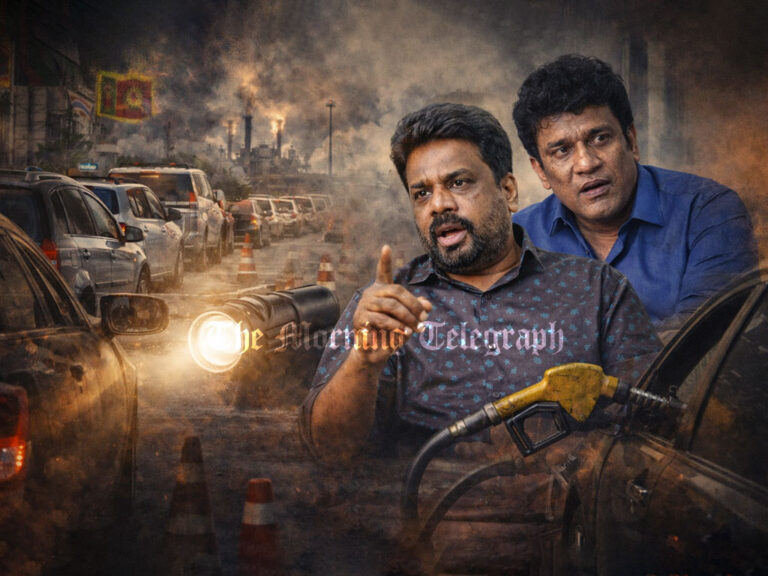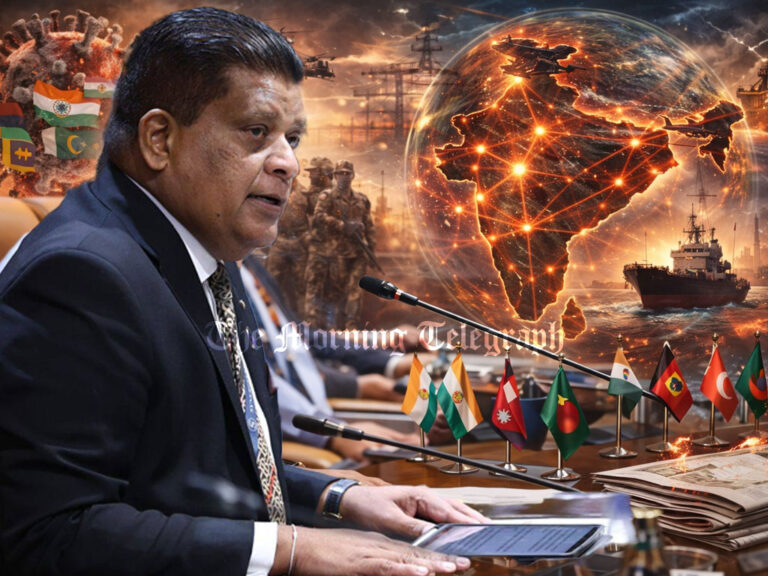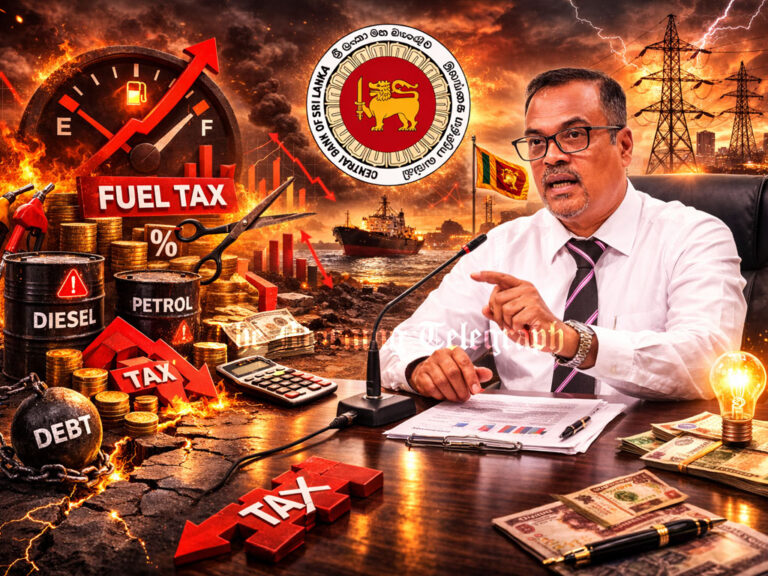
A tale of two nations under Donald Trump’s trade war: India stood firm, protecting its farmers and sovereignty, while Sri Lanka yielded to secret US conditions. The contrasting paths reveal the high-stakes game of global tariffs, geopolitics, and national pride.
In a press conference before assuming the presidency, US President Donald Trump publicly called Indian Prime Minister Narendra Modi his close friend.
“Modi is a man who is not afraid of anyone. He is a kingmaker. He is my close friend…”
These words were Trump’s attempt to reassure Modi. Among the world leaders who rushed to the United States to meet him after his second presidential victory, Modi stood out. He personally congratulated Trump, and the newly appointed US Vice President, whose wife is of Indian origin, later visited India. Modi attended the Vice President’s family events, including a birthday celebration in France, and the two leaders crossed paths again in Paris during another birthday event. Modi accepted every invitation, strengthening their personal rapport.

It was during this period that Trump unveiled a sweeping tariff policy targeting nations trading with the United States. Almost immediately, Indian representatives flew to Washington to negotiate a reduction. Their swift action contrasted with the hesitation of other nations. Economic analysts predicted that due to Modi and Trump’s warm relations, India’s tariff would be capped at 12%. Sri Lanka, watching closely, feared that if India faced such a tariff, American investors in Sri Lanka would shift operations to India. But in a surprising twist, Trump imposed a 25% tariff on India while cutting rates for other South Asian nations.
The reason soon became clear. Trump urged Modi to open India’s markets to American agricultural and dairy products, promising lower tariffs in return. Modi’s reply was decisive.
“That cannot be allowed…”
Choosing national interest over political friendship, Modi traveled to Varanasi and told a cheering crowd that India’s farmers, dairy producers, and small industries meant more to him than any deal with Trump.
“We are Swadeshi. I cannot betray our Swadeshi farmers, dairy farmers, and young entrepreneurs…”
The people of Varanasi erupted in applause, and Modi’s stand proved correct. Accepting Trump’s terms would have hurt India’s agriculture sector and endangered his political standing. Political strategists within the Bharatiya Janata Party warned that it could be political suicide.
“We are indigenous,” Modi told the nation, reaffirming his stance. India also continued purchasing Russian oil despite Trump’s threats to escalate tariffs. True to his word, Trump retaliated by raising tariffs on India another 25%.
Tariffs were not the only source of tension. Trump pressed India to abandon the BRICS alliance, co-founded with China and Russia, but Modi refused.
In contrast, Sri Lanka applied to join BRICS under then-President Ranil Wickremesinghe, a staunch US ally. Ranil lobbied BRICS members to approve Sri Lanka’s entry, fully aware of American opposition. He looked forward to the 2024 BRICS summit in Russia.
But political tides shifted. Ranil was defeated, and Anura Kumara Dissanayake became president. Expecting a friendlier stance, Russia’s ambassador invited Anura to the BRICS summit on behalf of President Vladimir Putin. Anura declined, preferring to maintain ties with Washington.
Yet Washington’s goodwill came at a cost. The US agreed to cut Sri Lanka’s 30% tariff rate only under numerous undisclosed conditions. The Secretary to the Ministry of Finance confirmed the terms exist but refused to reveal them.
“Does that mean the leftist government has betrayed the Sri Lankan farmer…?”
The answer remains unclear. Trump’s history shows that nations securing tariff relief risk double rates if they fail to honor deals. The secrecy fuels speculation over what Sri Lanka has promised in return.
“Then will Modi’s government be considered domestic while the left-wing government in Sri Lanka is foreign…?”
It’s a troubling question. Rohana Wijeweera founded the JVP to resist American imperialism, yet the current JVP-led administration has yielded to it for economic concessions. Trump’s tariffs are more than just taxes—they are strategic weapons. India resisted the trap. Sri Lanka walked right into it. The outcome leaves Sri Lanka’s sovereignty, agriculture, and political independence hanging in the balance, while America tightens its grip.