As neoliberal capitalism declines and the left struggles to unite, wars, climate collapse, inequality, and authoritarianism surge. From Ukraine to Gaza, BRICS to the Arctic, the Global South faces a historic choice fight the monsters of the interregnum or be devoured by them.
The famous words of Italian Marxist philosopher Antonio Gramsci seem written for our times: “The old is dying, and the new cannot be born. In this interregnum, monsters arise.” Today, humanity is trapped in that very interregnum. The neoliberal capitalist order, mortally wounded yet still dominant, clings to power through force, exploitation, and the rebirth of fascism, while alternatives fail to solidify. In this vacuum, monsters thrive wars and recolonization, climate breakdown, structural hunger, the collapse of multilateralism, and the bending of international law to serve the most powerful.
Capitalism’s Terminal Decline
Brazilian theologian Leonardo Boff has long argued that globalized capitalism shows signs of a terminal crisis: obscene wealth concentration, parasitic financialization, ecological catastrophe, and worsening living conditions. Yet the system refuses to die. Western imperialism embodied in NATO’s escalating war budgets, U.S. economic warfare (especially against China), and European Union sanctions on Russia can no longer boast unchallenged dominance, but it resists collapse. Its decline is visible in global inflation, the return of Cold War geopolitics, and the rise of neo-fascist movements offering false solutions to deepening inequality.

The Left’s Struggle for Direction
While capitalism teeters, the left has failed to unite behind a coherent global project. Progressive governments in Latin America face blockades, economic sieges, and judicial warfare, while popular movements suffer demobilization. In Europe, social democracy capitulates to neoliberalism, and anti-capitalist forces remain fragmented and weak. The inability to address new forms of domination from the digital divide to Big Tech monopolies—further delays the birth of a new order.
The Monsters of the Interregnum
In this limbo, crises multiply. Wars rage in Ukraine, Palestine, Sudan, and the Sahel, where resources are seized under the pretext of defending democracy or left to chaos. The environmental crisis worsens as capitalism commodifies nature, fueling fires, floods, and desertification. Inequality deepens: the wealthiest 1% own more than the rest of the world combined, while 735 million endure chronic hunger, even as billionaires reap record profits with the support of media empires and complicit politicians.
International law has lost credibility. The International Criminal Court prosecutes African leaders while ignoring crimes committed by the United States and Israel. The UN Security Council has become a veto-wielding club for major powers, prompting calls from the Global South for systemic reform, as seen at the recent BRICS summit in Rio de Janeiro.
Migrants face growing criminalization. In the first six months of his second term, U.S. President Donald Trump launched an aggressive anti-immigration campaign targeting Latin Americans, revoking humanitarian programs, cancelling Temporary Protected Status, ordering mass deportations, separating families, and detaining children. This crackdown builds on policies already in place under previous administrations, including that of Joe Biden, under which Venezuelan migrants saw restrictive measures intensify.
A Search for Alternatives
Can the world build new democratic forms, stronger popular organizations, and renewed international solidarity? The BRICS summit in Rio, held on July 6–7, offered a glimpse of a possible counterweight to the Western-led order. Its expansion to include Egypt, Ethiopia, Iran, Saudi Arabia, and the UAE marked a historic shift toward Global South representation, though tensions remain, such as Brazil’s opposition to Venezuela’s membership.
The summit’s 126-point declaration drew swift backlash from Trump, who denounced BRICS’ plan to de-dollarize trade and expand the New Development Bank as a threat to U.S. dominance, threatening tariffs on nations supporting such moves.
The meeting also highlighted the Civil Council, known as the “BRICS People’s Council,” first proposed in Kazan, Russia. While not yet formalized within BRICS structures, it signals a growing recognition that governments alone cannot solve the crises facing their peoples. João Pedro Stedile of Brazil’s Landless Rural Workers’ Movement called its formal participation “historic” and a necessary method for collective action. Yet progress will be uneven, with each rotating BRICS presidency shaping its priorities, next year India takes the helm, potentially shifting the balance.
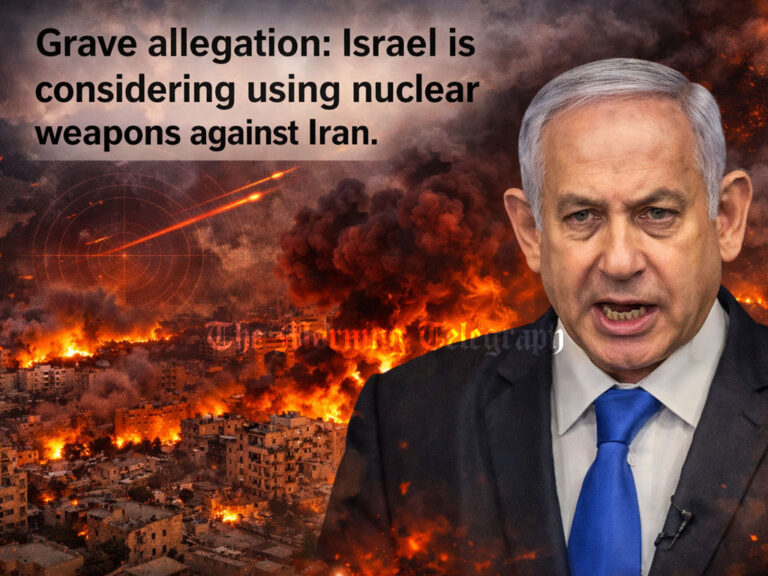
Despite the challenges, popular movements are uniting against the monsters of this era protesting Israel’s extreme violence in Gaza, opposing war against Iran, defending Sahel sovereignty, and resisting the exploitation of migrants. Whether these efforts can coalesce into a new global order remains uncertain. But one truth is clear: the interregnum will not last forever. Either a new, just order emerges, or the monsters will win.