The Front Line Socialist Party warns that the resignation of a coal company chairman linked to the opposition cannot shield him from accountability, demanding an immediate probe into alleged irregularities in Sri Lanka’s coal tender process.
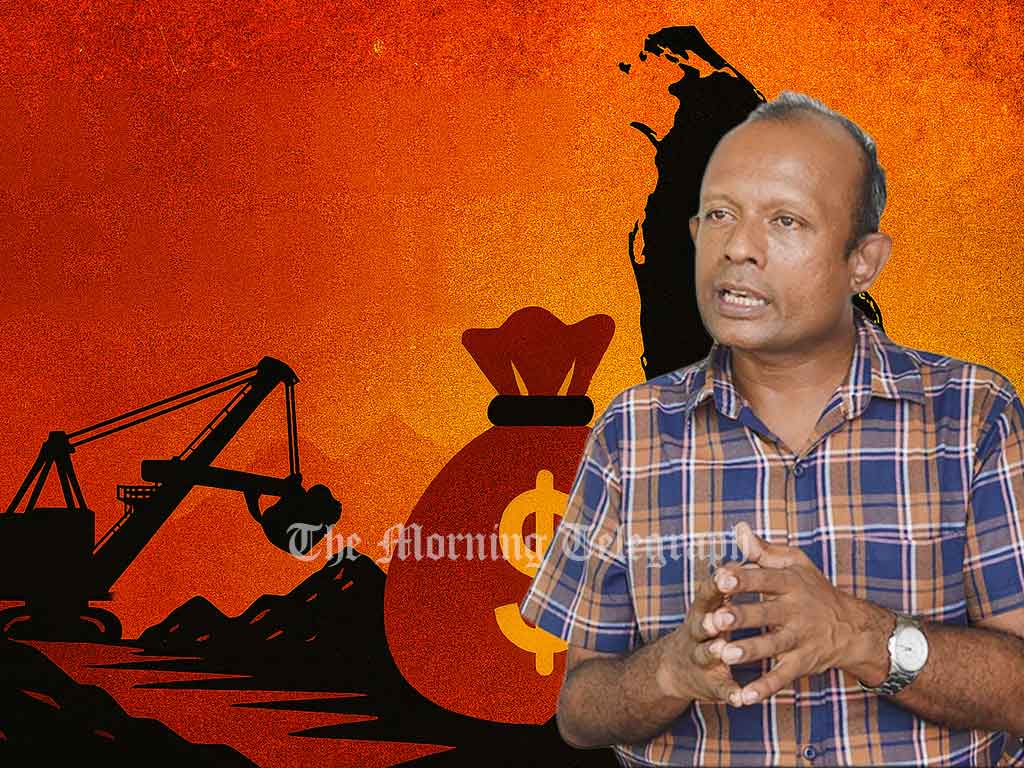
The Education Secretary of the Front Line Socialist Party (FLSP), Pubudu Jayagoda, has insisted that the chairman of the opposition-linked coal company must face investigation, stating that he cannot be absolved of responsibility simply by resigning.
Speaking at a media briefing in Nugegoda yesterday, Jayagoda highlighted what he described as a serious irregularity in the awarding of a coal tender. He accused the government of violating national procurement guidelines, which mandate a six-week period for tender applications, by instead allowing only three weeks. According to Jayagoda, this shorter window created an unfair advantage for pre-selected companies.
“The government says this was due to an emergency, but they have failed to explain what that emergency was,” he said. Jayagoda also warned that the delay in issuing the tender launched in August instead of the usual February to March timeline—would result in the first coal shipment arriving as late as November, creating the risk of a shortage.

He cautioned that such a delay could force Sri Lanka to purchase coal at inflated prices, adding that the burden would ultimately fall on electricity consumers. He further warned that if rains failed in October or November, the country could face extended power cuts.
Jayagoda alleged that the delay might benefit private diesel power plant operators, while raising suspicions that the tender process was being manipulated to favor Panacape, a company linked to businessman Ruwan Fernando. He pointed out that Fernando, who had previously been appointed Hilton chairman by the government, was also connected to the controversial Maylin company.
“This is not only a matter of corruption but also a betrayal of political ethics,” Jayagoda charged. “The government is prioritizing the interests of one individual over the needs of the people, putting the country’s electricity system at risk. The authorities must immediately clarify this issue.”