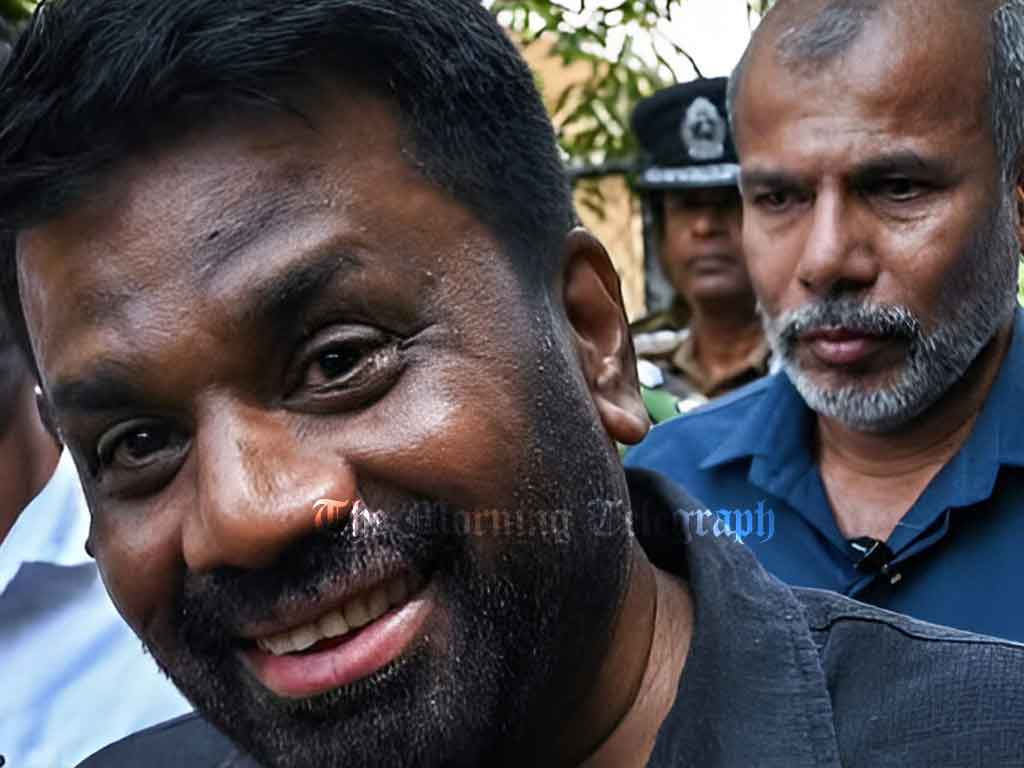
Sri Lanka’s ruling NPP thunders about corruption and misuse of state funds, yet happily rides on taxpayer money, state security and VIP convoys for private events. If this is their idea of “change,” it looks suspiciously like the same old circus, just with new clowns.
The arrest and remand of former President Ranil Wickremesinghe has ignited a media firestorm. Both the government and the opposition are tearing into each other, hoping to score points in a political mud fight. Lost in the noise are serious scandals from corruption allegations against Minister Kumar Jayakody, to the no-confidence motion against Deputy Defence Minister Maj. Gen. (retd.) Aruna Jayasekera, the government’s failing promises, rising cost of living, botched educational reforms, and even whispers of a coal racket. Yet the public waits breathlessly for August 26, when Wickremesinghe will again face the Fort Magistrate’s Court.
Deputy Solicitor General Dileepa Pieris revealed in court that Wickremesinghe argued there was no distinction between official visits and private visits for a President. One deputy minister wasted no time preaching on social media, insisting he cut costs abroad and never wasted state money on personal trips. But here’s the catch: doesn’t this very “holier-than-thou” politician ride in state vehicles, flanked by official security, even for private functions? If so, who pays the bill? The taxpayer, of course. President Anura Kumara Dissanayake, like his predecessors, never drives alone when attending JVP/NPP events or family visits in Anuradhapura. He campaigns across the country with convoys of security personnel, all funded by the public. If electioneering is not an official duty of the President, shouldn’t this also qualify as misuse of public funds?

The hypocrisy deepens when political leaders quietly gorge on the largesse of business tycoons. Black money, hidden slush funds and shady connections flow into campaign coffers. Billions of rupees are poured into political war chests, while only a fraction is spent on actual campaigns. The rest? Shuffled into personal networks and “unofficial” expenses. Even expatriate Sri Lankans send large donations. Where does it all go? Few ask, and even fewer dare answer.
Big business doesn’t bankroll campaigns out of charity. They see campaign donations as investments—expecting fat dividends in the form of government contracts, tax breaks, customs waivers, and legal blind spots. Political funds also flow through powerful lobbyists, and even more sinister sources like drug cartels and gambling tycoons.
And what of transparency? Every party promises it before grabbing power, only to bury the word afterward. How can a government cleanse corruption if it refuses to disclose its own shady finances? Weak laws, selective enforcement, and blind loyalty from voters allow politicians to live in luxury, flaunting flashy cars, designer wear and decadent lifestyles, despite having no traceable source of income.
As Daisy Aachchi’s infamous bag of gems symbolizes the Rajapaksa empire’s inability to account for wealth, the JVP’s overflowing coffers may soon become the same symbol of rot for today’s rulers. With Rajapaksa family members now dragged into court alongside Daisy Aachchi, forced to explain millions in hidden assets, perhaps JVP leaders should brace for the same reckoning when their electoral good fortune runs dry.
Which brings us to the elephant in the room: if the NPP truly believes it is unlawful for a President to use taxpayer-funded convoys and state-provided security for private events, why hasn’t it passed a law banning Presidents and Ministers from doing exactly that? Maybe because stripping away that privilege would expose their hypocrisy—and cut off the very perks they once condemned.