Washington’s latest tariff gamble doubles duties on Indian imports, weaponizes trade in the name of squeezing Putin, and risks shattering already fragile U.S.-India relations. As New Delhi stands firm on Russian oil, Trump’s “two to tango” diplomacy might just leave the dance floor empty.
The Trump administration is charging full steam ahead with its plan to impose a massive 50% tariff on Indian imports, in what it claims is a strategy to pressure Russia into ending the war in Ukraine. The move, however, signals an alarming escalation in U.S.-India trade tensions, adding yet another strain to a partnership already riddled with disputes over oil, security, and shifting alliances.
A notice from the Department of Homeland Security confirmed that starting August 27, 2025, Indian goods “entered for consumption or withdrawn from warehouses for consumption” will be slapped with the new 50% levy, doubling the existing 25% tariff. Officials argue the hike is needed to cut into Russian President Vladimir Putin’s revenues, forcing him to negotiate peace.

President Donald Trump, who first unveiled the plan earlier this month, has made it clear that India’s continued imports of Russian oil are a red line. The White House insists that secondary tariffs are unavoidable if Moscow’s war chest is to be drained. But India has wasted no time in firing back, denouncing the tariffs as unfair, politically motivated, and unnecessary. New Delhi argues that progress in Ukraine talks, not U.S. punishment will determine whether sanctions hold meaning.
In recent weeks, Trump has tried his hand at international matchmaking, holding meetings with Putin in Alaska and hosting Ukrainian President Volodymyr Zelenskiy in Washington. Yet despite all the photo ops, he has failed to secure a face-to-face between the two leaders. “It takes two to tango, and they should meet,” Trump told reporters. But even he admitted he wasn’t sure such a meeting would ever happen.
The administration is now dangling broader threats, with Trump warning of “very big consequences” in the coming weeks if there’s no progress. Analysts suggest this could mean more tariffs or sanctions on Russia’s trading partners, though Washington has so far carefully avoided poking China, another major buyer of Russian crude.
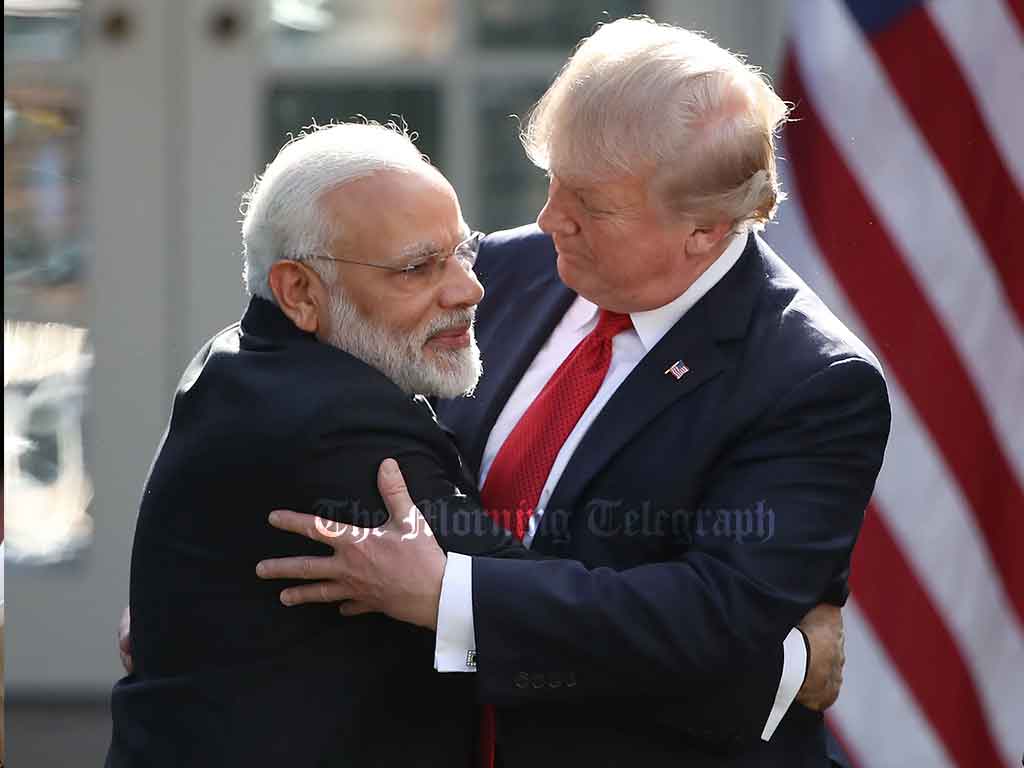
Meanwhile, Moscow is busy firming up its friendships. Putin recently met with Indian Prime Minister Narendra Modi, who continues to balance relations with both Russia and China while shrugging off U.S. pressure. Modi’s government has been blunt: India will keep importing Russian oil. Statecraft in New Delhi now revolves around shoring up energy security while Washington scrambles to use tariffs as a blunt foreign policy tool.
If the tariff war spirals further, the already fragile U.S.-India partnership could crack under the weight of economic strain and geopolitical rivalry. For Trump, it’s a gamble to strong-arm Moscow by punishing New Delhi—a move that could backfire spectacularly in a world where India is becoming increasingly pivotal in global power balances.