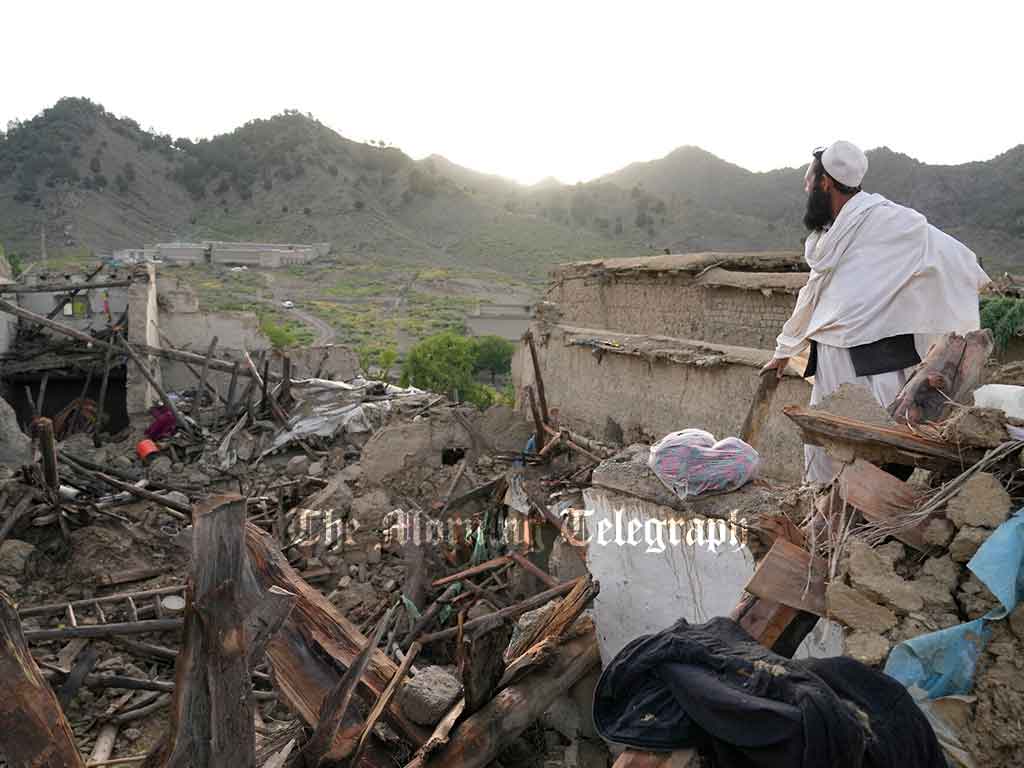
A deadly 6.0-magnitude earthquake near Afghanistan’s border with Pakistan has killed more than 800 people and left hundreds injured, overwhelming hospitals as survivors are rushed in at alarming rates. Cultural barriers may delay lifesaving treatment for women and children in the hardest-hit regions.
More than 800 people have been confirmed dead following a powerful 6.0-magnitude earthquake that struck eastern Afghanistan late Sunday night, according to the Taliban Interior Ministry. The tremor, which struck at 11:47 p.m. local time at a shallow depth of 8 kilometers, was followed by at least three aftershocks ranging between 4.5 and 5.2 on the Richter scale.
The U.S. Geological Survey reported the quake struck near the Pakistan border, devastating already fragile provinces including Laghman, Nangarhar, and Kunar. Initial figures from the Afghan health ministry recorded 330 injuries, but casualty numbers in Kunar province were reported to be even higher, making it the hardest-hit region.

Hospitals across the region are under immense strain, with officials warning that one injured person is being hospitalized every five minutes. A local reporter in Jalalabad described wards filled primarily with men, while women survivors faced delays in treatment due to cultural restrictions. Helicopters transported small groups of women to hospitals, but aid groups fear many remain untreated in remote areas.
The timing of the quake was especially devastating, coming just days after flash floods swept through the same region, further limiting rescue and relief capacity. With limited mobile coverage in affected districts, authorities continue to struggle to assess the full scale of destruction.
Concerns also remain for women and children trapped in conservative areas like Kunar, where cultural norms often prevent them from seeking medical help immediately. Experts recall that after the 2022 Paktika quake, hospitals were overwhelmed with injured women only days later, further raising alarm for the current crisis.
Rescue operations remain severely challenged by the rugged terrain, poor communication, and a lack of female rescue personnel to assist women in distress. Officials fear the death toll could climb even higher as more remote villages are reached in the coming days.