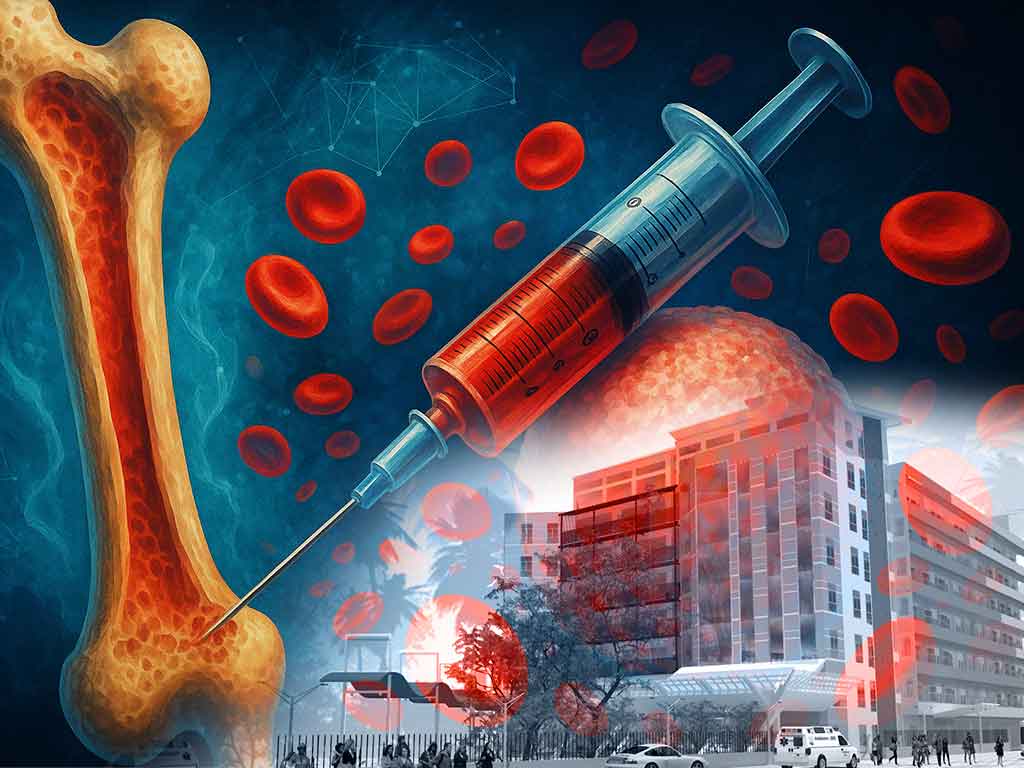
Sri Lanka’s first national Bone Marrow Transplant Unit has transformed cancer care, performing nearly Rs. 2 billion worth of surgeries free of charge, giving hundreds of patients a second chance at life despite severe economic and medical challenges.
Sri Lanka’s first national Bone Marrow Transplant Unit (BMTU) at the Apeksha Hospital, Maharagama, has successfully carried out transplants valued at nearly Rs. 2 billion since its establishment in December 2016, revealed Specialist Oncologist Dr. Prasad Abeysinghe. Despite the immense value, the procedures were performed at a cost of Rs. 200 million, saving countless families from spending Rs. 8–10 lakhs overseas for treatment.
Speaking at the Dr. Kumar Weerasekara inaugural lecture during the 22nd anniversary celebrations of the Sri Lanka College of Oncologists (SLCO), Dr. Abeysinghe said 294 patients had undergone successful bone marrow transplants by August 2025. The SLCO recognized the BMTU’s remarkable achievements, inviting Dr. Abeysinghe to deliver a lecture titled “A Second Chance in Life: Establishing Sri Lanka’s First National Bone Marrow Transplant Unit.”

He explained that even during the peak of Sri Lanka’s economic crisis, when the hospital grappled with shortages of fuel, medicine and essential supplies, the unit continued to save lives and even initiated allogeneic stem cell transplants. Plans are now underway to perform the fourth donor transplant.
While the unit performed a record 49 transplants in 2023, numbers fell in 2024 due to resource constraints, extending the waiting list until January 2027. Dr. Abeysinghe pointed out that only half the required number of doctors are currently available, with trained staff constantly being transferred, leaving retraining as a recurring challenge. A shortage of critical items such as bone marrow storage bags, dimethyl sulfoxide (DMSO), and suitable donors has also slowed progress.
The lack of access to expensive essential chemotherapy drugs has forced the unit to depend heavily on donations. Dr. Abeysinghe stressed that if resources were available, the hospital could perform at least 55 transplants a year, sparing many patients from dying while on the waiting list.
The success of the Maharagama Bone Marrow Transplant Unit underscores the importance of investing in specialized healthcare in Sri Lanka. It remains a beacon of hope for patients who once had no option but to seek costly treatment abroad.