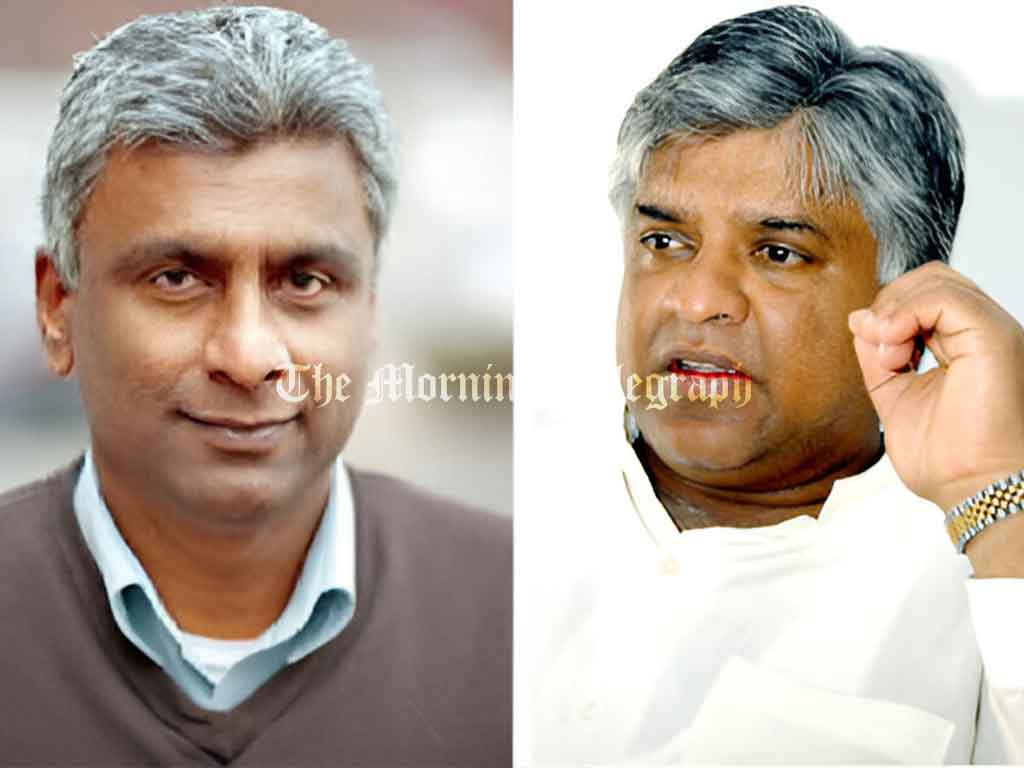
A long-dormant bribery case involving former Sri Lanka cricket captain and ex-Minister Arjuna Ranatunga and his brother Dhammika Ranatunga has resurfaced, raising new questions about selective accountability and the independence of the Commission to Investigate Allegations of Bribery or Corruption (CIABOC).
The case, filed under BC 3131/19, was initially lodged by a businessman and involves allegations of financial misconduct amounting to nearly Rs. 800 million. The charges date back to Arjuna Ranatunga’s tenure as Minister overseeing the Ceylon Petroleum Corporation, where his brother Dhammika was controversially appointed Chairman a move widely criticised as nepotism and an abuse of ministerial power.
For months, the case appeared to have stalled. Sources close to the matter alleged that political influence and external pressure had caused the file to gather dust, despite the scale of the allegations and the public resources at stake. The issue drew renewed public attention earlier this year following the landmark convictions of former Sports Minister Mahindananda Aluthgamage and former Trade Minister Nalin Fernando, both sentenced to lengthy prison terms over the infamous carrom board procurement scandal.
Now, according to fresh reports, Dhammika Ranatunga is scheduled to be summoned before the Bribery Commission. Yet concerns are mounting that CIABOC may not pursue the case with the same rigor applied to others. Legal observers point out that individuals accused of far smaller offences have been arrested and remanded for days, while Dhammika appears to be receiving unusually lenient treatment.

“The fear is that this will be swept under the rug,” one source noted, adding that such double standards could erode what little public trust remains in the commission’s independence.
The latest twist comes amid claims that both Arjuna and Dhammika had been preparing to travel abroad earlier this year, allegedly to “buy time” as the case remained inactive. Arjuna’s resignation from the Executive Committee of the Singhalese Sports Club, initially linked to dissatisfaction with cricket administration, is now also being connected by insiders to the weight of the corruption allegations hanging over his family.
Despite the high-profile nature of the case, CIABOC has yet to issue a formal statement on its progress. Analysts warn that the commission’s credibility could suffer lasting damage if the Ranatunga brothers are seen to be shielded from consequences.
As Sri Lanka faces a broader crisis of governance and accountability, the Ranatunga case has become a litmus test for whether justice is applied equally, whether to the powerful and famous, or to ordinary citizens. With Dhammika’s upcoming summons looming, the public is left to wonder: will this be the moment CIABOC proves its independence, or is it preparing to play a separate game?