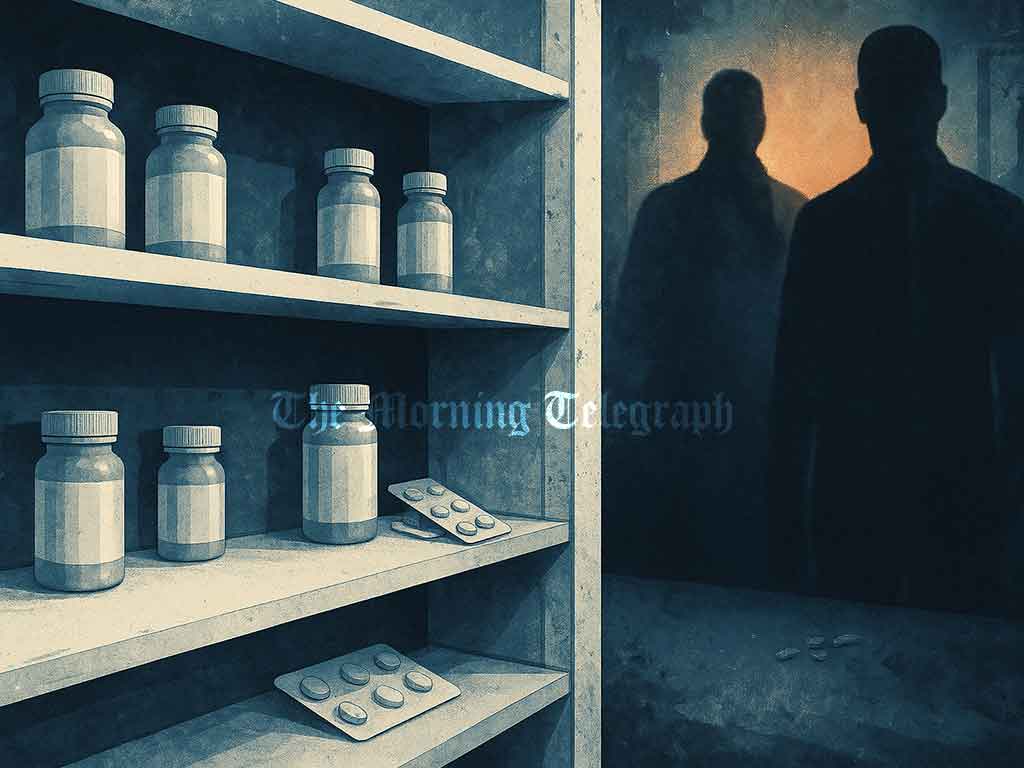
Amidst allegations of corruption, inefficiency, and failed tenders, Sri Lanka’s healthcare system now teeters on the brink of a devastating medicine shortage that could leave thousands without essential treatment.
Sri Lanka’s medical sector is bracing for a severe shortage of medicines due to widespread inefficiencies and questionable practices at the State Pharmaceuticals Corporation and the Drug Regulatory Authority, according to the Chairman of the Doctors’ Trade Union Alliance, Specialist Dr. Chamal Sanjeewa.
Dr. Sanjeewa warned that despite promises by top officials to stabilize supply chains by early next year, the Ministry of Health is unlikely to overcome the looming crisis under the current system. He accused the Medicines Regulatory Authority of creating unnecessary pressure on lower-ranking officials and specialist doctors, which has resulted in companies losing access to critical tenders.

He further revealed that many tender transactions over the past year were deeply questionable, with evidence suggesting certain suppliers were given inflated contracts at unusually high prices. Dr. Sanjeewa announced his intention to file a complaint with the Bribery and Corruption Investigation Commission, urging immediate investigations into malpractice within the State Pharmaceuticals Corporation.
The crisis has already drawn the attention of the Supreme Court and Court of Appeal, which have issued interim injunctions aimed at tightening oversight over the State Pharmaceuticals Corporation and the Drug Regulatory Authority. Dr. Sanjeewa stated that these injunctions must be strictly monitored to ensure compliance.
He also noted that healthcare professionals, backed by Transparency International, are preparing to escalate legal action against emergency drug purchases, excessive procurement, lack of quality checks, and multiple violations of the Drug Regulatory Authority Act and the National Procurement Act.
Dr. Sanjeewa stressed that if a nationwide medicine shortage strikes next year, the full responsibility would lie directly with the State Pharmaceuticals Corporation and its regulatory bodies. He expressed disappointment that the President has not acted decisively to remove inefficient officials, despite mounting evidence of systemic failures and corruption.