Sri Lanka’s power regulator has slapped the CEB with a tough enforcement order, demanding transparency and legal agreements for fuel purchases—or face millions in fines.
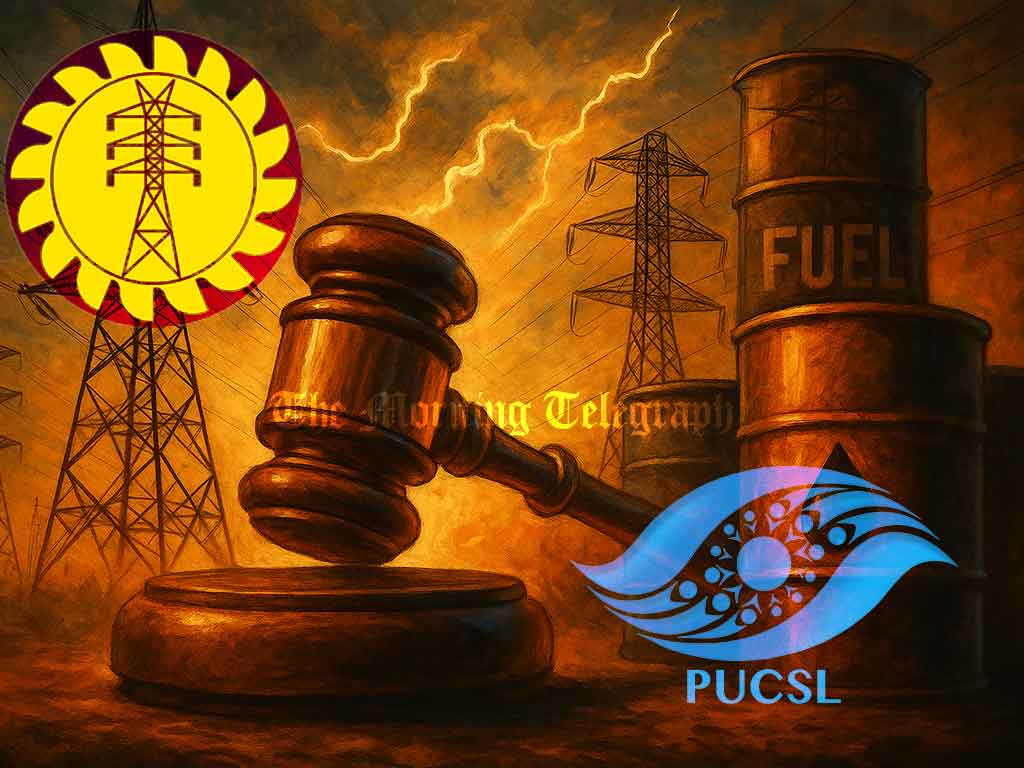
The Public Utilities Commission of Sri Lanka (PUCSL) has taken decisive action against the Ceylon Electricity Board (CEB) by issuing an enforcement order that will legally compel the utility provider to sign Fuel Supply Agreements (FSAs) with the Ceylon Petroleum Corporation (CPC) and the Ceylon Coal Company (Pvt) Ltd. These agreements are expected to regulate fuel procurement for CEB’s thermal power plants.
At present, the CEB sources fuel and coal without any formal written agreements. PUCSL has warned that this lack of structure directly impacts the cost of electricity generation and, ultimately, the bills passed on to consumers. The regulator also pointed out that the absence of transparency in price calculations undermines accountability in the fuel procurement process and damages the credibility of the cost transmission mechanism.

According to PUCSL, entering into fuel supply agreements approved by the CEB is critical to ensuring security, reliability and cost efficiency in power generation. The Commission insists that these agreements must not only be binding but also transparent, subject to a public consultation process to safeguard fairness.
Despite repeated instructions and directives issued since 2023, the CEB has consistently failed to present acceptable finalized agreements to the Commission. PUCSL’s enforcement order now requires the CEB to comply with all directives, decisions and obligations under the Sri Lanka Electricity Act and its license conditions.
The regulator has made it clear that if the CEB disregards this enforcement order, it will amount to an offence under the Sri Lanka Electricity Act, 2009. Such a violation could lead to a fine ranging from Rs. 1 million to Rs. 10 million. Moreover, if the violation continues, the penalty will increase by Rs. 500,000 for each additional day.
This latest development highlights the growing scrutiny on Sri Lanka’s energy sector and the regulator’s determination to bring long-overdue accountability to the CEB. With mounting public concern over electricity costs and supply security, the PUCSL’s move signals a major shift towards stricter enforcement and regulatory discipline.