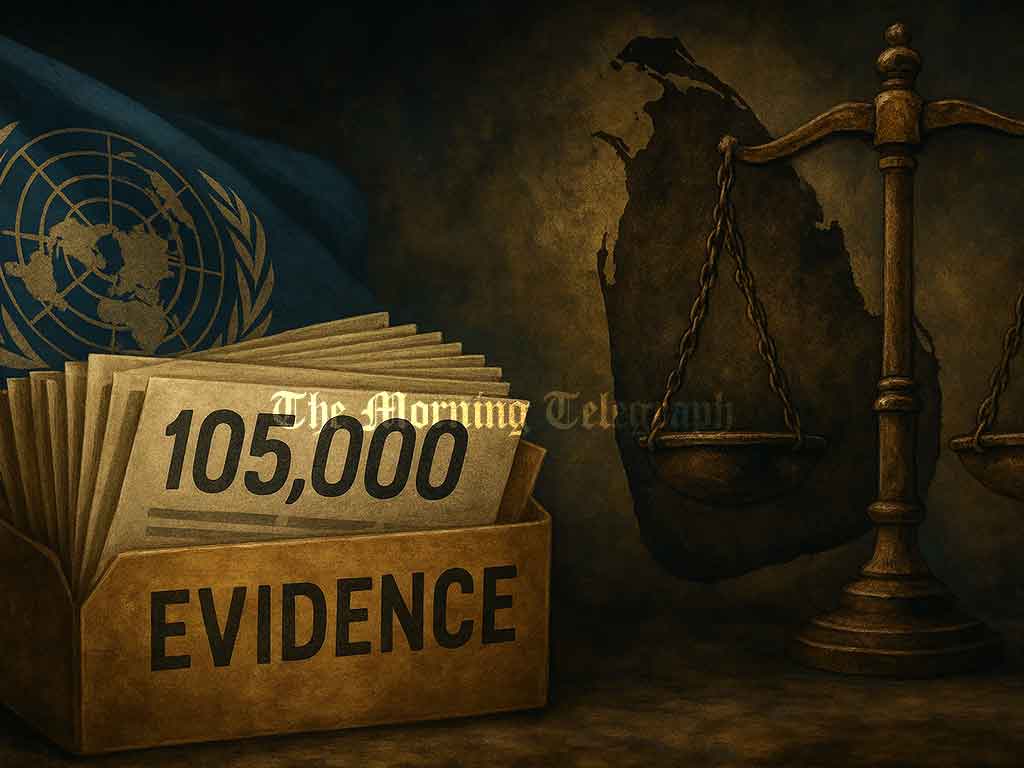
A vast UN archive of over 105,000 pieces of evidence exposes decades of war crimes, disappearances, and human rights abuses in Sri Lanka, placing unprecedented pressure on the government to confront its past and deliver real justice.
The United Nations has confirmed that more than 105,000 items of evidence have been compiled as part of its continuing effort to investigate and prosecute alleged war crimes, human rights violations, and abuses committed in Sri Lanka over the last several decades. This disclosure was made by UN High Commissioner for Human Rights Volker Türk during an interactive session on the OHCHR report on Sri Lanka, where he outlined both the progress that has been made and the pressing challenges that still face the country on its path toward reconciliation, accountability, and justice.
Türk emphasised that Sri Lanka is at a historic crossroads. According to him, the government now carries a clear mandate from the people to pursue transformative reforms aimed at delivering accountability, truth, justice, and healing after years of impunity and violence. He explained that during his visit to Sri Lanka earlier this year, he encountered families still searching for missing relatives and others who have grieved for decades without answers. Without credible and independent investigations, Türk warned, public trust in the state cannot be restored and cycles of abuse will inevitably continue. He called on the government to formally recognise and accept past violations, including those carried out by state security forces and armed groups such as the LTTE, as a vital step toward building a shared understanding of history and laying the foundations for national healing.

The High Commissioner’s report also highlighted ongoing systemic issues that undermine Sri Lanka’s credibility on human rights. Despite repeated pledges by successive governments, arbitrary arrests and prolonged detentions under the Prevention of Terrorism Act remain widespread. Türk urged an immediate moratorium on its use and pressed for comprehensive legislative reform, including the repeal or amendment of laws that restrict fundamental freedoms such as the Online Safety Act, the International Covenant on Civil and Political Rights Act, the draft NGO Bill, and the proposed Personal Data Protection Act. He noted persistent patterns of intimidation and harassment by security agencies directed against journalists, human rights defenders, and victims’ groups. He also drew attention to unresolved disappearances, contested land disputes, and growing environmental concerns, all of which pose significant risks to stability. For long-term security, he stressed the need to demilitarise the North and East, return land to displaced communities, and devolve greater power to local levels of governance.
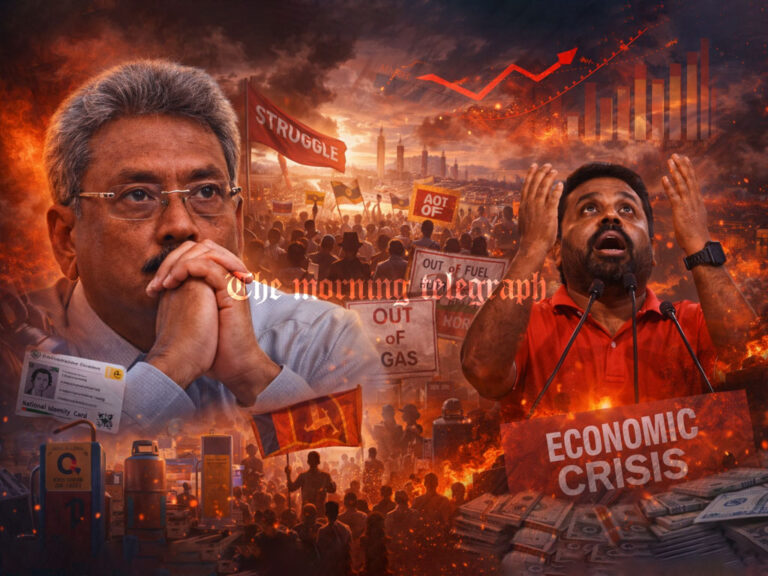
In addition to human rights concerns, Türk underlined the devastating impact of Sri Lanka’s economic crisis, which has deepened inequality and widened suffering. He noted that food prices and poverty rates have nearly doubled in the last five years, while malnutrition and childhood stunting have risen by nearly a third, particularly among vulnerable groups such as the Malaiyaha Tamil community. Türk pointed out that external debt repayments now consume almost 60 percent of government revenue, leaving little fiscal space for investment in social programmes. He warned that the newly imposed tariffs by the United States could seriously harm Sri Lanka’s garment sector, a vital pillar of the economy. While welcoming government initiatives to expand the social safety net and strengthen anti-corruption measures, he urged international creditors to provide breathing room so that Sri Lanka can redirect funds towards its people and safeguard economic, social, and cultural rights.
The High Commissioner’s recommendations were far-reaching. He called for the establishment of an independent Public Prosecution Office with impartial investigators, supported by a dedicated judicial mechanism and special counsel, to examine alleged violations of international human rights and humanitarian law. He urged sustained international pressure to end torture and deaths in custody and stressed the importance of including civil society organisations in every stage of the reform process. He acknowledged recent signals of progress from the government, such as its openness to memorialisation initiatives by victims’ groups and official statements from the President recognising the importance of accountability. However, he cautioned that meaningful reform must be anchored in concrete action, with strict timelines, not vague promises.
Türk also urged member states to support Sri Lanka’s accountability process through practical measures. This includes cooperating in investigations and prosecutions under the principle of universal jurisdiction, and considering targeted sanctions against individuals credibly accused of serious human rights abuses. He encouraged governments to assist in the exhumation of mass graves and other critical investigations that could help uncover the fate of thousands of missing persons. According to Türk, the vast UN repository of evidence represents a historic opportunity to break the culture of impunity and ensure that those responsible for crimes are finally brought to justice.
The report placed equal emphasis on the need for broader social and political reforms. It highlighted how enforced disappearances, arbitrary arrests, and militarisation have corroded public trust. It warned that if Sri Lanka continues to rely on outdated laws such as the Prevention of Terrorism Act, the space for free expression and dissent will shrink further, threatening democracy itself. Türk noted that recent incidents, such as the detention of protesters and those accused of drug-related crimes under sweeping security laws, underscore the urgent need for comprehensive legal reform. He urged the government to bring domestic laws into line with international standards to protect freedom of expression, assembly, and association.
Addressing the international community, Türk said the case of Sri Lanka demonstrates the dangers of ignoring accountability. Decades of delayed justice have left deep scars, with families of victims still demanding answers and societies polarised by competing narratives of the past. Without truth and justice, he warned, reconciliation will remain elusive and future cycles of violence will be almost inevitable. To break this cycle, Sri Lanka must not only acknowledge past abuses but also build mechanisms that prevent their recurrence. He underscored that accountability is not about punishing one side, but about recognising the suffering of all communities and ensuring equal justice under the law.
The High Commissioner’s appeal was also directed at international financial institutions and donor nations. He encouraged them to align economic assistance with human rights benchmarks, ensuring that aid and debt relief support not only macroeconomic stability but also social justice and protection for the most vulnerable. By linking economic recovery with accountability and reform, the international community could help Sri Lanka rebuild both trust and prosperity.
Türk concluded by stressing that the UN’s repository of over 105,000 pieces of evidence marks a significant step forward for victims who have long demanded justice. He warned that without sustained political will and international cooperation, these files could remain symbolic rather than transformative. But with strong leadership and genuine commitment, Sri Lanka could turn this moment into the foundation of a new era based on the rule of law, human rights, and lasting peace. He expressed hope that both domestic leaders and the global community would seize this opportunity to ensure that past crimes are never repeated and that the voices of victims are finally heard.