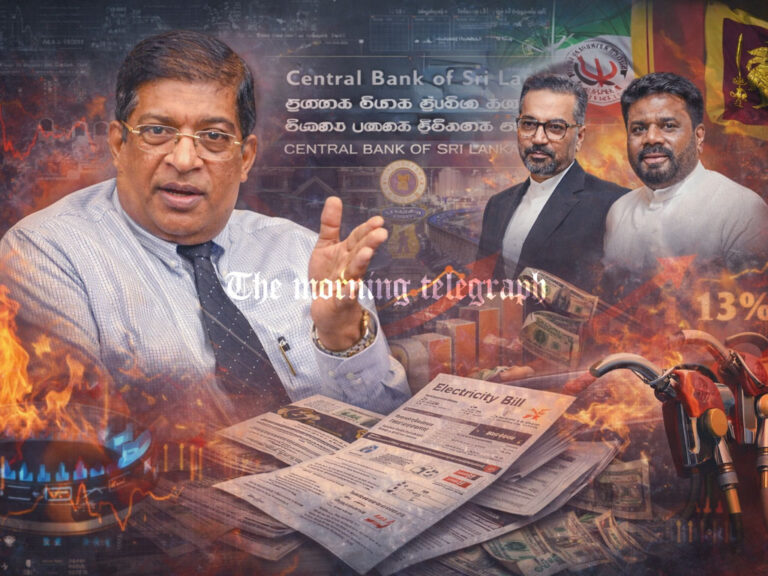
Sri Lanka has pulled off one of the sharpest fiscal adjustments in global history, winning cautious praise from the World Bank, but the question remains whether fragile gains can hold as poverty, debt, and public frustration test the country’s recovery.
Sri Lanka has made remarkable progress in stabilizing its fragile economy, according to the latest World Bank review. The bank describes it as one of the largest fiscal adjustments in the island’s history, equal to nearly 8 percent of GDP over just three years. By international standards, the speed and sharpness of this effort stand out. Out of more than 330 similar fiscal programs implemented across 123 countries since 1980, Sri Lanka’s recovery ranks among the fastest.
The review highlights that macroeconomic stability has now largely been restored, and Sri Lanka can cautiously consider a more balanced fiscal strategy moving forward. From 2021 to 2024, sharp fiscal reforms played a decisive role in halting the freefall that followed the 2022 economic collapse.

Revenue collection has been the centerpiece of this adjustment. Since 2022, the tax-to-GDP ratio has grown by 5 percentage points, reaching 12.3 percent in 2024. However, the World Bank warns that more than 75 percent of this gain has come from indirect taxes, which are regressive and disproportionately burden the poor. The bank’s analysis shows that Sri Lanka can still raise an additional 2 percent of GDP in revenue by 2029 without harming either growth or equity, provided it shifts toward fairer tax policies.
The review also emphasizes that spending must be smarter. With tight budgetary constraints, the government cannot afford reckless cuts or fresh spending sprees. Instead, officials need to better target funds to deliver maximum results, particularly for vulnerable households.
“Now that Sri Lanka has largely stabilized its economy, the challenge is to get better results from every rupee collected and spent,” said David Sislan, World Bank Country Director for the Maldives, Nepal, and Sri Lanka. “This means modernizing tax administration, focusing on direct taxes, and ensuring that public spending is efficient and equitable, especially for the most vulnerable.”
Lessons from the 2022 economic collapse
The review does not shy away from criticizing Sri Lanka’s past mistakes. Weak governance, low competitiveness, poor fiscal discipline, and flawed monetary policies created deep vulnerabilities that exploded into crisis in 2022. Years of fiscal mismanagement, risky commercial borrowing, and the devastating 2019 tax cuts crippled the state’s finances.
The crisis was compounded by external shocks: the 2018 political standoff, the 2019 Easter Sunday bombings, and the COVID-19 pandemic. By April 2022, foreign reserves had evaporated, leaving the country unable to pay for essential imports. Inflation surged, leading to severe shortages of food, fuel, and medicine. In April 2022, Sri Lanka defaulted on its foreign debt for the first time in its history, and the rupee lost 81.2 percent of its value in a single year.
The human toll was severe. The economy contracted by 7.3 percent in 2022, and households saw incomes collapse. Poverty more than doubled, rising from 11.5 percent in 2019 to 27.5 percent by 2023.
Revenue gains and the path ahead
Despite the hardships, tax collection has recovered. Revenue reforms have lifted collections to 12.3 percent of GDP in 2024, compared to the all-time low of 7.3 percent in 2022. Looking forward, the World Bank insists that Sri Lanka must maintain a tax-to-GDP ratio of at least 15 percent to sustain stability.
The bank recommends several steps:
- Expanding direct taxation, including minimum corporate income tax, while digitizing the tax system to improve transparency.
- Spending smarter by using existing funds more efficiently, particularly in frontline services like health and education.
- Streamlining public sector payroll systems, simplifying wage structures, and modernizing payment systems for government workers.
- Reprioritizing capital investments to close infrastructure gaps, while ensuring ongoing projects are completed on time and maintained.
- Strengthening social protection by better targeting welfare assistance toward the poorest households.
A fragile but hopeful outlook
Sri Lanka’s economic recovery remains fragile. While fiscal stability has been achieved, the structural weaknesses that created the 2022 meltdown remain deeply entrenched. Debt restructuring is not complete, poverty remains high, and the pressure to maintain reforms will test political leaders in the years ahead.
For now, the World Bank acknowledges Sri Lanka’s remarkable progress but warns that the next phase must focus on equity, efficiency, and resilience. Whether Colombo can transform this fragile stability into lasting growth will decide if the island escapes its cycle of boom and bust.