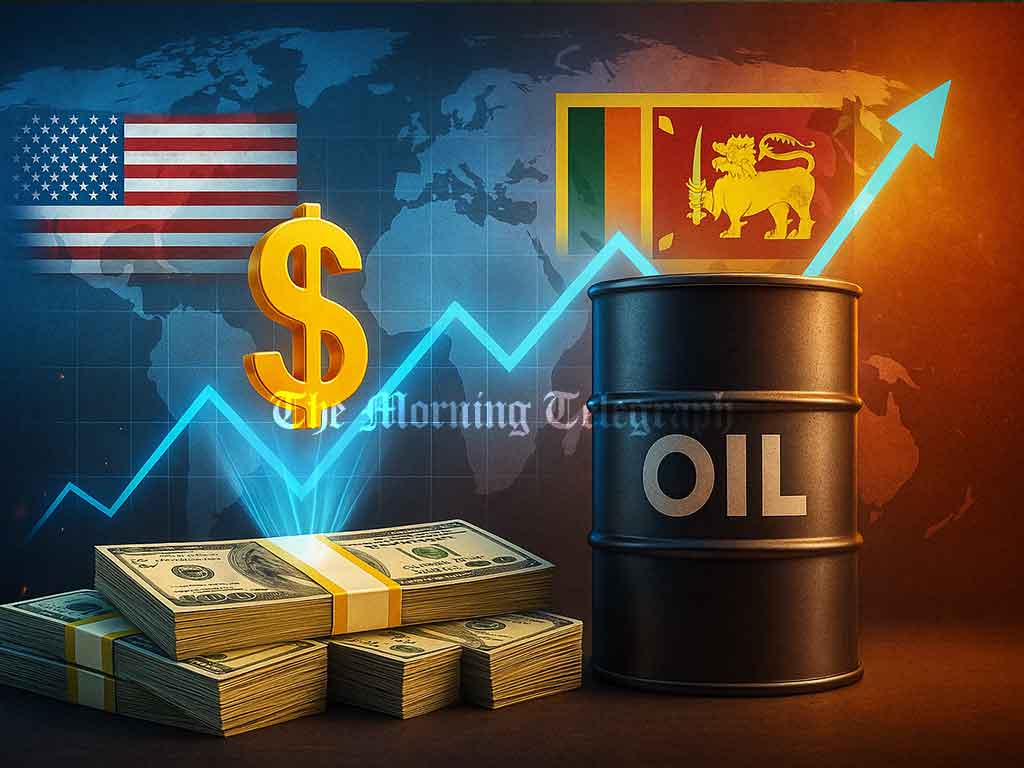
Sri Lanka is preparing to strike a major energy deal with the United States, paving the way for the import of two million metric tons of American crude oil annually. The move, seen as a strategic shift in the nation’s fuel procurement, could reshape its energy security while raising questions about cost, logistics, and long-term dependency.
The Ceylon Petroleum Corporation (CPC) has confirmed that tests on U.S. crude oil have been successfully completed in Sri Lanka, clearing the path for large-scale imports. According to CPC Chairman D. J. A. S. de S. Rajakaruna, the process will advance through a formal tender procedure scheduled to begin next month.
The plan aims to import around two million metric tons of crude oil from the United States every year, with annual expenditure estimated between $800 million and $900 million. The decision follows detailed discussions between Sri Lanka and U.S. tariff representatives, signaling deeper trade and economic cooperation between the two countries.

Rajakaruna noted that the price of West Texas Intermediate (WTI) crude oil, a benchmark product of the United States, remains lower than the global market average. However, he stressed that logistics will be a determining factor. “Although the price of WTI crude oil is lower than the world market price, shipping costs can be high. A company that offers a competitive price taking all these factors into account will have this opportunity,” he explained.
Energy analysts suggest that while the deal could help reduce Sri Lanka’s reliance on traditional suppliers, the heavy dependence on U.S. crude may expose the country to potential geopolitical risks and global market volatility. Questions remain about whether the cost savings from lower WTI prices will outweigh the high transportation expenses required to bring oil across continents.
The deal also underscores Sri Lanka’s urgent need to diversify its energy sources and stabilize fuel supplies after years of economic turmoil. With fuel prices directly impacting inflation and public confidence, the government is under pressure to ensure this agreement delivers tangible benefits to both the economy and consumers.
If finalized, this agreement could become one of the most significant energy procurement contracts in Sri Lanka’s recent history, marking a turning point in the country’s approach to energy security and international trade.