Retired Indian Navy Captain Alok Bansal slammed Sri Lanka’s arrest of former President Ranil Wickremesinghe as “unfortunate” and a political gamble that risks tearing open old wounds instead of stitching the nation back together. He warned that what Sri Lanka needs is reconciliation, not reckless moves that divide society further.
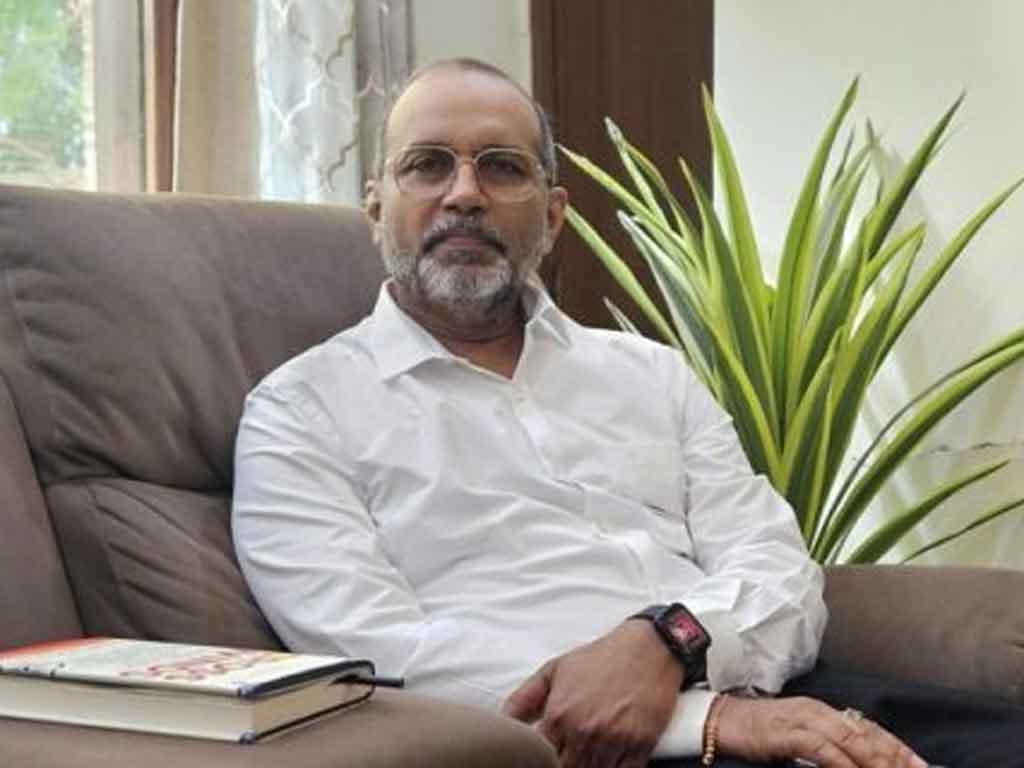
Retired Indian Navy Captain Alok Bansal, a strategic analyst and Vice President at the India Foundation, has labelled the arrest of former Sri Lankan President Ranil Wickremesinghe as “unfortunate” and a glaring example of political indecision. Speaking in an exclusive interview, he argued that locking up a former head of state on charges that appear “frivolous” to the international community only highlights weak governance and could plunge the nation into unnecessary instability.
“To me, putting a former leader or a former president into jail, at least on a charge which to the outside world looks quite frivolous, was not wise. It shows indecision,” Bansal said. He urged the Sri Lankan government to stop engaging in political score-settling and instead focus on reconciliation and unity, especially at a time when the country desperately needs strong, reconciliatory leadership.

Bansal’s perspective is informed by his years of experience with the Indian Peacekeeping Force (IPKF) in Sri Lanka, where he coordinated operations to counter LTTE infiltration. He stressed that inclusive governance is key to national stability, pointing to the role of the diaspora. “The diaspora is powerful and is still simmering. The least the government should do is to reach out to the diaspora. For any country to grow, you have to take everyone together,” he noted, highlighting the urgency for dialogue with all sections of society rather than political grandstanding.
Reflecting on Sri Lanka’s civil war, Bansal acknowledged that severe human rights violations took place in its final stages. However, he called for truth and reconciliation rather than punitive revenge politics. “Those who are guilty must be acknowledged as they are guilty. Whether they need to be punished, there should be at least truth and reconciliation. That’s essential for Sri Lanka’s social fabric,” he explained. He also pointed to symbolic steps taken by former LTTE leaders, noting, “KP is running an orphanage, at least there are some gestures which are needed to bring the society together now.”
Beyond his criticism of Wickremesinghe’s arrest, Bansal turned his attention to Sri Lanka’s structural weaknesses. He argued that the country cannot achieve long-term stability without meaningful reforms. He called for more effective federalism, proportional representation, and governance policies that truly empower provincial administrations. Such reforms, he stressed, would reduce ethnic tensions and lay the foundation for stronger democratic governance.
His comments serve as a stark reminder that Sri Lanka risks sabotaging its own progress by focusing on divisive political theatrics. Arresting former presidents may look like a show of strength, but Bansal suggests it is actually a sign of weakness — one that alienates communities, unsettles the diaspora, and invites international scrutiny. What the nation needs now is not another polarising move but a collective effort to strengthen its fragile social fabric through reconciliation, dialogue, and structural reform.
By ignoring these calls, Sri Lanka risks repeating the mistakes of the past. As Bansal made clear, the path forward is not paved with prison bars for political rivals but with policies that unite communities and rebuild trust.
SOURCE :- SRI LANKA GUARDIAN