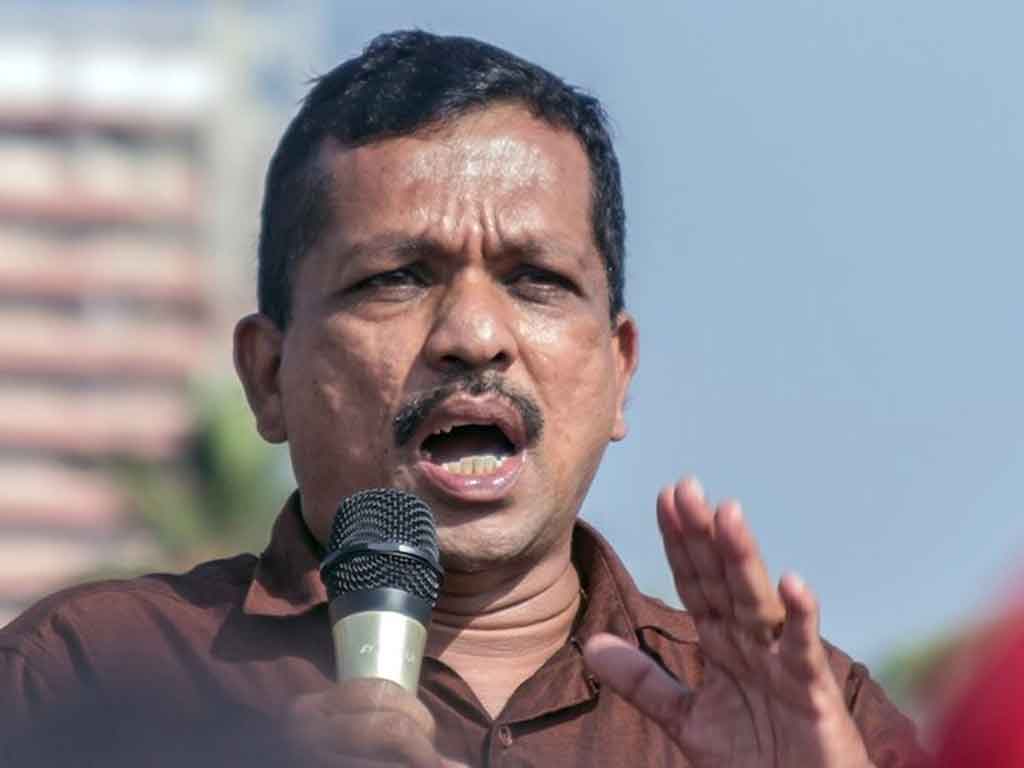
In a fiery leaked call, former union strongman and current mayor Ranjan Jayalal declared that he fears neither death nor law, claiming the army and police are in his hands, while brushing off corruption accusations as trade unions clash over the CEB restructuring.
A controversial audio recording of a heated telephone exchange between Kaduwela Mayor and former General Secretary of the Lanka Electricity Workers Union Ranjan Jayalal and a protesting CEB trade union leader has ignited uproar on social media.
In the conversation, Jayalal is heard making defiant and aggressive remarks over the government’s restructuring of the Ceylon Electricity Board (CEB). He repeatedly asserted, “We are not afraid to die, we are not afraid to be killed,” while going further to claim, “The army and the police are in our hands. We will not give the government for life. We will not give it back for what we took.”

Jayalal also rejected accusations of betrayal, insisting, “I did not buy this life to sell or give it back. I have not surrendered to any money. We do not believe in God.” When warned about potential legal consequences, he scoffed, “What legal action would be taken against a mayor?”
The union leader on the other side of the call did not hold back either, accusing Jayalal of betraying for money, claiming he had bent under pressure to “feed the children.” He alleged that Jayalal had first purchased a vehicle using money collected from workers, saying, “five hundred rupees each.” Branding him a “traitor,” the leader challenged Jayalal to take legal action if he dared.
Jayalal, unfazed, hit back with his own questions: “Who says the Electricity Board was sold? Where were you all during the last protests?” He ended the conversation by stating he would confront the union leader at his house, while also admitting that the entire call had been recorded.
The recording has sparked intense debate, with many questioning Jayalal’s claims of influence over the army and police and his fiery dismissal of accountability, while others criticize union leaders for their own credibility issues.