When gifts meant for a teenage celebration end up declared as political assets, the line between family milestones and public accountability blurs into controversy.
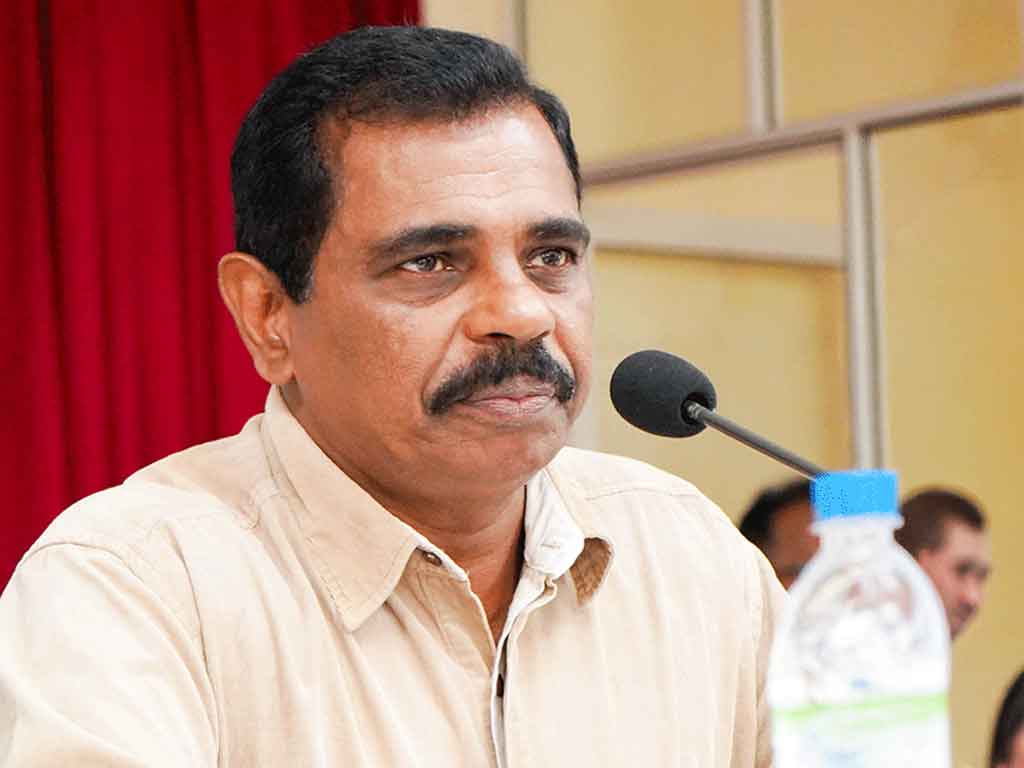
Deputy Minister of Vocational Education Nalin Hewage has stirred public debate after admitting that the money collected during his daughter’s “Big Girl Party” in January was deposited into his personal bank account and later declared as part of his official assets.
At a press briefing, Hewage openly defended his actions. “On January 1, there was the big girl party for my daughter who is in grade nine. I have recorded the money that people gave for that party. That is how I earned lakhs. I deposited that child’s money in the bank. I still have the envelopes in which it was received,” he said.

The statement has raised eyebrows, with critics questioning whether such personal gifts should be categorized under a politician’s financial disclosures. Hewage, however, insisted he has nothing to hide. He argued that his lifestyle was not funded by politics but by his own hard work. “We are not the same beggars. Before I came to this business, I had a degree and worked as a government teacher. It was at that time that I bought this ten-perch house. At that time, a perch was bought for Rs. 25,000,” he explained.
To further emphasize his honesty, the Deputy Minister said he personally constructed most of his house, noting, “Except for one or two cement bags, everything else was fixed to that house with my own hands.”
But the controversy remains: should family celebration gifts be turned into political assets? For a country grappling with corruption and transparency issues, Hewage’s unusual disclosure has triggered heated debate on what exactly counts as legitimate wealth for public officials.