Lal Kantha insists he has no financial struggles and nothing to hide, calling for equal enforcement of the law on ill-gotten wealth while defending his own assets.
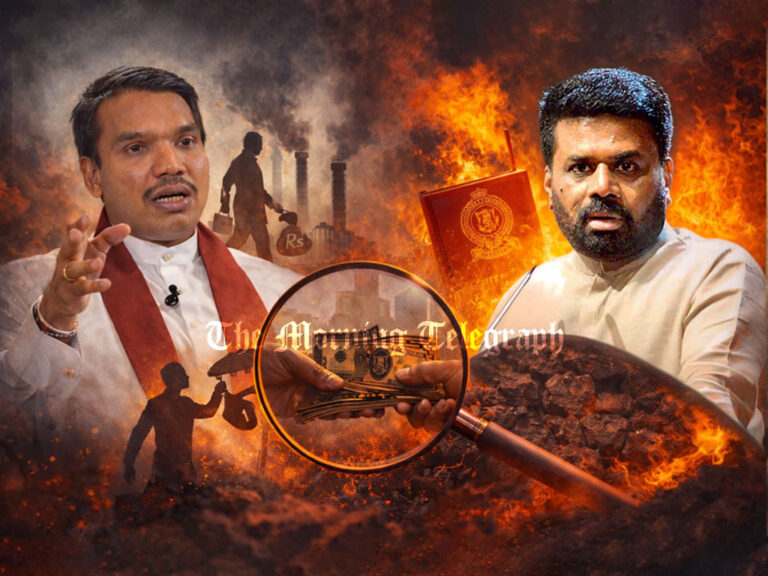
Minister K.D. Lal Kantha has made a bold statement on the growing controversy surrounding politicians’ assets, asserting that he is a wealthy man with no economic problems and has never denied owning property. His remarks come in the wake of Deputy Minister Nalin Hewage’s recent claim that “those with money are thieves,” which sparked widespread debate about corruption and political wealth in Sri Lanka.
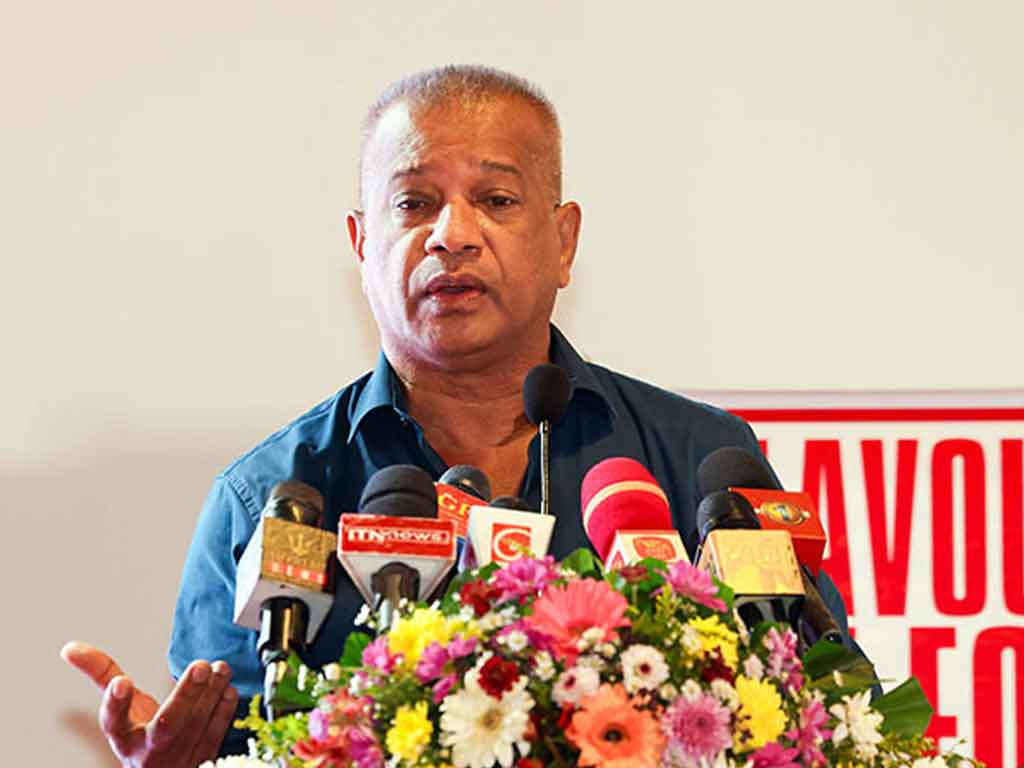
Speaking to journalists, Lal Kantha emphasized that he has always been transparent about his personal assets. “I have been asked that question all my life and I have said that I have assets. That I have land. That I have houses. There has never been such a problem. Not today either. I don’t know about tomorrow,” he said. The minister stressed that not everyone in politics is a thief and rejected attempts to paint all politicians with the same brush.

Lal Kantha admitted to owning multiple properties, including lands and houses, but clarified that these assets were legally acquired. He firmly rejected any suggestion that he had attempted to hide wealth or mislead the public. His statement comes at a time when public confidence in political leaders is under strain, with allegations of corruption dominating headlines.
The minister went further by demanding that strict legal action be taken against politicians who cannot justify their wealth. “Those who cannot prove how they earned it can be brought to justice. Illegally earned assets must be confiscated,” he stated, adding that common law should apply equally to everyone, regardless of their political or social status.
Lal Kantha also highlighted the progress made under the current administration in strengthening accountability. He noted that cases of misuse of public property are now surfacing because of a “culture of law enforcement for all.” According to him, this is a turning point where no one can escape scrutiny simply by hiding behind political privilege.
He acknowledged that allegations against politicians have damaged public trust but insisted that not all leaders fall into the category of corruption. “Not everyone who is involved in politics is a thief. Not someone who has earned money illegally,” he said, pushing back against generalizations that portray all political figures as dishonest.
Lal Kantha’s statements serve as both a personal defense and a call for accountability. By openly acknowledging his assets and stressing his lack of economic difficulties, he has attempted to set himself apart from politicians accused of enriching themselves at the expense of the people. His challenge to apply the law equally across the board, regardless of political affiliation, could resonate with citizens demanding greater transparency in governance.
As Sri Lanka continues to grapple with corruption scandals and questions of political accountability, Lal Kantha’s remarks may fuel further debate. Whether his stance is seen as credible transparency or political positioning will likely depend on the government’s willingness to pursue meaningful investigations into ill-gotten wealth across party lines.