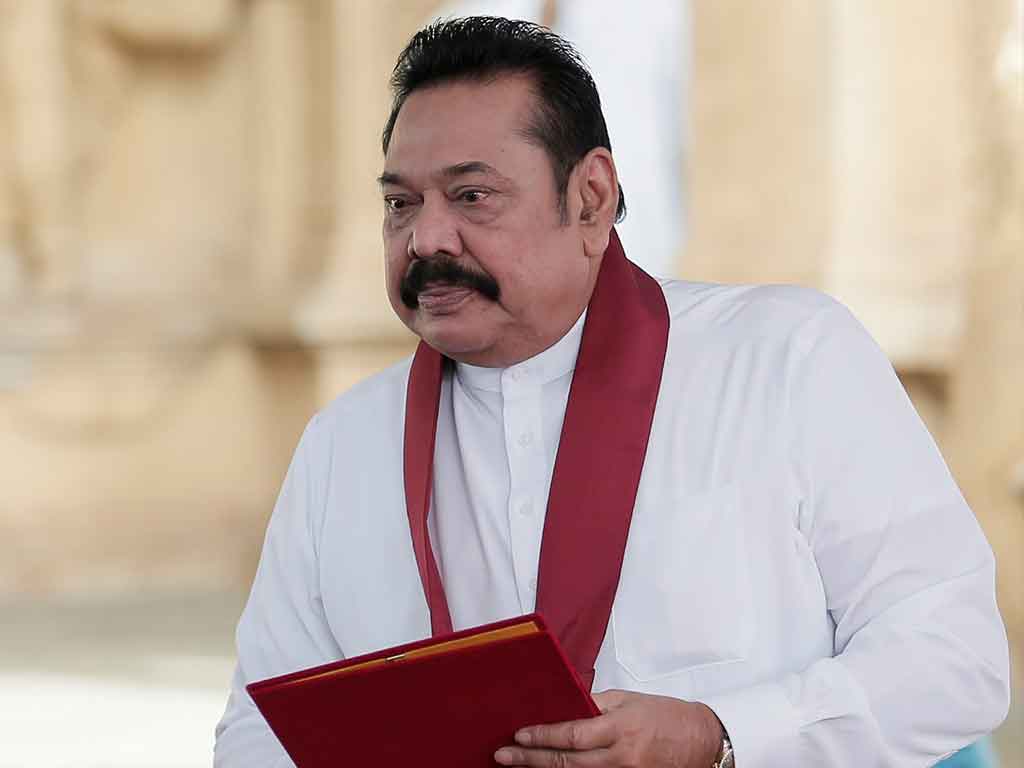
Rajapaksa’s presidency is remembered as an era of bold ambition, sweeping transformation, and unprecedented infrastructure development that continues to shape Sri Lanka’s economy, tourism, and global positioning.
When Mahinda Rajapaksa assumed the presidency of Sri Lanka in 2005, the nation was grappling with two formidable challenges. On one hand, the country was embroiled in a long and devastating civil conflict that had drained its resources and stifled national unity. On the other, decades of underinvestment in critical infrastructure had left the island lagging behind in trade, logistics, education, and healthcare.
Rajapaksa is most often remembered for presiding over the end of the war in 2009, but his legacy extends far beyond the battlefield. His decade-long presidency from 2005 to 2015 was characterised by an ambitious national development strategy that reshaped the island’s physical and economic landscape. Ports, expressways, airports, power stations, schools, hospitals, and monumental cultural projects initiated under his leadership transformed Sri Lanka’s capacity for growth.
His long-term vision was to modernise Sri Lanka, decentralise economic opportunity, reduce Colombo’s dominance as the sole hub, and prepare the nation for deeper integration with global trade and tourism networks.

Ports, Airports, and Urban Ambitions
Among the most visible projects of Rajapaksa’s presidency were the Hambantota Port and the Mattala Rajapaksa International Airport, two symbols of his determination to create new gateways for development in the less-privileged south.
Hambantota Port, built with Chinese financing, was intended to harness Sri Lanka’s strategic location along the busy East–West shipping route. Its positioning made it a potential logistics hub for maritime trade between Asia, the Middle East, and Europe. Meanwhile, the Mattala Airport, inaugurated in 2013, gave the island its second international airport, easing the burden on Colombo’s Bandaranaike International Airport and laying the groundwork for an expanding tourism sector.
Critics often highlight the slow commercial uptake of these facilities, but Rajapaksa’s defenders point to international precedents such as Singapore’s Changi Airport and Dubai’s Jebel Ali Port, which also required years before yielding full returns. Rajapaksa’s approach reflected a long-term perspective, recognising that infrastructure projects of this scale are generational investments rather than immediate profit-makers.
During this period, Rajapaksa also initiated the Colombo Port City, a vast land reclamation project envisioned as a financial hub, commercial district, and luxury residential centre. The project, backed by Chinese investment, was expected to create 200,000 jobs in its first five years and remains one of Sri Lanka’s most ambitious urban undertakings.
Roads, Connectivity, and Rural Development
Before 2005, Sri Lanka lacked even a single expressway. Rajapaksa’s administration changed this narrative, launching transformative projects such as the Colombo–Katunayake Expressway (2013) and the Southern Expressway, which drastically cut travel times and boosted logistics for tourism and trade.
His administration also prioritised rural connectivity through programmes like Maga Neguma and Gama Neguma, which upgraded thousands of kilometres of village and secondary roads. Iconic bridges were constructed during this period: the Manampitiya Bridge (2007) with Japanese support and the Irakkandi Bridge (2009) with Saudi financing. These investments not only improved transport but also embodied a consistent philosophy—loan-funded but strategic infrastructure designed to integrate provinces and empower rural economies.
Energy Security and Water Management
Energy security formed another cornerstone of Rajapaksa’s vision. Major power plants, such as the Upper Kotmale Hydropower Plant (2013) and the Norochcholai Coal Power Plant (completed in stages by 2014), significantly boosted the national grid. By 2014, rural electrification had reached over 97% of households, bringing modern conveniences to remote communities.
Projects like the Uma Oya Multipurpose Development Project, launched in 2010, combined irrigation, drinking water provision, and a 120 MW hydropower plant that diverted water from the central highlands to the arid southeast. Meanwhile, renewable energy made significant strides with the Baruthankanda Solar Plant (2015), Sri Lanka’s first utility-scale solar facility, capable of powering 15,000 homes.
These initiatives marked the beginning of a diversified energy policy that aimed to balance traditional fossil fuel power with renewable sources, ensuring long-term sustainability.
Modern Markets, Sports, and Cultural Projects
Rajapaksa’s development drive also extended into modernising urban markets and cultural landmarks. The Central Fish Market Complex at Peliyagoda, inaugurated in 2011 with support from the Asian Development Bank, replaced the outdated Pettah fish market with a modern facility offering cold storage, laboratories, and logistics services.
Sporting infrastructure was given priority too. The Mahinda Rajapaksa International Cricket Stadium in Sooriyawewa, completed in 2011 with a capacity of 30,000, symbolised his ambition to place Sri Lanka on the global sporting map.
Cultural projects were equally significant. The monumental Sandahiru Seya, initiated in 2010, honoured fallen war heroes and today stands as one of the largest religious structures built in Sri Lanka. These projects blended cultural pride with national identity, underlining his vision of Sri Lanka as a modern yet historically rooted nation.
Education and Healthcare
Education reforms under Rajapaksa included the establishment of 1,000 new secondary schools and 1,000 Mahindodaya Technological Laboratories equipped for science and IT learning. Plans for 60 new university hostels were launched to accommodate 24,000 students, while over 56,000 teachers were recruited between 2005 and 2012.
The compulsory schooling age was raised from 14 to 16 years, aligning Sri Lanka more closely with international standards.
Healthcare also advanced. Japanese support enabled the deployment of 124 ambulances and the upgrading of four secondary hospitals. These measures aimed to strengthen responses to rising non-communicable diseases while improving nationwide emergency care.
Geopolitical Strategy and Global Integration
Rajapaksa recognised Sri Lanka’s geographic advantage at the heart of the Indian Ocean. He supported China’s 21st Century Maritime Silk Road initiative, aligning national projects like Hambantota Port with wider regional trade networks.
This strategy attracted foreign investment and positioned Sri Lanka within the broader geopolitical contest between global powers. His alignment with China strengthened economic ties but also drew criticism over mounting debt dependency. Nonetheless, the approach undeniably elevated Sri Lanka’s standing in the global arena.
Transformation by 2015
By the time Rajapaksa left office in 2015, Sri Lanka had undergone a remarkable transformation. Expressways, ports, airports, power plants, schools, and healthcare facilities had been completed at a pace unseen in earlier decades.
While critics decried the rising external debt and instances of under-utilisation—such as Mattala Airport being dubbed the “world’s emptiest airport”—these projects were nonetheless long-term investments designed to strengthen trade, tourism, and national resilience.
Rajapaksa’s presidency highlighted the dilemma faced by many developing nations: borrowing to finance the infrastructure needed to compete globally, despite the risks of debt dependency.
Legacy of Ambition and Transformation
Mahinda Rajapaksa’s presidency was ultimately defined by ambition and transformation. His relentless drive to modernise Sri Lanka reshaped its physical and economic landscape. Investments in transport, energy, education, healthcare, culture, and global connectivity laid the foundations for a new era of growth.
While debates over costs, debt, and prioritisation continue, the assets created during this period remain central to Sri Lanka’s economy and tourism industry. The true value of Rajapaksa’s initiatives may not be measurable within a few short years but across generations.
His era represents a pivotal chapter in Sri Lanka’s development story—a time when the nation bet on large-scale infrastructure, borrowed for growth, and sought to secure its place in the modern global economy.