Once courted by Moscow with scholarships and nuclear power projects, Sri Lanka’s Janatha Vimukthi Peramuna (JVP) now views Russia with caution, favouring China’s embrace while balancing ties with Washington in a shifting global power game.
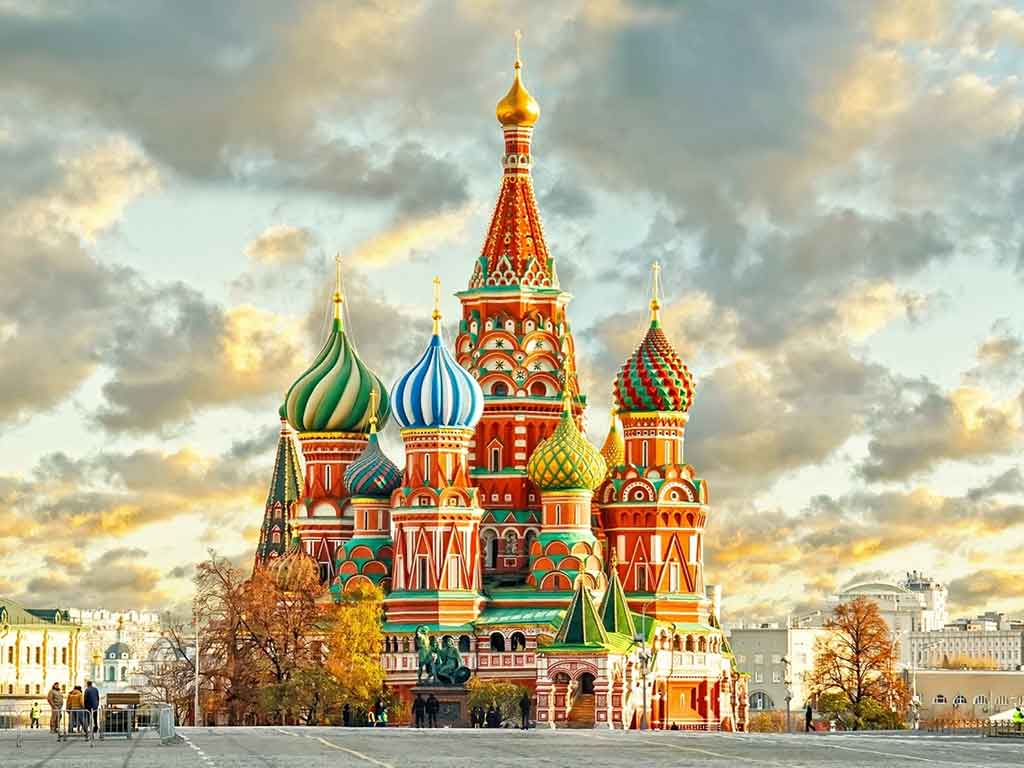
Sri Lanka’s geopolitical landscape has become increasingly complex as the United States, India, China, and Russia compete for influence over the island’s energy sector. Recently, Russia reiterated its longstanding interest in establishing a nuclear power plant in Sri Lanka, with the Russian ambassador publicly stating that Moscow hopes to pursue discussions with the Minister of Power in the near future.
This proposal is not new. Russia first introduced the idea during Ranil Wickremesinghe’s government, envisioning a major foothold in Sri Lanka’s energy development. Moscow may have assumed that a left-leaning JVP administration would be more open to advancing such cooperation than the pro-American Wickremesinghe government. However, these expectations were quickly tested when JVP leader Anura Kumara Dissanayake declined an invitation from the Russian President to attend the BRICS summit. The refusal sent a clear message: the JVP is wary of deepening ties with Moscow, preferring to keep its options open with Washington while maintaining its traditional closeness to Beijing.

The cautionary approach is rooted in history. The relationship between Russia and the JVP stretches back to the party’s founding years under its leader Rohana Wijeweera. In 1960, Wijeweera applied for a scholarship to study medicine at the Patrice Lumumba Peoples’ Friendship University in Moscow, supported by a Communist Party leader. However, his experience in the Soviet Union ended bitterly. Falling ill in 1963, he was hospitalised, and doctors advised that his health was unsuited to continuing studies. Later allegations suggested that he had clashed with Soviet authorities over ideology, which may have led to his deportation.
When Wijeweera returned to Sri Lanka, he developed a strong hostility towards Soviet communism and instead promoted Chinese communist ideology. This ideological turn influenced the JVP’s orientation for decades to come. Moscow, meanwhile, built close ties with rival leftist parties in Sri Lanka, especially those aligned with Sirimavo Bandaranaike’s government. During the 1971 JVP rebellion, the Soviet Union supported Bandaranaike’s administration and even provided funding to other leftist factions during elections, further straining the JVP’s relationship with Moscow.
This history of mistrust has shaped the JVP’s modern political outlook. While China became a natural ally, offering ideological alignment and economic engagement, Russia remained at a distance. The memory of Wijeweera’s animosity toward Soviet communism, combined with Moscow’s ties to rival parties, left the JVP sceptical of building strong partnerships with Russia.
In today’s context, the JVP’s suspicion of Russia may not stem solely from historical grievances but also from practical geopolitical calculations. The party recognises that aligning too closely with Moscow could strain Sri Lanka’s relations with Washington at a time when U.S. influence remains critical for financial assistance, trade, and diplomatic legitimacy. For this reason, the JVP government appears to be hedging its bets: maintaining strategic proximity to China, where ideological comfort and economic incentives lie, while keeping Russia at arm’s length to avoid provoking the United States.
Sri Lanka’s JVP thus finds itself navigating a delicate balancing act in foreign policy. Moscow’s offers of nuclear power and scholarships may once have seemed attractive, but the realities of Cold War rivalries, ideological divides, and present-day global tensions ensure that Russia is kept at a cautious distance. For the JVP, pragmatism dictates that the embrace of China and measured cooperation with Washington outweigh the risks of leaning too far towards Moscow.