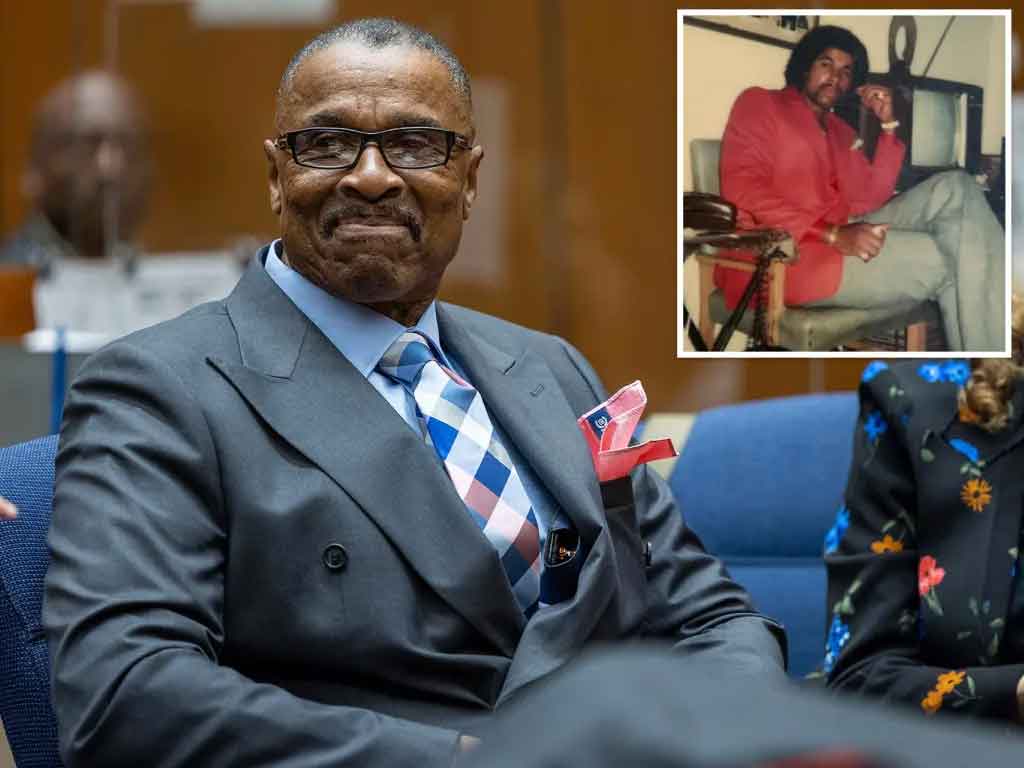
Maurice Hastings spent 38 years in prison for a murder he didn’t commit. Now, at 72, he has won a record $25 million settlement, the largest in California’s history, after DNA evidence exposed police misconduct and cleared his name. His case is a stark reminder of how justice delayed can destroy lives, and how wrongful convictions carry devastating human and financial costs.
A California man who spent nearly four decades in prison for a crime he did not commit has been awarded $25 million, the largest wrongful conviction settlement in the state’s history. Maurice Hastings, now 72, was convicted in 1983 of the sexual assault and murder of Roberta Wydermyer, who was killed by a gunshot to the head. He was sentenced to life without parole and spent 38 years behind bars before DNA evidence proved his innocence.
The lawsuit alleged that two Inglewood police officers and a Los Angeles District Attorney investigator deliberately framed Hastings. While Hastings said no amount of money could restore the years he lost, he welcomed the settlement as the end of his long fight for justice. Lawyers representing the defendants and the city declined to comment.

For decades, Hastings maintained his innocence and requested DNA testing on evidence collected during the victim’s autopsy. In 2000, prosecutors denied his request. It was only in 2021, through the district attorney’s Conviction Integrity Unit, that DNA testing was conducted, proving the biological evidence did not belong to him. The DNA profile instead matched Kenneth Packnett, a man convicted in another violent crime with striking similarities to Wydermyer’s killing. Police had arrested Packnett just weeks after the murder, finding items belonging to the victim in his possession, but he was never investigated for the crime. Packnett later died in prison in 2020.
In 2022, Hastings’ conviction was overturned, and in 2023, a California judge officially declared him factually innocent. Today, Hastings lives in Southern California, where he is active in his church community. His attorney, Nick Brustin, said the case highlights the severe consequences of police misconduct and urged law enforcement agencies to recognize the costly impact of wrongful convictions.