Prime Minister and Education Minister Harini Amarasuriya has declared that Sri Lanka’s children deserve discipline without violence. Introducing a landmark amendment to protect minors from physical and mental torture, she insists society must abandon outdated practices and embrace creative, positive methods of guidance.
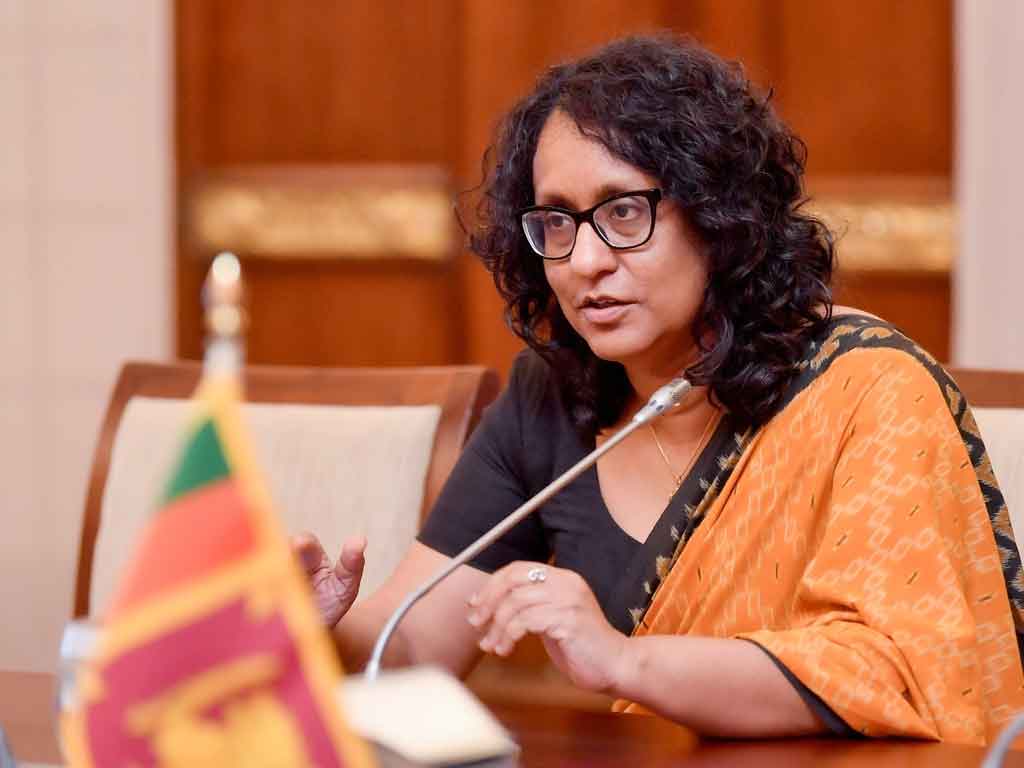
Prime Minister and Minister of Education, Higher Education and Vocational Education, Dr. Harini Amarasuriya, has underscored the urgent need to end physical and mental torture against children in Sri Lanka. Speaking at a special program organized at the Ministry to educate principals of national schools about new legal provisions, she clarified that the latest bill is not aimed solely at schools or teachers but is a comprehensive amendment designed to safeguard all children in society.
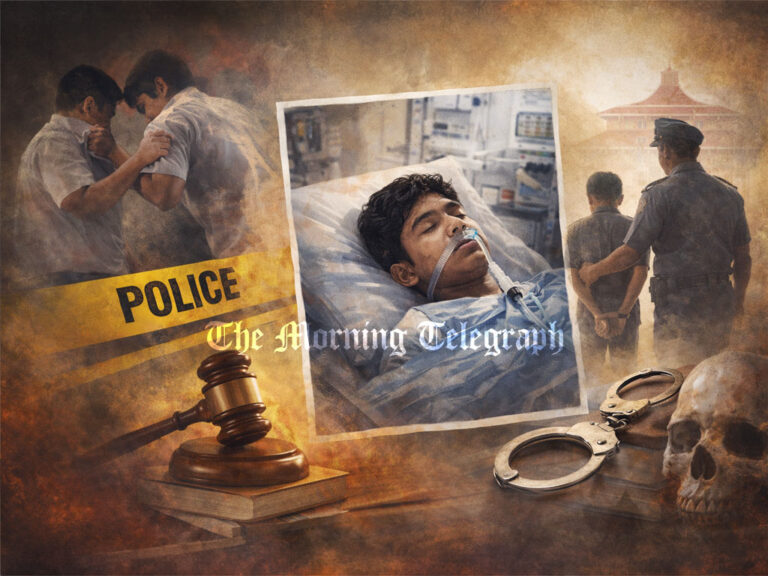
“This is not just a school issue,” Dr. Amarasuriya said. “This amendment covers children in police custody, those in institutional care, abandoned children and others who are often at risk of abuse. The law is about ensuring safety, security, and dignity for every child.”

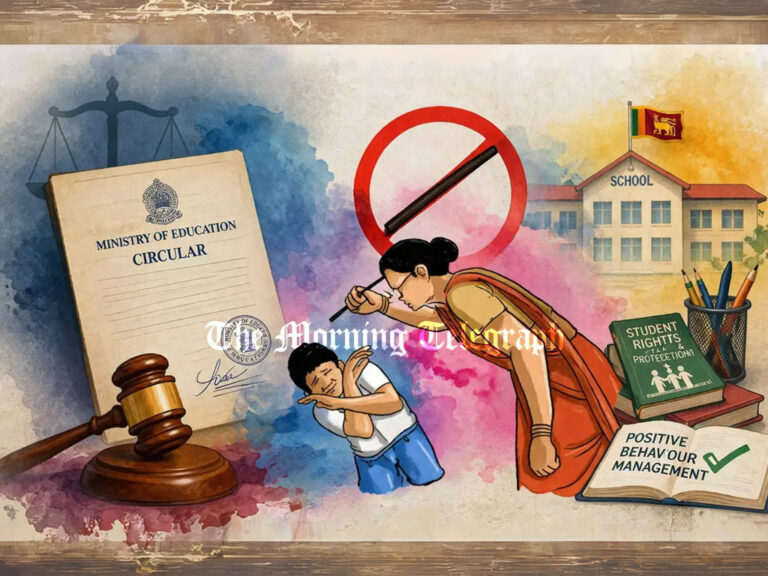
The Prime Minister emphasized that the amendment does not ban discipline but firmly rejects harmful methods. “Discipline is essential, but breaking children physically or mentally is not the way forward. There are many creative ways to correct mistakes without embarrassment, torture, or pressure,” she noted. To encourage alternatives, the Ministry of Education will organize workshops across the country to promote positive discipline practices in schools and institutions.
Dr. Amarasuriya also connected the issue to a wider social crisis. She pointed to the alarming rise in domestic violence, stressing how violence has become normalized in family life, schools, hostels, and even religious spaces. “We live in a society where even minor forms of harassment have escalated to unbearable levels for children today. If violence continues to be the main tool for resolving conflicts, it raises serious concerns about our values as a nation,” she warned.
Highlighting the long-term vision of the reform, the Prime Minister insisted that this amendment is about building a more developed and civilized society. “We must create a future where children are protected, nurtured, and disciplined with compassion. Positive methods of discipline ensure accountability without abuse. This is about shaping a better Sri Lanka for the next generation.”
The bill represents a major shift in Sri Lanka’s approach to child rights, aligning the country with global standards on protecting minors from cruelty. By rejecting physical punishment and encouraging responsible guardianship, the government aims to tackle the deep-rooted culture of violence while fostering safer environments for learning and growth.