India lifted their ninth Asia Cup title in a tense final against Pakistan, powered by Tilak Varma’s nerveless 69*, but the celebrations turned dramatic when the team refused to accept the trophy from Asian Cricket Council president and Pakistan minister Mohsin Naqvi, sparking a diplomatic storm that overshadowed one of cricket’s greatest rivalries.
The Asia Cup 2025 final in Dubai promised high drama, and it delivered far more than cricketing fireworks. India sealed their ninth Asia Cup crown in stunning fashion, with young Tilak Varma anchoring a tense chase under immense pressure. Yet the cricketing spectacle was overshadowed by extraordinary scenes at the presentation ceremony, as the Indian team refused to accept the trophy from Asian Cricket Council (ACC) president Mohsin Naqvi, who also serves as Pakistan’s Interior Minister and PCB chairman.

A Final Worth the Wait
Chasing 147 against Pakistan’s fiery attack, India were reeling at 20 for 3. With the crowd silenced and Pakistan smelling blood, Tilak Varma absorbed the pressure with unflappable composure. His unbeaten 69 off 58 balls, laced with precision timing and a decisive six in the 19th over, guided India to 150 for 5 and a five-wicket win. Shivam Dube’s 33 off 22, including two clutch sixes, provided vital support as the duo stitched together a match-winning partnership.
Pakistan, meanwhile, had imploded after a strong start. Sahibzada Farhan and Fakhar Zaman combined for 103 runs, but India’s spinners ripped through the middle order. Kuldeep Yadav claimed 4 for 30, Axar Patel struck twice, and Pakistan collapsed from 107 for 1 to 146 all out. Nine wickets tumbled in the final 10 overs, exposing Pakistan’s overreliance on slogging under pressure.
A Trophy Rejected
But the night’s biggest drama came after the cricket had ended. With the stage set for the trophy ceremony, the Indian players remained on the field, but the presentation was delayed for nearly an hour. When officials finally moved the Asia Cup trophy onto the dais, speculation swirled that the Indians would not accept it if presented by Naqvi.
Those rumors proved true. BCCI secretary Devajit Saikia confirmed India’s stance: “We have decided not to take the Asia Cup trophy from the ACC chairman, who happens to be one of the main leaders of Pakistan. This is very unfortunate, and we will lodge a strong protest at the ICC conference in November.”
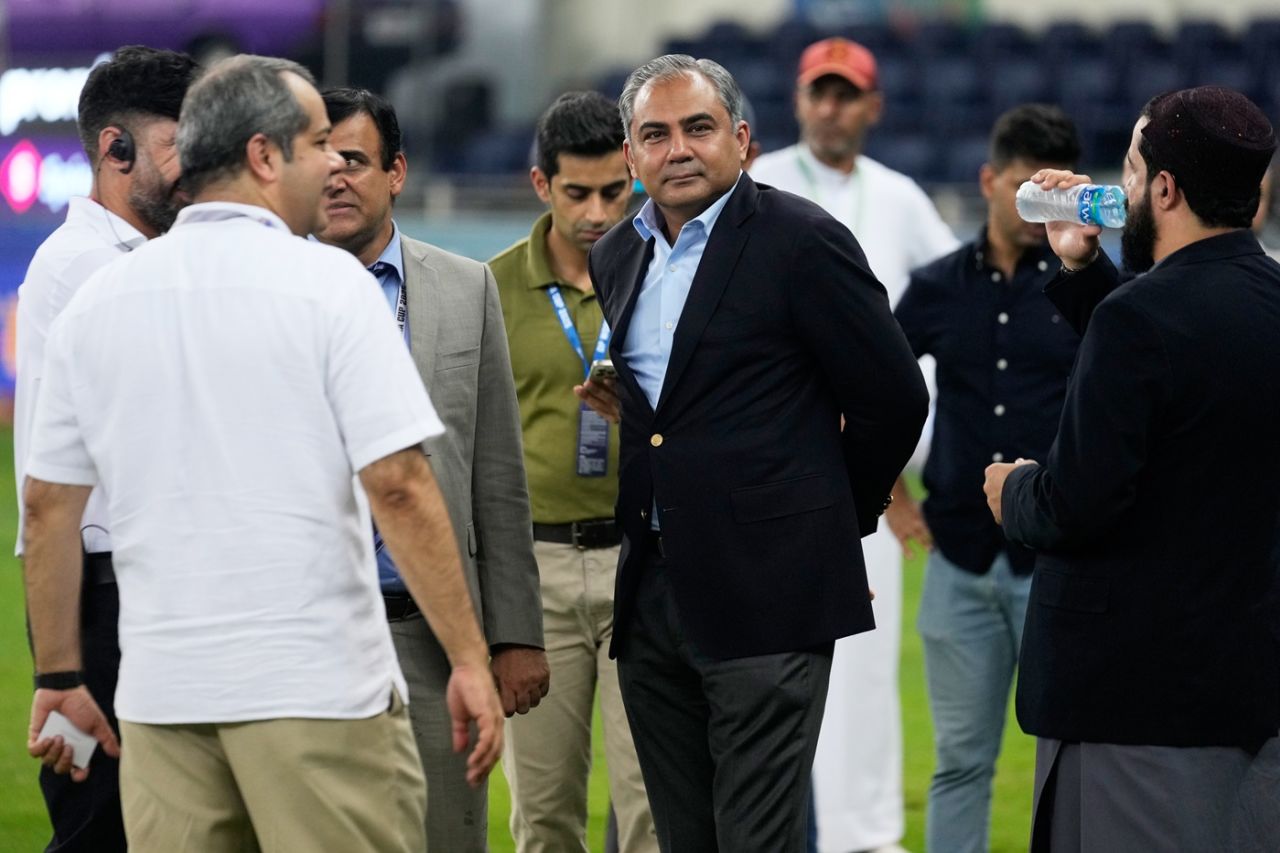
When the ceremony began, individual awards were handed out to Indian players, but always by other dignitaries, never by Naqvi. Pakistan captain Salman Agha, however, accepted the runners-up cheque directly from him. Then, in surreal scenes, the Asia Cup trophy was quietly removed from the stage without explanation. India’s champions were left lifting an “imaginary” trophy as part of their on-field celebrations.
Suryakumar Yadav Speaks Out
India captain Suryakumar Yadav described the snub as unprecedented. “I have never seen anything like this. A champion team denied its trophy, that too after such a hard-fought tournament. For me, the real trophies are the 14 players and the support staff who stood together throughout this Asia Cup.”
Suryakumar made clear the decision came from the players themselves. “No one told us to do it. We took this call as a team.”
The gesture capped weeks of escalating tension between the two sides. Players refused handshakes in all three India-Pakistan encounters during the tournament, while verbal spats on the field highlighted the political undercurrents. Haris Rauf was fined for inflammatory gestures, while Suryakumar himself was sanctioned for comments after the first match.
Symbolism and Fallout
For India, refusing to accept the trophy from Naqvi was a political statement as much as a sporting decision. Relations between the two nations remain fraught after recent military tensions, and the symbolism of an Indian captain holding silverware presented by a Pakistani minister proved unacceptable.
The fallout is likely to dominate cricketing politics. The BCCI has already signaled its intention to raise the matter formally with the ICC. Meanwhile, Pakistan coach Mike Hesson and captain Salman Agha have criticized India’s stance, accusing them of undermining the spirit of the game.
Yet for Indian fans, the defiance added an extra layer of triumph. The sight of Tilak Varma celebrating with heart signs, Rinku Singh sprinting across the outfield, and the squad lifting an invisible trophy became instant memes across social media.
A Rivalry Like No Other
The final will go down as one of the most memorable in Asia Cup history, not only for the cricket but for the symbolism that surrounded it. On the field, Tilak Varma announced himself as a star for the future, displaying maturity and temperament beyond his years. Off it, India’s refusal to acknowledge the ACC president underscored how deeply cricket remains entangled with geopolitics on the subcontinent.
The 41-year wait for an India-Pakistan Asia Cup final ended with a match of extraordinary intensity, capped by a controversy that will echo long after the trophy itself is eventually delivered to the rightful winners.
For now, India’s players will remember the night they beat Pakistan against the odds, celebrated like champions, and sent a defiant message that resonated far beyond cricket.