Sri Lanka’s highest Buddhist clergy have issued a rare and strongly worded letter to President Anura Kumara Dissanayake, warning that state-backed promotion of homosexuality and misguided policy reforms could erode the nation’s cultural foundation, moral values, and social stability.
The Mahanayake Theros of Sri Lanka’s Four Nikayas have written directly to President Anura Kumara Dissanayake voicing strong opposition to what they describe as “short-sighted government policies” that risk undermining the country’s moral framework. The senior monks argue that the use of state machinery to promote homosexual tourism and amendments to the Penal Code related to corporal punishment are steps that threaten to erode Sri Lanka’s cultural identity and traditional values.

In their letter, the chief prelates stressed that governance cannot be built on narrow or imported ideologies that neglect the island’s historical heritage and philosophical traditions. They warned that policies disregarding Buddhist moral principles could lead to a breakdown of societal order and unleash deeper social crises.
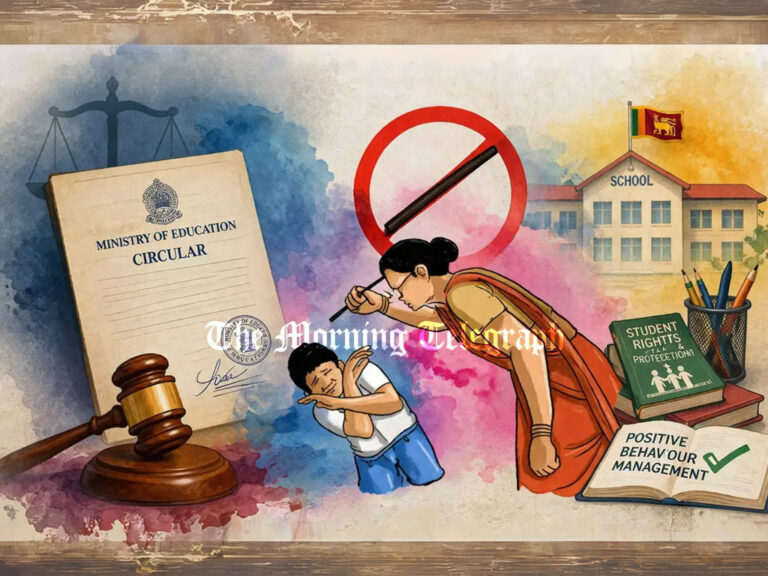
The Theros specifically cited the proposed changes to Section 82 of the Penal Code on corporal punishment and the Tourism Development Authority’s efforts to highlight homosexual tourism as examples of decisions that could destabilize the country. They argued that such moves not only clash with the nation’s cultural values but also risk provoking unnecessary divisions within society.
Highlighting the President’s frequent emphasis on the relevance of Buddhist philosophical values in shaping sustainable social development, the monks urged him to remain steadfast in protecting these principles. They insisted that moral guidance rooted in religion and culture is essential for maintaining harmony in a multi-ethnic, multi-religious society.
The letter calls for immediate corrective steps to prevent what they term “immoral acts” from gaining state endorsement. The prelates emphasized that the government’s responsibility is not merely to pursue economic growth or international recognition but to safeguard the moral and cultural foundations of Sri Lanka.
Their appeal underscores growing friction between traditional religious leadership and the government’s attempts to modernize laws and diversify tourism markets.