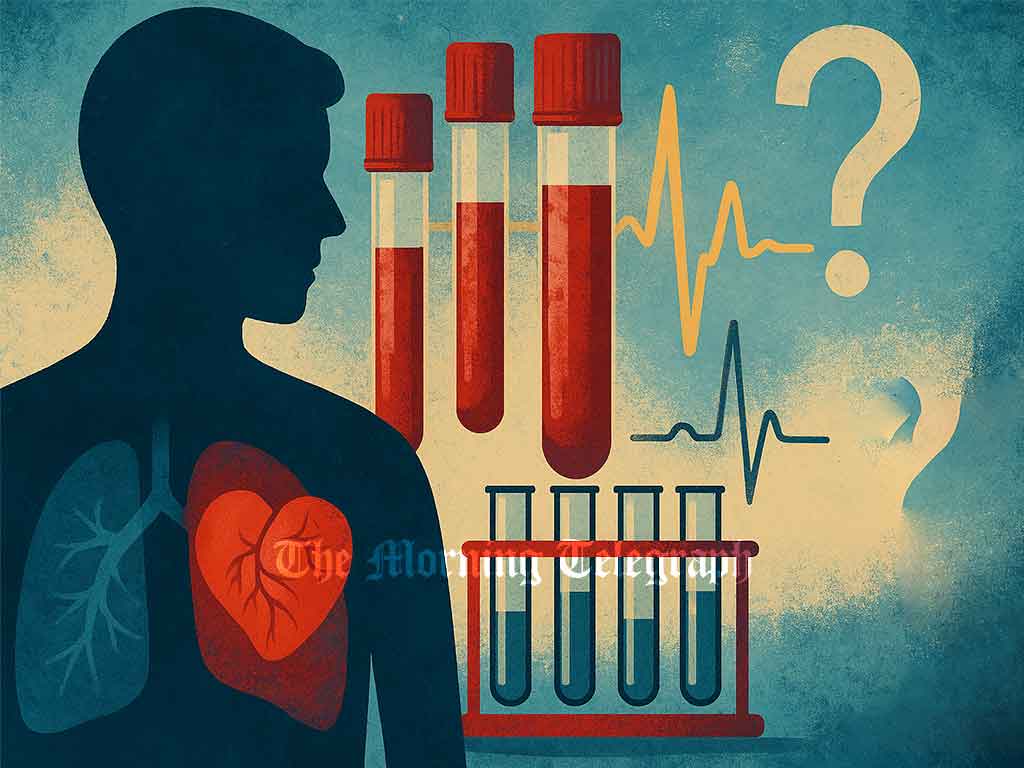
Allegations have surfaced that vital laboratory tests in Sri Lanka’s government hospitals are being deliberately stalled, forcing patients into costly private labs. Medical unions warn this may be part of a hidden agenda to privatize critical health services.
The All Ceylon Medical Laboratory Scientists Association has raised alarm over what it describes as a deliberate plan by certain officials in the Ministry of Health to outsource a significant number of laboratory tests from government hospitals to the private sector. Speaking at a media briefing in Colombo, the union claimed that patients are already suffering from the consequences of these disruptions.
Wasantha Gunawardena, General Secretary of the association, highlighted that many crucial laboratory services at the Colombo National Hospital have been paralyzed since September 2024 due to treatment orders not being placed on time. This failure has directly affected thousands of patients who rely on affordable government healthcare.

Among the most concerning disruptions is the suspension of complete liver tests and the halting of the critical ‘Troponin I’ test, essential for diagnosing and managing heart patients. Gunawardena revealed that while the test could be performed at a government hospital for around Rs. 2,000, patients are now forced to seek private labs, where the same test costs a staggering Rs. 7,400.
The association alleges that these shortages are not accidental but are being artificially engineered by officials with vested interests in pushing services into private hands. Such a shift, they argue, risks undermining the very foundation of Sri Lanka’s public health system, where millions of citizens depend on affordable care.
The union warned that if this trend continues, ordinary people will face unbearable medical costs, widening inequality in healthcare access. They urged immediate intervention to restore essential services, protect public hospitals, and prevent what they describe as a dangerous privatization agenda.
The unfolding controversy has sparked concern among both patients and medical professionals, with calls for transparency, accountability, and urgent corrective action from the government.