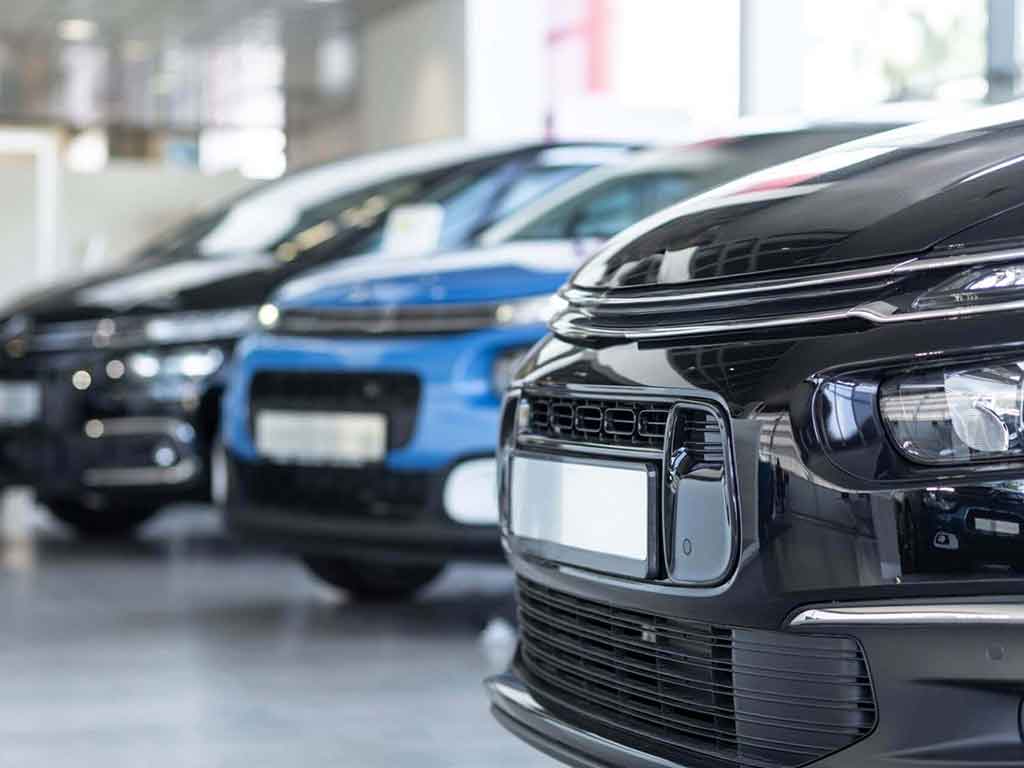
Eight months after Sri Lanka reopened its auto market, vehicle prices have begun to collapse as demand cools, buyers hesitate, and importers struggle under new rules and looming tax uncertainty.
It has been almost eight months since the Sri Lankan government lifted its five-year ban on vehicle imports, a policy reversal that was hailed as a relief for both buyers and dealers when it came into effect on January 28, 2025. For half a decade, Sri Lankans had faced an acute shortage of new vehicles, with the few available units being sold at inflated prices that left many families priced out of the market. When the gates were finally opened again, the reaction was immediate and dramatic. Buyers rushed into showrooms, importers flooded the market with shipments, and vehicle prices initially surged upward. Yet less than a year later, the same market is experiencing a surprising downturn, with prices falling sharply and importers struggling to keep their businesses afloat.

Vehicle importers who were once celebrating now admit that enthusiasm has cooled. Sameera Weerawarna, a veteran in the industry, described how cars once selling at around 10 lakh rupees have lost nearly half their value. A vehicle that cost 20 lakh rupees earlier in the year now goes for as little as 5 to 10 lakh rupees less. This price drop, he explained, is not merely a result of domestic market adjustments but also reflects falling auction prices in Japan, as Sri Lankan buyers scaled back their demand after the initial rush. When imports were first permitted, the backlog of demand meant every vehicle was snapped up quickly, pushing prices higher even for second-hand units. However, as the months passed, the urgency faded, and buyers became far more cautious.
Another importer, who preferred to be identified only as Lakshman, confirmed that the sharp fall in demand has been striking. In the first weeks after the import ban was lifted, phone calls from interested buyers came constantly, and vehicles were sold before they even left the port. But now, calls are sporadic, and many vehicles remain unsold for weeks or even months. Lakshman said that when he and others rushed to import large quantities early in the year, they were confident that the pent-up demand would absorb the supply. Instead, consumer interest dried up, leaving importers with excess stock that they are now forced to sell at losses just to recover part of their investment.
The affordability issue has proven to be the biggest hurdle. While prices have dropped, the cost of acquiring a brand-new car is still out of reach for most Sri Lankans. Lakshman explained that a government employee must have at least five million rupees in hand to consider purchasing a vehicle, and even if they turn to leasing options, the burden is too high under the current economic climate. There are no brand-new vehicles available under 50 lakh rupees, which has created a major disconnect between what consumers can afford and what is on offer in the market. Importers note that this mismatch is one of the main reasons why cars remain unsold despite the apparent fall in prices.
The government has compounded these challenges with new regulations. According to a Ministry of Finance directive issued on December 18, 2024, any imported vehicle must be registered with the Department of Motor Transport within ninety days of the customs declaration date. On the surface, the rule is intended to streamline registration and ensure accountability, but for importers it has created fresh problems. Lakshman admitted that he currently has eighteen unsold vehicles in his possession. To comply with the ninety-day rule, he was forced to sell one unit for one hundred thousand rupees less than the price he paid to bring it into the country. Without more buyers, he faces the risk of penalties for failing to register the vehicles within the required timeframe. Commissioner General of Motor Transport Kamal Amarasinghe confirmed that vehicles not registered within ninety days face a fine of three percent, and some importers have already paid the penalty.
Another factor dragging the market down is uncertainty over the upcoming national budget. Buyers are hesitant to commit to major purchases until they see whether taxes on vehicles will increase or decrease. According to Sri Lanka Vehicle Importers Association Secretary Prasad Kulatunga, this wait-and-see approach has paralyzed demand. Many consumers are hoping for tax reductions that would lower prices further, but there is an equal chance that taxes may rise, making vehicles more expensive. Kulatunga emphasized that current conditions actually make this a good opportunity for buyers, as prices have already fallen and could rise again with new taxes, but uncertainty has left most potential customers on the sidelines.
The shift has not gone unnoticed by ordinary Sri Lankans. For buyers, the fall in prices offers long-awaited relief after years of inflated costs. A young man named Minuka Lakshan said that prices dropping by five to ten lakh rupees has given consumers some hope of finally being able to buy a vehicle. He argued that importers had been making unlimited profits during the years of the ban and that a correction was long overdue. Another consumer, Ruwantha, who works in the public sector, expressed cautious optimism that the declining trend would eventually allow him to purchase even a modest second-hand car like an Alto, something he previously thought impossible.
At the same time, importers warn of financial strain. With large stocks sitting unsold, the risk of mounting fines and falling profits threatens their survival. Many are already selling below cost simply to move units and avoid penalties. The combination of weaker demand, high costs, and regulatory pressures could create a wave of financial instability in the auto sector. The Central Bank of Sri Lanka highlighted the importance of the industry in its latest external sector report, noting that vehicle imports in the first eight months of 2025 totaled 918 million US dollars. In August alone, imports for both private and commercial vehicles amounted to 249 million US dollars. These figures underscore the crucial role the automobile sector plays in Sri Lanka’s foreign trade balance and economic health.
The risks are not limited to dealers. For consumers, the danger lies in waiting too long. If the budget introduces higher taxes, the current window of affordability could close quickly. If taxes increase sharply, those who held out in the hope of lower prices may find themselves paying significantly more than they would today. This possibility creates a sense of urgency, yet the uncertainty is powerful enough to stall actual sales.
As the situation stands, Sri Lanka’s vehicle market is balancing between opportunity and crisis. On one hand, consumers are finally seeing prices drop after years of scarcity, which could expand access to cars for middle-class families. On the other, importers are struggling with unsold stock, fines, and narrowing margins. The government’s policies, particularly regarding taxes and regulations, will determine whether this fragile balance tips toward recovery or collapse.
Eight months after the long-awaited return of vehicle imports, Sri Lanka’s automobile market tells a complicated story. The initial enthusiasm has given way to caution, prices have fallen, and uncertainty hangs over every transaction. Whether the market stabilizes or sinks deeper into crisis will depend on decisions made in the coming months, both by policymakers and by consumers. What is clear is that the five-year drought has ended not with a smooth recovery but with volatility, risk, and hope coexisting in equal measure.