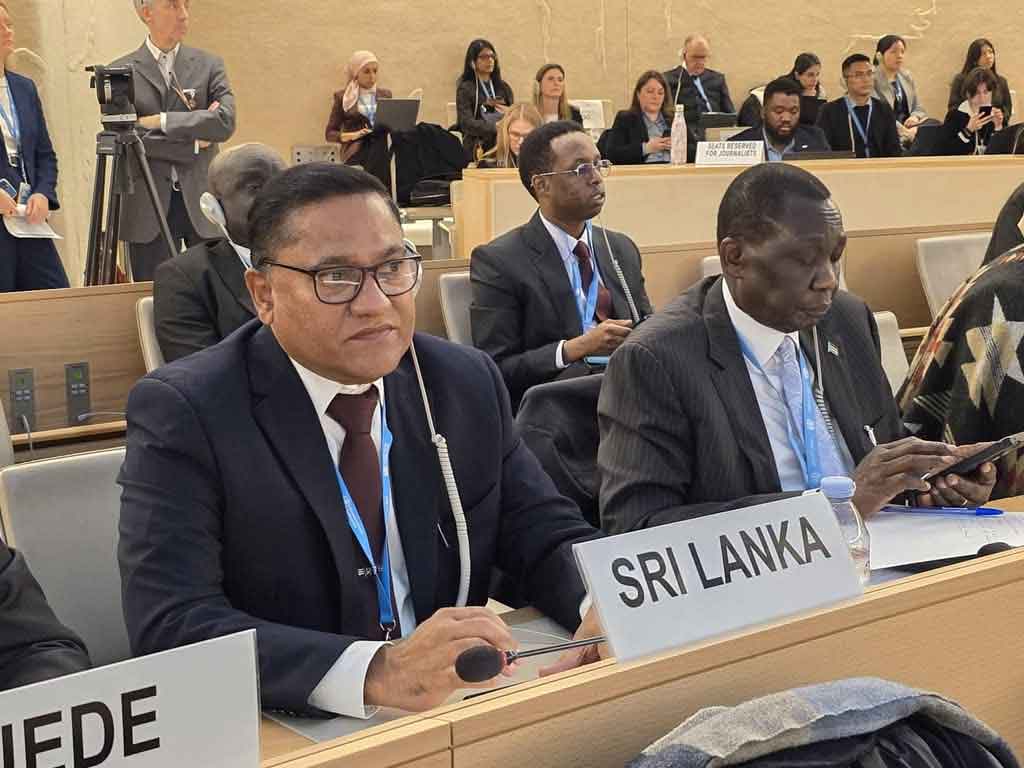
A storm of corruption, favoritism, and sexual misconduct allegations has engulfed Sri Lanka’s Foreign Minister Vijitha Herath, as the government reels from mounting outrage, silence from the top, and an atmosphere of fear inside the ministry.
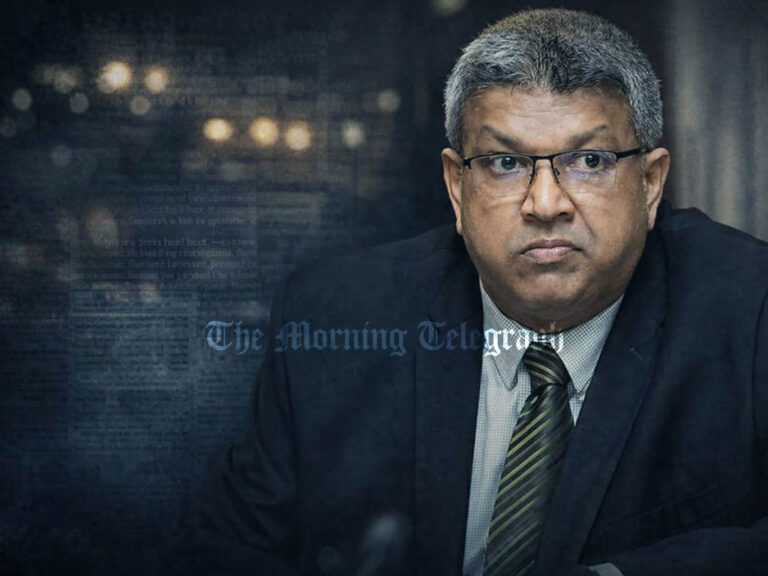
Sri Lanka’s Foreign Minister Vijitha Herath is facing the biggest crisis of his political career as a growing storm of allegations spreads across social media and fuels public anger. Charges of corruption, favoritism, misuse of funds, and sexual misconduct have rapidly circulated across multiple platforms, painting a disturbing picture of misconduct at the very heart of the Ministry of Foreign Affairs. The claims allege that the minister has used his office to appoint close allies and personal contacts into senior diplomatic posts, while awarding them lucrative financial projects without any form of competitive tender. More troubling still, several posts accuse him of exploiting women within the ministry, using his position to manipulate appointments and favors in exchange for personal gratification.

The scandal is a direct blow to the government that came to power promising reform. Pledges to eliminate politicization, favoritism, and sexism were key campaign points, yet the unfolding revelations suggest that little has changed. The circulation of photographs and videos online has further fueled suspicions, while both the ministry and the minister himself have maintained an unsettling silence. Rather than addressing the serious charges, several senior government officials have turned their efforts toward dismissing the uproar, accusing social media users of conducting “character assassinations.”
Inside the ministry, the atmosphere has grown toxic. Key sources, speaking under anonymity, described conditions as “unbearably tense” and revealed what they called a “complete breakdown of professionalism.” One insider explained that staff morale has plummeted to unprecedented levels, with employees terrified of political retaliation should they dare to speak out. According to the source, fear has replaced accountability, and confidence in leadership has evaporated.
The crisis has also drawn sharp criticism from seasoned diplomats. A retired senior official with decades of service offered a grim assessment of the institution’s decline. He observed that these issues are not new, stressing that sexual misconduct, favoritism, and moral corruption have plagued Sri Lanka’s foreign service for years. Some officials, he said, abused their power for personal gain, rewarding those who complied with their demands while punishing those who resisted. His condemnation was scathing, describing the current state of affairs as both shameful and pathetic. He even questioned whether Sri Lanka needs a foreign service at all if those at the helm operate without conscience or accountability.
Adding to the embarrassment, the official website of the Ministry of Foreign Affairs has been offline for more than two days, raising fresh questions about transparency and responsibility. The timing could not have been worse. As the highly publicized Sri Lanka Economic and Investment Summit 2025 convened, the Foreign Minister was conspicuously absent. His empty seat at the head table was instead filled by 34-year-old Deputy Minister Arun Hemachandra, who by most accounts struggled to manage the proceedings. Senior diplomats reportedly watched with concern as Hemachandra, inexperienced and visibly out of his depth, faltered in front of both local and international representatives.
The political ramifications of this scandal stretch beyond the ministry. The Janatha Vimukthi Peramuna (JVP), the ruling party to which Herath belongs, has declared that any credible allegations against its members will result in comprehensive investigations. Party sources emphasized that they have taken strong disciplinary action in the past against those involved in misconduct, stressing that “no one is above accountability.” Still, critics argue that such assurances mean little if silence and denial continue to be the first response to serious accusations.
As the allegations snowball, Sri Lanka faces not only a political embarrassment but also a diplomatic crisis. International observers are watching closely, and the government’s credibility is being questioned. The accusations against Foreign Minister Vijitha Herath strike at the heart of governance, exposing the fragility of promises made to the people and the gulf between rhetoric and reality. While the minister remains silent and the government scrambles to contain the fallout, one fact is undeniable: the storm will not pass easily, and the stain on the country’s foreign service may take years to erase.