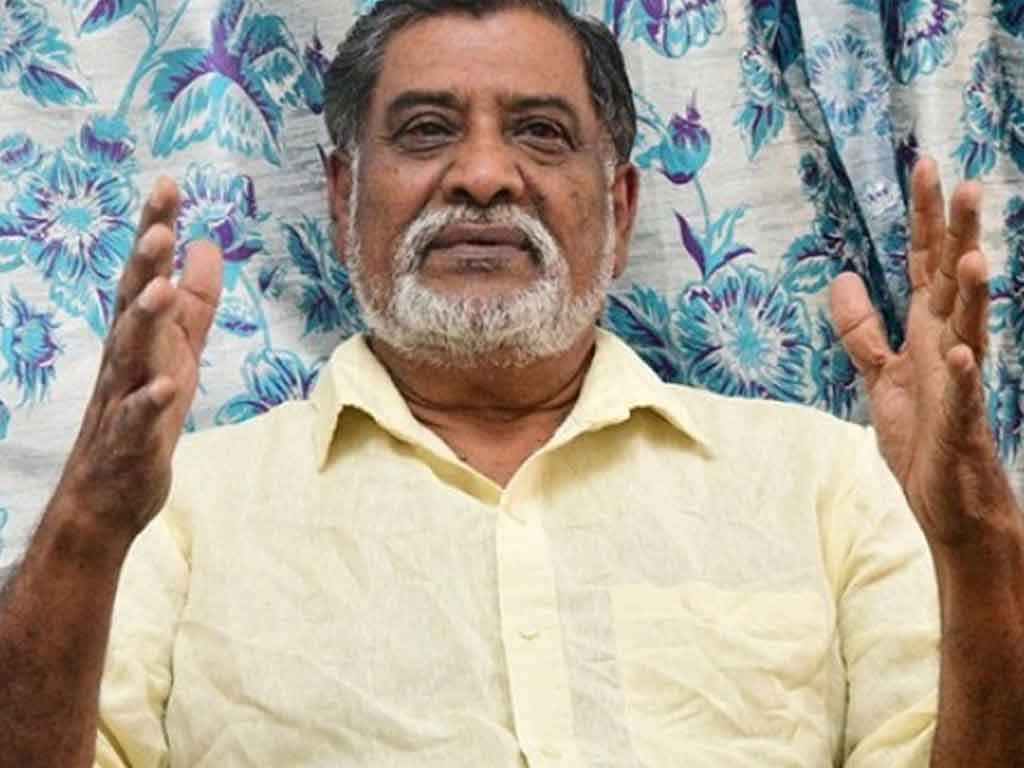
Tamil political groups are rallying behind veteran leader A. Varadaraja Perumal as efforts intensify to form a united front ahead of the upcoming provincial council elections, a crucial test of Tamil representation and political strength in Sri Lanka.
Even before the Election Commission has officially announced dates, discussions among Tamil parties have accelerated. The government signaled during sessions at the UN Human Rights Council and through other political dialogues that the provincial council elections are likely to be held early next year. This timeline has pushed Tamil leaders to urgently plan alliances, fearing that a divided vote could weaken their influence.
The recent electoral success of the National People’s Power, which managed to tap into segments of the Tamil nationalist vote base, has served as a wake-up call. Tamil parties now recognize the importance of consolidating their support to ensure that Tamil votes stay within local political groups rather than drifting toward national alternatives. There has also been a noticeable decline in turnout during local government polls, further underlining the need for a fresh, united strategy.

At the center of this effort is A. Varadaraja Perumal, a figure with both historic significance and contemporary relevance. Once forced into exile in India due to death threats from the LTTE, Perumal has re-emerged to play a pivotal role in organizing Tamil unity. His leadership is now viewed as essential in navigating political divisions and reasserting Tamil representation within the provincial council framework.
On Wednesday, the Democratic Tamil National Alliance (DTA), led by the Ilankai Tamil Arasu Katchi Party, convened a key meeting to outline plans for the election campaign. Several parties agreed in principle to work together to safeguard Tamil political interests. The All Ceylon Tamil Congress (ACTC), known for its strong nationalist stance and vocal opposition to the provincial council system under the 13th Amendment, is still weighing how to align with the alliance. While ACTC continues to reject the provincial council model, it is exploring ways to coexist within the broader coalition to avoid splitting Tamil votes.
The unfolding situation highlights a decisive moment for Tamil politics. The challenge will be balancing ideological differences with the practical need for electoral strength. With Varadaraja Perumal stepping to the forefront, the call for unity carries both symbolic and strategic weight. Whether these efforts succeed will shape not only the upcoming elections but also the broader trajectory of Tamil political representation in Sri Lanka.