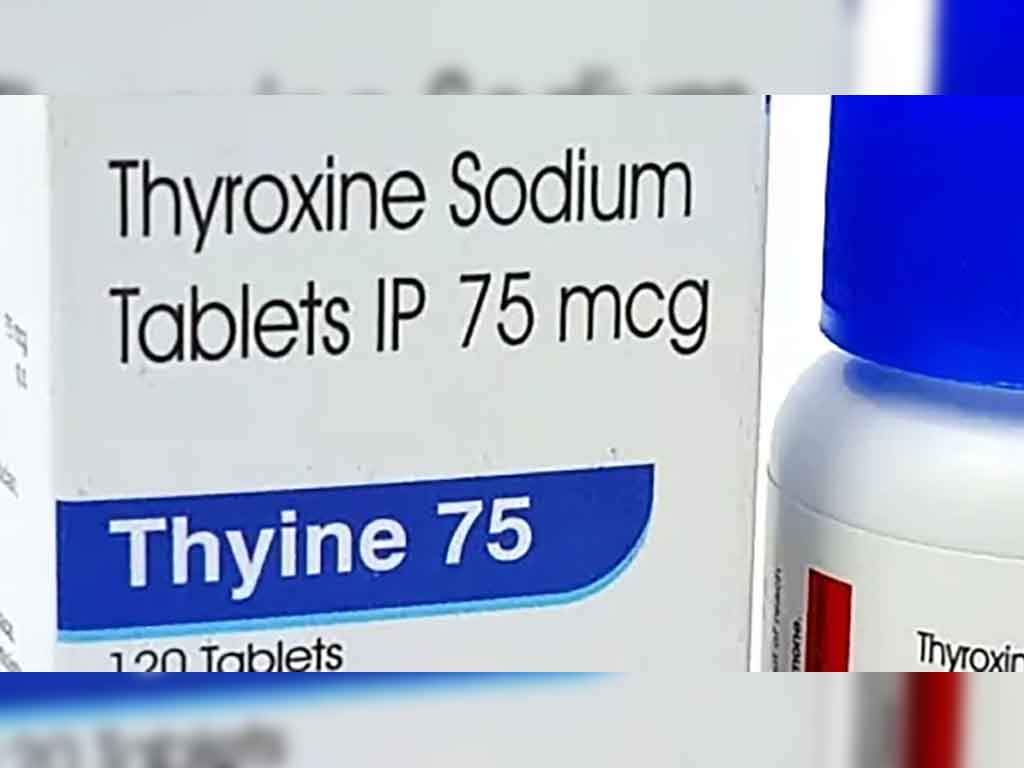
A damning audit has exposed how 28 million thyroxine tablets close to expiry were accepted into Sri Lanka’s Medical Supply Unit, costing taxpayers nearly Rs. 16 million, yet investigations have targeted only junior officers while senior officials who authorized the deal remain untouched.
The controversy dates back to September 2016 when the Medical Supply Unit received a massive stock of 28 million thyroxine tablets with an expiry date of June 2017. Within months, new stocks with a longer shelf life arrived, forcing the older batch to be discarded as unusable. Despite the clear financial loss to the state, records show that the payment of nearly Rs. 16 million was made to the supplying companies.
According to Dr. Chamal Sanjeewa, Chairman of the Doctors’ Trade Union Alliance for Medical and Civil Rights, this case highlights a recurring pattern of malpractice within the Medical Supply Unit. He noted that while lower-ranking officers who physically accepted the expired stock have been charge-sheeted, the senior officials who instructed them have not faced any consequences. Dr. Sanjeewa stressed that it is “deeply regrettable” that accountability has stopped at the lowest levels, shielding those in higher positions who bear greater responsibility.

The audit inquiry revealed the transaction as a serious breach of procedure, yet the Ministry of Health’s follow-up has been selective and limited. A preliminary investigation was completed by mid-2017, but enforcement of the law against the main decision-makers never materialized. Health sector sources confirm that only junior staff were penalized, despite clear evidence that they were following instructions from their superiors.
The broader concern lies in how such procurement failures have become a repeated problem in Sri Lanka’s health system. Past audit reports consistently show that recovery of losses from such irregular deals is either minimal or nonexistent. Officials often declare that money lost will be reclaimed, but the percentage of recovery remains extremely poor.
The issue is not only financial but also raises questions of public trust and patient safety. Thyroxine is a vital medication used to treat thyroid conditions, and mismanagement of its procurement jeopardizes both health outcomes and state resources. By accepting near-expired drugs, the Medical Supply Unit not only wasted millions but also undermined confidence in how critical medicine stocks are managed.
Dr. Sanjeewa has urged President Anura Kumara Dissanayake to launch a full-scale investigation into the Medical Supply Unit’s procurement processes. He emphasized that without high-level accountability, similar incidents will continue to occur, draining public funds and damaging the integrity of the health service. He also called for a review into whether the responsible companies or senior officials have made any restitution for the financial loss.
As of now, there has been no evidence that the Rs. 16 million lost in this transaction has been recovered. For many observers, the case represents not just a single procurement scandal but a symptom of a deeper culture of impunity where the powerful escape scrutiny, and accountability is pushed onto those with the least authority.