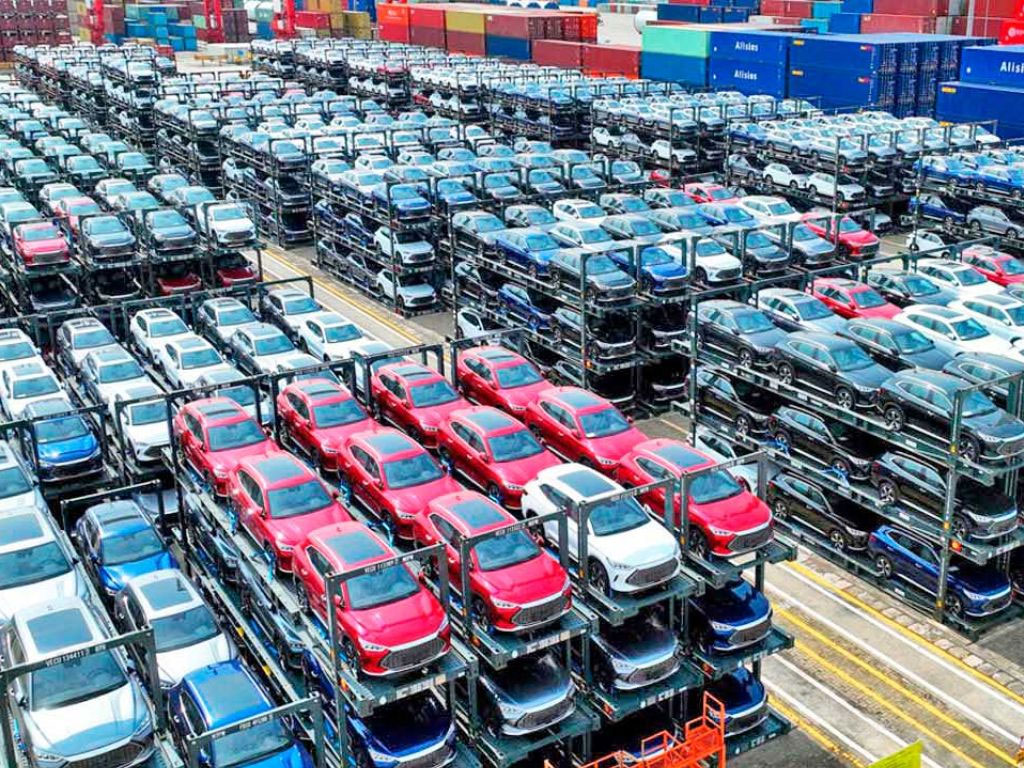
Sri Lanka’s vehicle market is witnessing a dramatic drop in prices, with popular models falling by up to Rs. 1.5 million as Japanese car imports surge and local demand cools.
According to data from the Special Division of the Central Bank of Sri Lanka, between January and August this year alone, US$ 705 million was spent on private vehicle imports. This influx, coupled with a sharp reduction in purchase prices in Japan, has triggered a significant correction in the local vehicle market. Importers note that Japan’s slowdown in domestic buying has pushed prices down at the source, passing the effect directly onto Sri Lankan buyers.
The result is a wave of price cuts across both registered and showroom-level vehicles. For instance, a vehicle that previously cost between Rs. 25.5 million and Rs. 25 million has now dropped to Rs. 23.5 million. Showroom-fresh 2025 models such as the Honda Vezel and Toyota Yaris have seen reductions of around Rs. 200,000 compared to earlier prices. Meanwhile, popular hybrids such as the Suzuki Alto Hybrid and the Wagon R have dropped between Rs. 500,000 and Rs. 600,000.

Industry analysts highlight that Toyota Raize and Toyota Yaris models dominate current sales volumes, while luxury buyers are leaning towards high-end vehicles such as the Lexus LC 300 and Toyota Prado. The market also reflects robust demand for utility vehicles, with double cabs and Ford pickups moving in large numbers.
On the used car side, Nissan vehicles remain popular, though the Honda Vezel leads the pack among CrossOver SUVs, maintaining its position as one of the most in-demand models.
Vehicle importers say this trend is likely to continue in the short term as global demand patterns, currency fluctuations, and shipping volumes stabilize. With a large number of imported vehicles entering the country, competition in the domestic market has intensified, forcing prices down and giving consumers more choice at lower costs.
For prospective buyers, this period may be one of the best opportunities in recent years to purchase a vehicle at a reduced price. However, experts caution that long-term affordability will still depend on broader economic conditions, including fuel costs, interest rates, and government policies on vehicle imports.