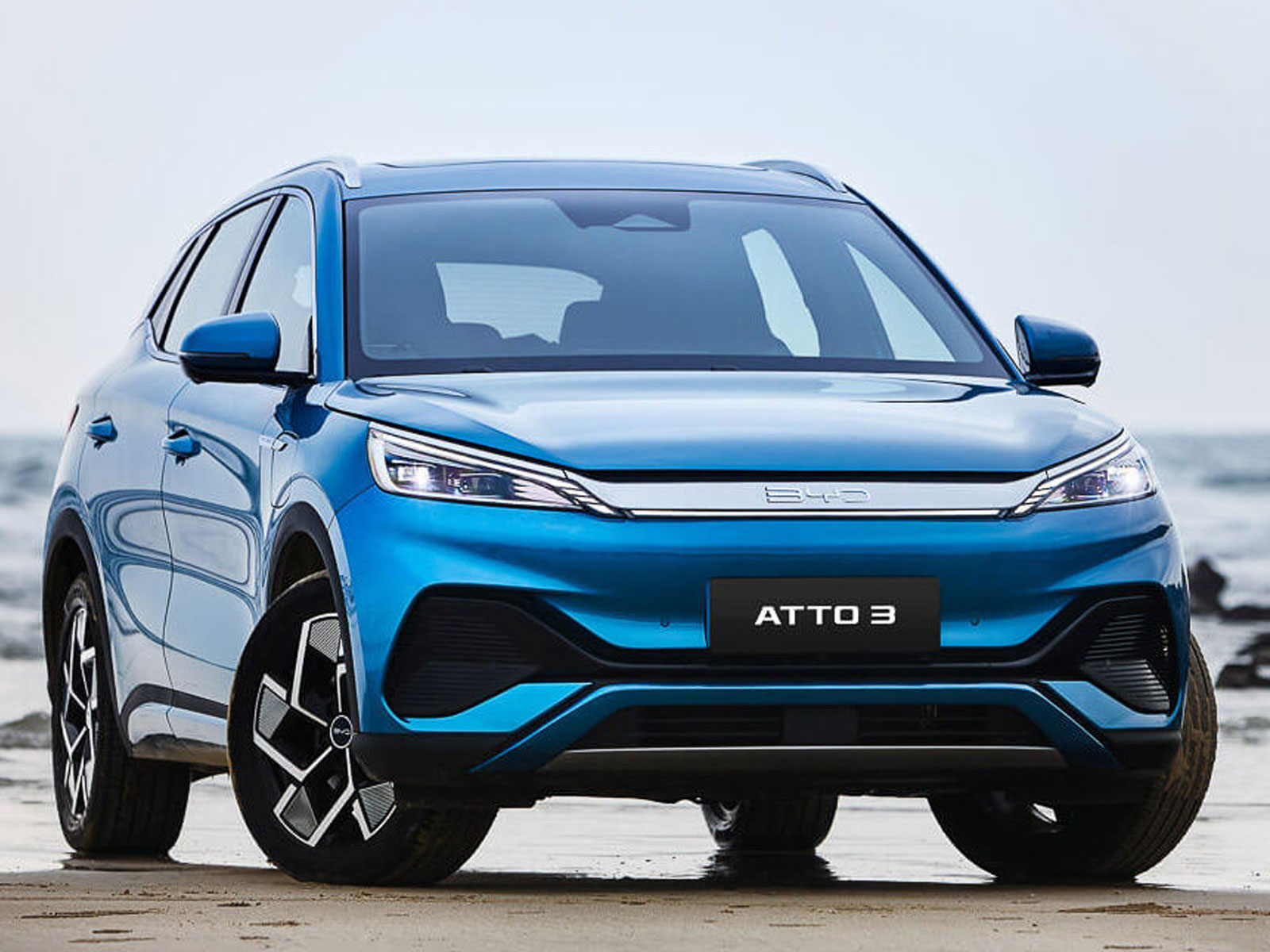
Sri Lanka’s BYD vehicle import crisis deepens as the Court of Appeal orders Customs to conclude investigations, but buyers and importers remain stuck in limbo with billions at stake.
The much-publicized BYD vehicle dispute once again reached the Court of Appeal today (October 24), but instead of clarity, the case continues to linger. The court made it clear that investigations into the engine capacity of the detained BYD electric vehicles must be completed promptly, yet both buyers and importers are left in uncertainty as legal and bureaucratic wrangling drags on.
Court of Appeal Chairman Justice Rohantha Abeysuriya emphasized that Customs plays a vital role in securing taxes for the national economy, but insisted that authorities must also weigh the concerns of consumers who have already purchased vehicles and companies that have invested heavily in imports. He instructed Customs to speed up their investigations and urged the petitioner company to cooperate with the process.

The remarks came during the hearing of a petition filed by John Keells CG Company, which sought the release of BYD vehicles detained by Customs. The Additional Solicitor General (ASG) Sumathi Dharmawardena, representing Sri Lanka Customs, told the court that the vehicles could be released on bail subject to conditions. He further confirmed that a report on the scan tests conducted on the vehicles would be presented to the court next Monday through a motion.
However, President’s Counsel Farsana Jameel, appearing for the petitioner, challenged the legal basis of Customs’ actions. She argued that the detention of vehicles under current procedures was against the law. Despite lengthy arguments between the two sides, the court session ended without an agreement on releasing the vehicles on bail. The ASG then informed the court that the possibility of a settlement would be announced on October 28.
This is not the first time the BYD saga has been dragged through the Court of Appeal. On August 7, the Director General of Customs agreed before the court to release 991 detained BYD vehicles under strict conditions. According to that agreement, John Keells CG Company was required to deposit Rs. 3,552,909,200 (approximately Rs. 3.6 billion) as a guarantee in a state bank, representing the tax differential claimed by Customs. The company was also required to accept liability for the interest accruing on that guarantee.
Additionally, the court mandated the appointment of a technical committee to settle the question of whether the BYD vehicles in question had a motor capacity of 100 or 150 kilowatts. The committee was to consist of experts from the Universities of Peradeniya and Moratuwa, the Government Analyst’s Department, and the Department of Motor Traffic.
Despite these conditions and the partial agreement in August, the dispute continues unresolved, highlighting not just a legal conflict but also the risks faced by Sri Lanka’s fragile automobile import market. Buyers are left frustrated, importers face mounting financial pressure, and Customs insists on securing what it claims are rightful tax revenues.
The BYD dilemma underscores a broader issue: the gap between government policy, taxation frameworks, and the realities of electric vehicle imports in Sri Lanka. As the country struggles to balance fiscal needs with consumer demand and international trade practices, this case has become a test of how fairly and transparently authorities can handle high-stakes disputes.
For now, the verdict is clear, the case will not be resolved quickly. While Customs faces pressure to wrap up investigations, delays have already caused significant disruptions, with billions of rupees and public confidence on the line. The next critical date is October 28, when Customs is expected to clarify its stance on a possible settlement. Until then, the BYD imports remain in limbo, and Sri Lanka’s buyers and importers must wait anxiously for resolution.