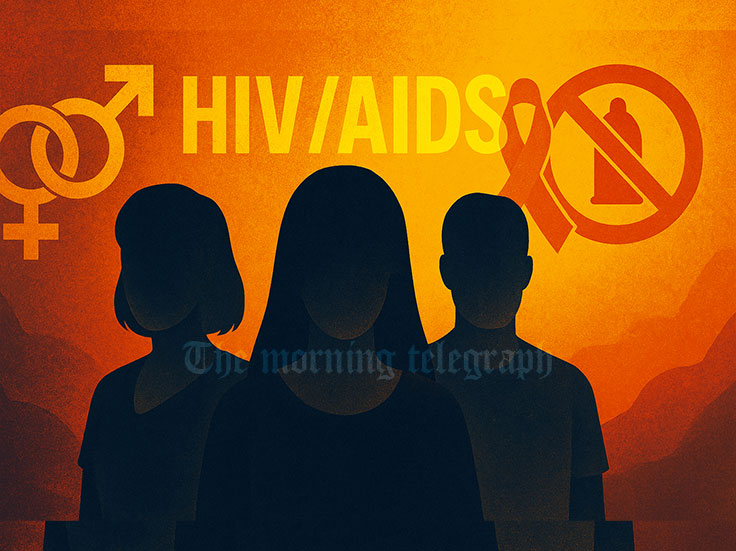
Sri Lanka faces a looming public health emergency as new figures reveal shocking numbers of people engaged in risky sexual and drug-related behaviors, with experts warning of a rapid spread of HIV and other sexually transmitted diseases if urgent preventive measures are not taken.
According to data released by the Sexually Transmitted Diseases Control Unit, nearly 150,000 individuals across the island are currently at high risk due to unsafe sexual practices and blood-borne drug injections. Dr. Chamal Sanjeewa, Chairman of the Medical and Civil Rights Doctors’ Trade Union Alliance, highlighted that the situation has reached alarming proportions, demanding serious intervention from both the government and society.

The breakdown of these statistics paints a troubling picture. There are 35,000 officially recognized female prostitutes actively operating within Sri Lanka. Alongside them, 80,000 male homosexuals have been identified, raising concerns about the spread of sexually transmitted diseases among this group. Furthermore, 3,011 individuals have been recorded as drug users who inject substances directly into their bloodstream, increasing the risk of HIV transmission through contaminated needles.
Adding to this complex issue are 6,000 boys working on the beach, many of whom are exposed to sexual exploitation, as well as 3,500 women who have undergone sexual transformation procedures. These groups collectively make up the nearly 150,000 individuals considered to be at the highest risk of contracting and transmitting HIV/AIDS due to unprotected sexual behavior and unsafe practices.
Current reports suggest that approximately 6,000 people are already living with HIV/AIDS across the island, with the majority concentrated in the Western Province. However, sexually transmitted infections are not confined to one region. High prevalence rates have also been recorded in the districts of Galle, Kandy, Kurunegala, Anuradhapura, Matara, and Badulla. Of particular concern is the rising number of syphilis cases, which has been linked to women who have undergone sexual transformation, exposing a hidden layer of vulnerability within these communities.
Dr. Sanjeewa stressed that the only way to combat this growing crisis is through early and comprehensive education. He emphasized the urgent need to incorporate sex education into the school system, enabling children and young adults to understand the risks and protect themselves from dangerous behaviors. Without such preventive measures, he warned, Sri Lanka’s youth will continue to be prematurely exposed to sexually transmitted diseases, which could have long-term consequences for the nation’s health and productivity.
At the same time, Dr. Sanjeewa cautioned against policies or practices that normalize or encourage unsafe sexual behaviors under the guise of tourism promotion. He argued that using propaganda to attract foreign visitors through the promise of sexual freedom not only damages Sri Lanka’s cultural fabric but also directly endangers its younger generations.
The figures released are a wake-up call, shedding light on a silent crisis that has been growing in scale and urgency. Experts insist that without immediate action, Sri Lanka may face an HIV/AIDS epidemic of unprecedented scale. For policymakers, civil society, and the public alike, the message is clear: prevention, education, and strict regulation are essential to safeguarding the nation’s future.