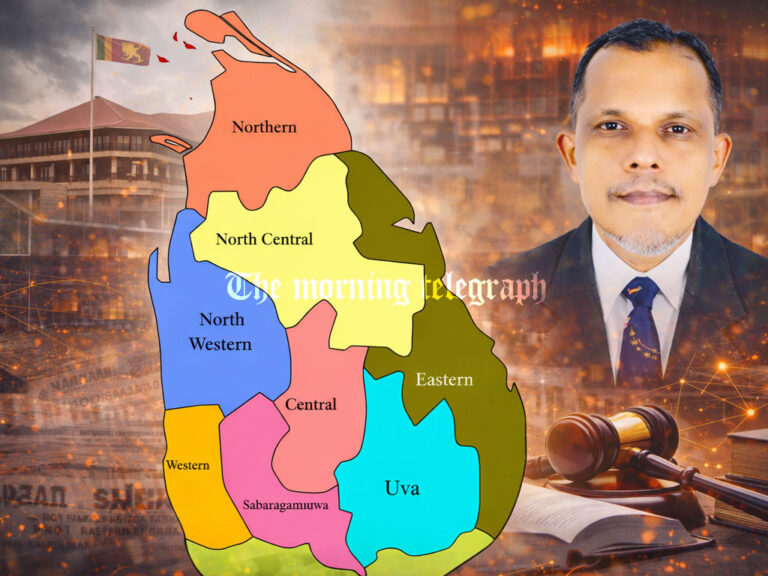
Indian intelligence has uncovered a dangerous new pact between the Dawood syndicate and former LTTE operatives, creating a cross-border drug network that could rebuild militant funding and reshape South India’s narcotics underworld.
Indian intelligence agencies have issued a high-level alert after confirming that the Dawood Ibrahim syndicate has entered into a strategic partnership with remnants of the Liberation Tigers of Tamil Eelam to expand its drug trafficking operations through South India and Sri Lanka. Officials say the D-syndicate, which has suffered major financial setbacks in Maharashtra, Gujarat and northern India due to intensified policing, is now shifting its narcotics network southward, using forgotten LTTE smuggling routes to move heroin, synthetic drugs and precursor chemicals. The alliance marks a major shift in the criminal landscape, combining Dawood’s global criminal funding with the LTTE’s deep-rooted logistical networks.

Intelligence intercepts show that the D-gang has reactivated contacts with former LTTE cadres and sympathisers in Tamil Nadu and Sri Lanka. These operatives once controlled coastal routes, safe houses and maritime drop points used during the civil war era. For the LTTE, the deal represents a rare financial lifeline. Since its military defeat, the organisation’s remaining cells have been starved of funds and leadership. A previous National Investigation Agency probe revealed attempts by LTTE-linked operatives to withdraw dormant foreign bank deposits, suggesting desperation for new revenue. The Dawood partnership now grants the LTTE access to steady drug money that can be used to recruit youth, buy weapons and rebuild influence, even if a full-scale separatist revival remains improbable.
Senior officers say the drug pact is not ideological, but transactional. The D-syndicate provides money, supply chains and foreign buyers, while LTTE-linked operatives offer local intelligence, coastal navigation skills and decades-old smuggling experience along the Palk Strait. This narrow stretch of water between India and Sri Lanka is now considered the new frontline of narcotics trafficking. Former LTTE cadres know every fishing route, lagoon and unguarded shoreline, giving the syndicate an advantage that no northern-based cartel could access.
Officials fear that the combination of Dawood’s capital and the LTTE’s logistics will allow the syndicate to dominate the South Indian drug market and eventually connect it to national distribution routes. A senior counter-narcotics officer described the partnership as a “lethal combination capable of rebuilding a criminal corridor from Karachi to Colombo and from Jaffna to Chennai.” He warned that the danger lies not in the return of LTTE ideology, but in the creation of a criminal infrastructure that simultaneously moves drugs, weapons and cash.
The LTTE has a long history of using narcotics trafficking to fund militancy. As early as the 1980s, the organisation partnered with international smugglers to move heroin between Afghanistan, Pakistan, Sri Lanka and Europe. The group controlled underground docking points, used Tamil Nadu as a staging ground and laundered profits through front businesses in Canada, the UK and Scandinavia. Even after its defeat, small pockets of operatives continued to finance themselves through narcotics and gold smuggling. Indian intelligence believes that several LTTE diaspora figures still control offshore funds and are now being courted by the Dawood network.
The latest warning follows earlier seizures that indicated LTTE-linked activity was re-emerging. Three years ago, Indian agencies arrested two Tamil Nadu residents accused of planning to smuggle arms and drugs from Sri Lanka under the orders of LTTE-linked handlers. Investigators later confirmed that the operation aimed to revive a shadow supply chain, not political rebellion. Today’s alliance with the D-syndicate represents the full-scale evolution of that plan.
Security forces have stepped up maritime surveillance across Tamil Nadu, Kerala and the Lakshadweep region. Intelligence units are monitoring Tamil diaspora money transfers, hawala channels and encrypted communication platforms used by the D-gang. The NIA has begun tracking suspicious financial trails between South India, Dubai, Malaysia and Jaffna. Officials warn that the greatest threat is not a terrorist attack, but the creation of a financially independent, politically unaccountable criminal network operating across borders.
Analysts say this new pact signals the merging of two powerful underworld histories. Dawood Ibrahim’s syndicate, once dominant in Mumbai’s extortion, betting and smuggling trade, now sees drugs as its most profitable survival route. The LTTE, once a separatist army with its own navy, now exists in fragments, but retains a ready-made logistics map built over decades. Together, they form a hybrid model of crime that blurs the line between terrorism, narcotics and organised smuggling. Officials say the alliance could soon attract other militant or criminal actors seeking a share of the profits.
India’s main concern is that the network could evolve into a narcotics-funded militant infrastructure able to finance separatist narratives, destabilise coastal security and corrupt local systems. With Sri Lanka still facing economic instability and a weakened law enforcement climate, Indian agencies fear that the island could once again become a global transshipment hub, this time not for war but for narcotics.
The intelligence alert concludes that the threat is not temporary but structural. The Dawood-LTTE alliance represents a long-term strategy to rebuild lost ground, using the Indian Ocean as a floating marketplace for drugs. The bigger risk, officials warn, is that the criminal corridor they are building could outlast both organisations — and become a permanent feature of South Asian organised crime.