A school principal arrested for heroin trafficking. A ninth-grade girl selling her body. This is not a crime wave; it is the final exam for a society that has failed its children.
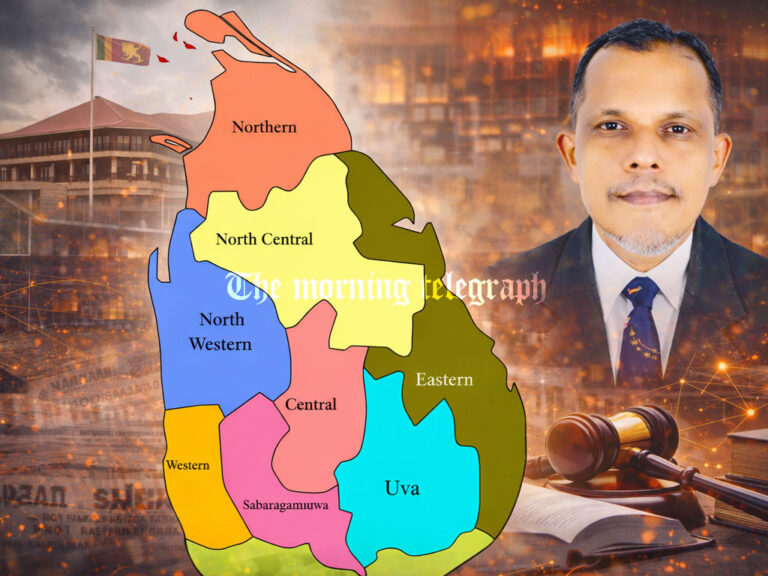
The recent arrest of a school principal in Eppawala for drug trafficking is a shock that should reverberate through every corner of Sri Lanka. This was not an isolated criminal act but a profound symbol of a collapsing moral framework. The man, entrusted with shaping young minds and embodying discipline, was allegedly a key player in a sophisticated narcotics network, with over a kilogram of heroin hidden on his property. His wife, a local councillor from the ruling coalition, and their son, already imprisoned on drug charges, complete a devastating family portrait of systemic corruption. This case transcends politics; it reveals a rotting foundation where those meant to protect children are the very agents of their destruction.

This single betrayal, however, is merely a symptom of a far greater national shame. The same week this principal was arrested, reports surfaced from the Gampaha district of a ninth-grade girl driven to sell her body for a few hundred rupees. In the same breath, stories emerged of schoolchildren running online groups where sexual images were traded like collectibles. These victims are barely teenagers, children who should be preoccupied with exams and cricket, not blackmail and profound shame. What kind of society pushes its youth into such abject darkness while adults scroll past the headlines with passive indifference? The connection between a drug-trafficking principal and child exploitation is not coincidental; it is causal. They are different facets of the same moral decay.
Drugs, exploitation, and ethical erosion form a vicious cycle that is dismantling our social fabric. When narcotics seep into the school system through those in authority, when the smartphones meant for education become tools of humiliation, and when public figures are exposed in the vices they publicly condemn, what moral compass is left for a child? These are not abstract social issues for academic discussion. They are screaming alarms in a house that is already on fire, a clear and present danger to the nation’s future. The crisis of child protection and the normalization of vice demand immediate, tangible action, not just dialogue.
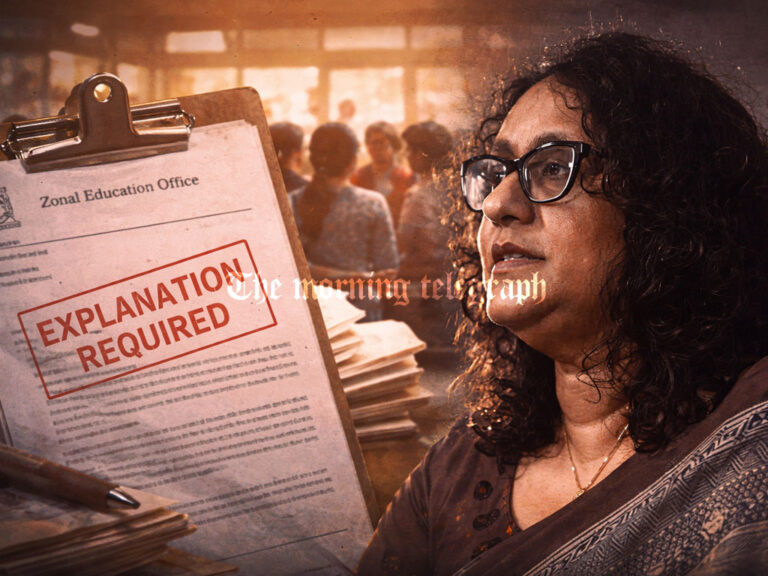
The silence from leadership in the face of this moral epidemic is deafening. Education Minister Harini Amarasuriya, a figure of intellect, rightly focuses on curriculum reform and digital learning. Yet, these noble goals ring hollow when she remains silent on the demons corrupting the very playgrounds and classrooms she seeks to improve. We cannot redesign syllabuses while ignoring the fact that children are being groomed online, trapped by addiction, or sold in invisible markets. Reforming textbooks is a futile exercise if the students reading them are being spiritually and physically destroyed by a culture we refuse to confront. The government’s inaction suggests a tragic prioritization of policy over people, of theory over terrifying reality.
This leadership failure is compounded by a deep-seated cultural hypocrisy that fuels the problem. Turn on any popular teledrama and you will find a world where infidelity is romanticized, violence is glorified, and vanity is celebrated as a virtue. Producers defend this as mere entertainment, but when entire generations are raised on a diet where deceit is rewarded and decency is mocked, the line between fiction and real-world morality inevitably blurs. Parents voice outrage at child exploitation, yet the same families consume media that normalizes the very behaviors leading to it. This cognitive dissonance, this willingness to look away, is the fertile ground in which moral disorientation grows.
This ethical crisis is not an accident. It thrives in a specific environment: a society where public outrage is a fleeting emotion and accountability is a temporary headline, not a sustained habit. Each scandal, no matter how brutal, passes like a weather front, leaving behind only a thicker layer of public cynicism. When a principal can traffic drugs, when children can be exploited online for pocket change, and when government ministers can remain silent through it all, that is not mere failure. It is complicity through apathy. We are collectively avoiding the unavoidable truth: Sri Lanka’s most profound crisis is no longer purely economic or political. It is an existential ethical crisis.
The avoidable tragedy is that we are debating economic reforms and international ratings while an entire generation is drowning in a sea of neglect and corruption. The time for committees and hollow statements is over. The National Child Protection Authority, the Education Ministry, and the media industry must move beyond rhetoric and form a united front of decisive action. This moral decay will soon metastasize beyond repair if not confronted with courage and consistency.
Every exploited child, every young life lost to addiction, every educator who betrays their oath is a fresh wound on the nation’s soul. To begin healing, we must start where it hurts most: in the schools that have lost their way, in the families that are unwilling to have difficult conversations, and in the homes that choose to look away. The arrest of the principal in Eppawala is not the conclusion of a sordid tale. It is the opening line of a final warning that we can no longer afford to ignore. If we continue to do so, we risk losing more than our children; we will forfeit the very soul of our society and any claim to being a civilized nation.