In an extraordinary diplomatic reversal, a former US-designated terrorist turned Syrian president arrives at the White House, signaling one of the most dramatic geopolitical shifts of the decade.
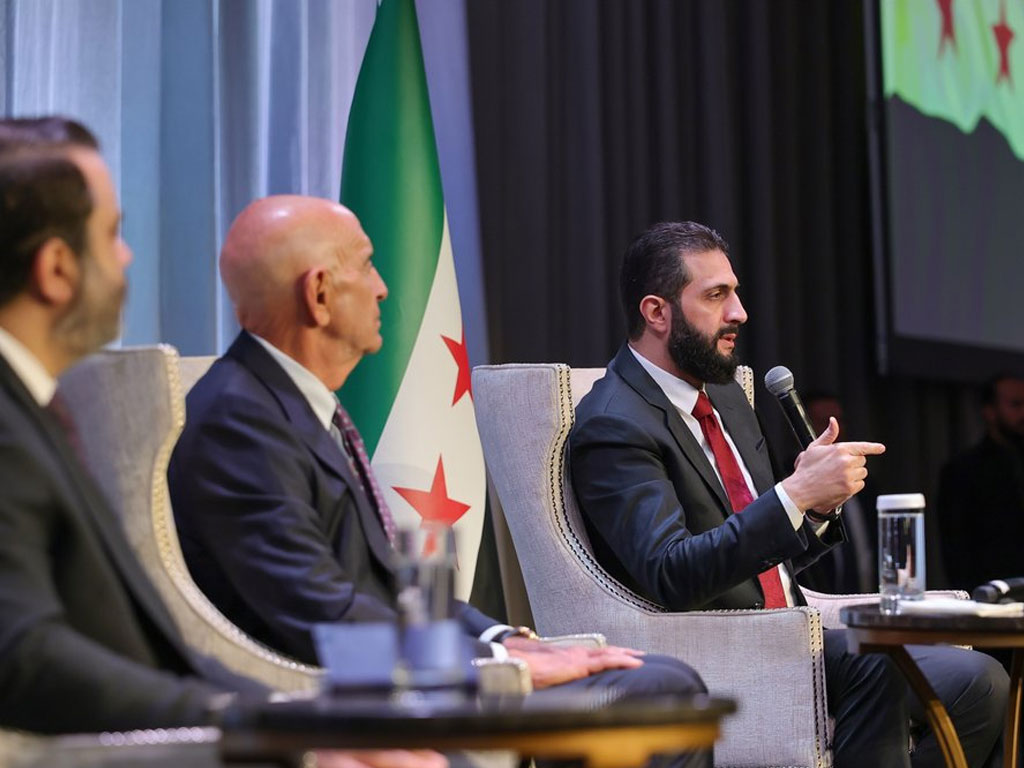
In a scene that would have been unthinkable just years ago, Syrian President Ahmed al-Sharaa was welcomed at the White House for a historic meeting with U.S. President Donald Trump. This landmark event marks the first time a Syrian leader has been officially received in Washington and represents a breathtaking reversal in international relations. The high-level diplomatic engagement comes immediately after the United States removed Sharaa from its list of Specially Designated Global Terrorists, culminating a remarkable personal and political transformation for the rebel commander who overthrew longtime autocrat Bashar al-Assad.

The 42-year-old leader seized power following a swift military offensive by his Islamist fighters from their northwestern Syrian stronghold, culminating in the toppling of the Assad regime on December 8 of last year. Since assuming control, President Sharaa has orchestrated a dramatic realignment of Syrian foreign policy, steering the nation away from its traditional alliances with Iran and Russia toward new partnerships with Turkey, Gulf states, and notably, the United States. This strategic pivot forms the crucial backdrop to the Washington talks, where security issues are expected to dominate the agenda. According to Reuters reports, discussions will focus on potential U.S.-brokered agreements between Syria and Israel, alongside considerations for establishing an American military presence at a key airbase near Damascus.
The White House meeting may yield another significant development: the formalization of Syria’s entry into the U.S.-led coalition combating the Islamic State. This step would cement the new Syrian government’s role as a legitimate partner in regional counterterrorism efforts and represent a profound shift from being the target of international counterterrorism operations to becoming an active participant. Ahead of their crucial talks, President Trump praised Sharaa’s leadership, describing him as a tough guy operating in a tough neighborhood and acknowledging the substantial progress made under his administration over the past year.
A central objective for the Syrian delegation involves pushing for the complete repeal of remaining economic sanctions, particularly those enforced under the Caesar Syria Civilian Protection Act. These sanctions still require Congressional approval for removal, presenting a significant political hurdle. Their elimination is viewed as essential for encouraging the massive international investment needed to rebuild a nation devastated by fourteen years of continuous conflict. World Bank estimates place reconstruction costs at staggering figures exceeding $200 billion, covering everything from infrastructure to essential services destroyed during the prolonged war.
The geopolitical drama is matched by Sharaa’s extraordinary personal journey from insurgent to statesman. His path to the White House began when he joined al Qaeda in Iraq following the 2003 U.S.-led invasion. After spending several years in American military detention, he returned to Syria to lead the fight against the Assad government. Designated a terrorist by the United States in 2013 under his former nom de guerre, Abu Mohammad al-Golani, he strategically broke ties with the global jihadist network in 2016 and methodically consolidated his authority in northwestern Syria. The U.S. government removed a substantial $10 million bounty on his head last December, and recent months have seen both the United Nations Security Council and Western governments, including the United States and United Kingdom, lift terrorism-related sanctions against him and his Interior Minister, Anas Khattab. This diplomatic rehabilitation completes one of the most astonishing political transformations in recent memory, moving a former wanted figure from the battlefield to the highest echelons of international diplomacy.