As accusations of corruption, cronyism, and rigged tenders swirl around Sri Lanka’s NPP-led government, the controversial double cab pickup truck deal threatens to become the defining scandal of President Anura Kumara Dissanayake’s administration and a symbol of democracy losing its brakes.
The political storm over the government’s decision to import 1,775 brand-new double cab pickup trucks has shaken the foundation of Sri Lanka’s National People’s Power coalition. What was introduced as a move to improve public service mobility has instead become a symbol of alleged corruption and abuse of power. Opposition lawmakers led by Samagi Jana Balawegaya MP Dr. Harsha de Silva are calling it one of the most blatant misuses of public funds in recent history and a test of the government’s commitment to its promise of system change.
Dr. Harsha de Silva opened the second reading debate of the 2026 Budget by accusing the government of manipulating tender procedures to favor a few chosen companies. According to him, the normal 42-day bidding period was deliberately reduced to just 12 days, creating serious suspicion that the deal was prearranged to benefit politically connected suppliers. He said that such behavior shows what happens when power goes to the heads of those in government, eroding the public’s trust in democratic accountability.

The MP also accused President Anura Kumara Dissanayake of trying to suppress dissent within Parliament by offering vehicles to Members of Parliament. De Silva stated that the Opposition would continue its protest until transparency and accountability were restored. He warned that the President cannot buy silence with vehicles and that this act mirrors the corruption the NPP once promised to end.
The controversy deepens when seen within the broader context of alleged misconduct in the current administration. De Silva referred to the release of 523 red-flagged freight containers from the Colombo Port without proper Customs inspection, calling it part of a pattern of corruption and impunity. He said that instead of addressing corruption within its own ranks, the government distracts the public by blaming past regimes.
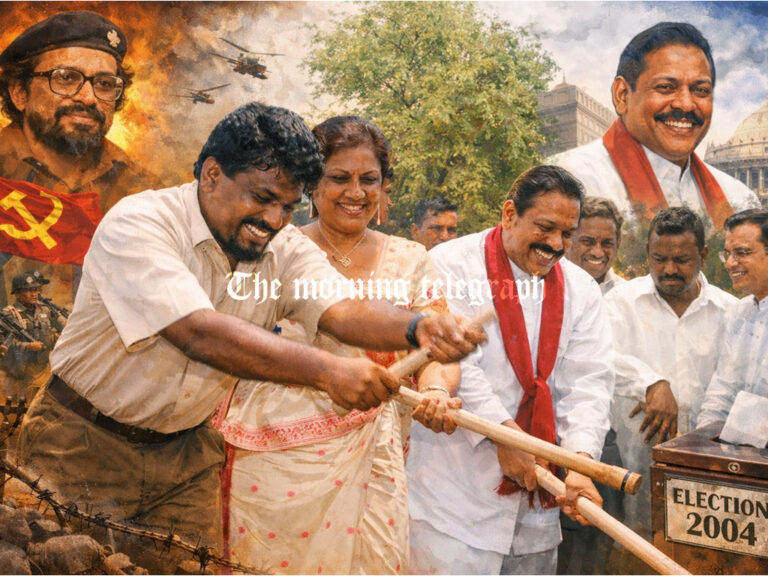
Many voters who believed in the NPP and Janatha Vimukthi Peramuna alliance for clean governance are now seeing similarities to the corruption they once opposed. The NPP came to power pledging transparency, justice, and integrity, but critics argue that it is now guilty of the same kleptocracy it once condemned. Dr. de Silva coined a new term for the present political reality, calling it a kleptokakistocracy, a combination of kleptocracy and kakistocracy, describing a government run by both the corrupt and the incompetent.
Public anger continues to rise as the much-promised system change begins to appear like mere political theatre. Once celebrated for its reformist energy, the NPP government is now accused of delaying the Provincial Council elections that it promised to hold within one year of assuming power. Dr. de Silva pointed out that the government’s hesitation shows its fear of facing the public at a time of declining confidence.
The roots of the current scandal trace back to the regime change after the fall of the previous administration. The NPP made a show of collecting and returning vehicles used by former officials, claiming to cleanse the public sector of extravagance and corruption. They promised that luxury vehicles would be auctioned and the revenue directed to strengthen state institutions. However, recent revelations suggest otherwise. Most of the returned vehicles were ordinary, fully functional ones that were not redistributed to departments facing vehicle shortages.
This has led to the suspicion that those vehicles were sold quietly to raise funds for the new double cab purchase. If true, the act not only exposes financial irresponsibility but also gross hypocrisy.
Meanwhile, the government continues to boast about record-breaking Customs revenue generated by vehicle import taxes. Economists, however, warn that this revenue surge is temporary and unsustainable. The tax bubble created by vehicle imports could collapse at any time, worsening Sri Lanka’s foreign exchange crisis. The Opposition argues that the country, which faces resumption of external debt repayments in 2028, must act cautiously. They estimate that Sri Lanka will require at least 13 billion US dollars in reserves by that year, making the government’s decision to spend lavishly on pickup trucks seem reckless.
Critics argue that the NPP’s extravagance reveals an inability to manage public funds wisely. Fiscal responsibility and anti-corruption were the pillars of its campaign, yet these values now appear replaced by political favoritism and administrative incompetence. The procurement of 1,775 double cabs is not only a financial scandal but also a moral indictment of the NPP’s credibility.
The government’s image is further damaged by the growing perception that it targets its opponents while protecting its own members. Dr. de Silva reminded Parliament that former Treasury and departmental officials had been arrested in the past for implementing questionable financial decisions. He questioned why no similar accountability is being applied in the pickup truck case.
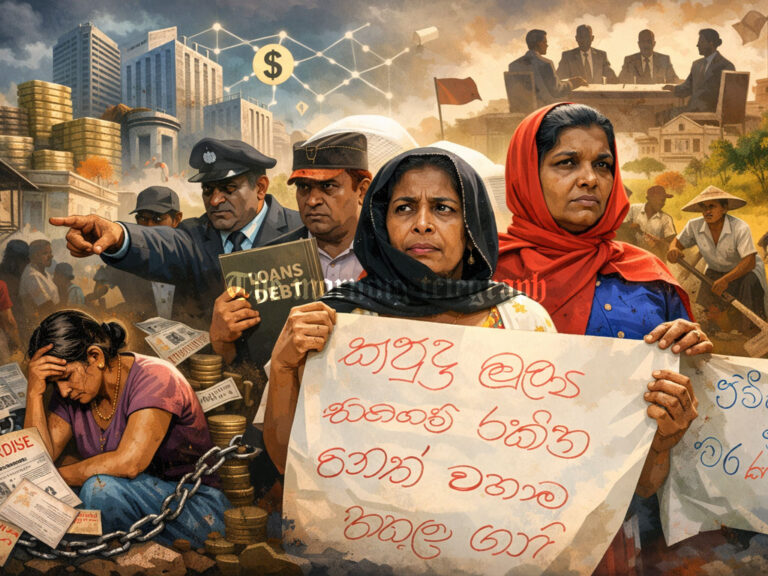
Supporters of the NPP defend the purchase, saying that the vehicles are necessary for fieldwork and development projects. However, experts and civil society activists question why such a costly decision was rushed through without broad consultation or economic justification. To the public, it appears insensitive to the ongoing cost-of-living crisis and daily financial struggles of ordinary Sri Lankans.
Sri Lanka continues to face severe economic challenges, including inflation, high debt, and slow growth. Dr. de Silva has argued that the nation cannot afford political vanity projects while essential services like healthcare and education remain underfunded. He said the issue is not about vehicles but about the priorities and values of those in power.
The scandal has become more than a financial issue. It is now a political test for President Dissanayake and the NPP. Whether they choose accountability or concealment will define how history remembers their promise of a system change. For now, the Opposition is demanding an immediate cancellation of the double cab tender and a transparent investigation into the procurement process.
Dr. de Silva has warned that the issue will not disappear with time. He said that the government must remember that it cannot remain in power indefinitely and that this deal will one day be investigated and those responsible held accountable. With memories still fresh of a former Chief Minister being sentenced for defrauding public funds worth 2.8 million rupees as fuel allowances, the public is losing patience. They expected integrity from a government that claimed to cleanse corruption, not one accused of driving democracy off the road.