The proposed overhaul of Sri Lanka’s school timetable has sparked fresh tension within the education sector, with strong opposition emerging from the Lanka Teachers’ Union despite Deputy Minister Mahinda Jayasinghe’s ties to the organisation.
The government’s new education reforms propose extending school hours for Grades 5 to 13, requiring students to remain in classrooms from 7:30 am to 2:00 pm. However, several teachers’ unions, most notably the Lanka Teachers’ Union, have raised firm objections, arguing that the extended hours are neither practical nor scientifically sound.
The union’s president, Dhammika Alahapperuma, insists that optimal learning for a child should take place only between 7:00 am and 1:30 pm. He noted that the union has formally submitted its concerns to the Ministry of Education and that the matter was directly discussed with the Ministry Secretary. According to the union, international educational studies and global best practices support their stance, showing that excessively long school days can negatively affect student performance, concentration and mental well-being.

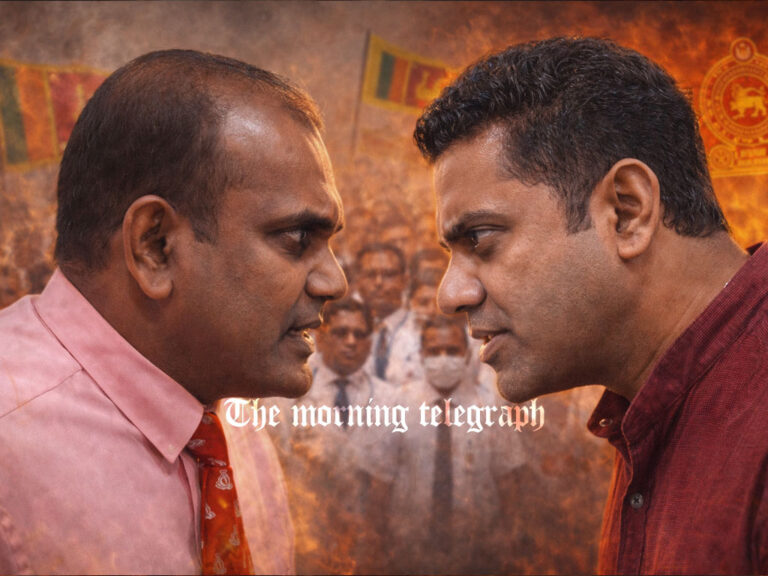
The controversy has drawn extra attention because Deputy Minister of Education Mahinda Jayasinghe previously served as the Secretary of the Lanka Teachers’ Union. This has led to what many are calling a visible split between Jayasinghe and his former colleagues, as the union continues to push back against a reform plan he is now expected to defend.
The Lanka Teachers’ Service Association maintains that its opposition is rooted in research-based evidence and the real needs of Sri Lankan children. The organisation urges the government and the Ministry of Education to adopt their recommendations and avoid implementing a schedule that could burden students, teachers and parents.
The unions remain hopeful that the Ministry will reconsider and respond positively to their proposals as the debate intensifies over the future of school hours in Sri Lanka.